 Pin it
 The smell of caraway always takes me straight back to a cold February evening when I first cooked venison properly. I'd been intimidated by it for years, worried I'd ruin expensive meat, but a butcher convinced me it was no trickier than a good steak. The swede was an afterthought, something I had rolling around in the vegetable drawer, but that mash ended up stealing the show. Now it's my go-to when I want something that feels both rustic and a little bit special.
I made this for friends who claimed they didn't like game meat, and they cleaned their plates without a word. One of them even asked if I'd added something secret to the mash. I hadn't, just butter, cream, and those toasted caraway seeds, but sometimes the simplest things feel like magic. It's become my quiet weapon for converting skeptics.
Ingredients
- Venison steaks: Look for steaks that are deep red and evenly cut, they cook quickly so uniform thickness matters.
- Olive oil: Just enough to help the thyme and seasoning stick, don't drown the meat or it won't sear properly.
- Fresh thyme leaves: Thyme loves venison, the earthy flavor complements the richness without overpowering it.
- Swede: Also called rutabaga, it has a naturally sweet, slightly peppery flavor that mashes beautifully when cooked soft.
- Unsalted butter: Adds creaminess and richness, I always use unsalted so I can control the seasoning myself.
- Double cream: A small amount makes the mash silky, you can use milk if you prefer something lighter.
- Caraway seeds: Toasting them is non-negotiable, it wakes up their warm, slightly anise-like flavor.
- Red wine: Any decent drinking red works, it deglazes the pan and adds depth to the optional sauce.
- Beef or game stock: Choose game stock if you can find it, it amplifies the venison flavor beautifully.
- Redcurrant jelly: A tiny spoonful balances the richness with a hint of tartness, completely optional but lovely.
Tired of Takeout? 🥡
Get 10 meals you can make faster than delivery arrives. Seriously.
One email. No spam. Unsubscribe anytime.
Instructions
- Boil the swede:
- Get your water properly salted and bubbling before you add the diced swede. It'll take a good 20 minutes, and you want it so tender a fork slides through without any resistance.
- Prep the venison:
- Pat the steaks completely dry with kitchen paper, any moisture will stop them from getting a good crust. Rub them with oil, thyme, salt, and pepper, then let them sit out while the swede cooks so they're not fridge-cold when they hit the pan.
- Toast the caraway:
- Use a dry pan over medium heat and shake it gently for a minute or two until the seeds smell nutty and warm. Don't walk away, they can burn in seconds.
- Mash the swede:
- Drain it well, nobody wants watery mash, then return it to the pot with butter, cream, caraway, salt, and pepper. Mash it until mostly smooth but keep a bit of texture, it's meant to be rustic.
- Sear the venison:
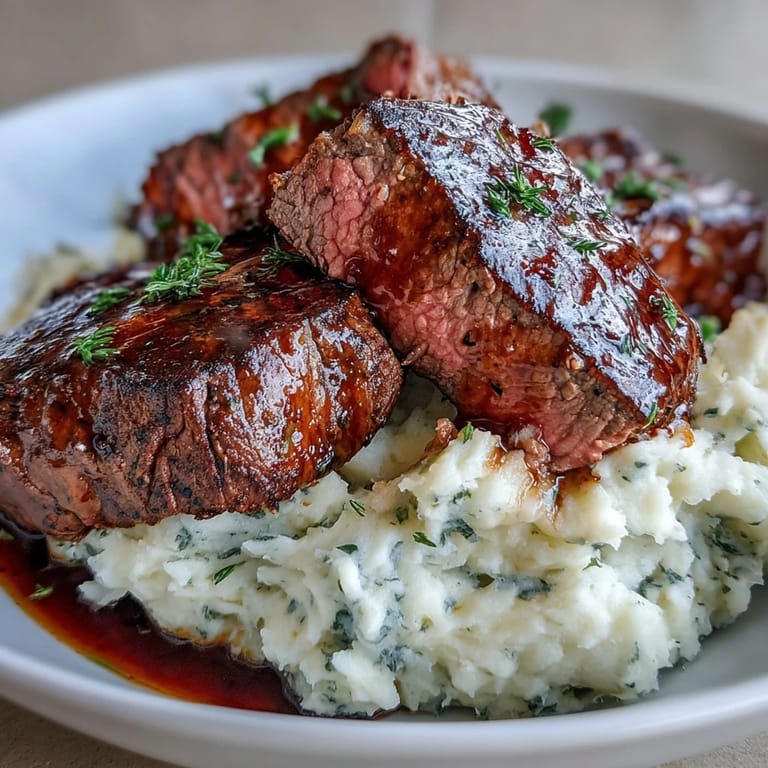
- Your pan needs to be properly hot before the steaks go in, you should hear a sizzle immediately. Two to three minutes per side gives you a beautiful medium-rare, then rest them loosely covered for five minutes so the juices settle.
- Make the sauce:
- Pour the red wine into the hot pan and scrape up all the sticky bits, then add stock and redcurrant jelly. Let it bubble down until it coats the back of a spoon, then whisk in cold butter off the heat for a glossy finish.
- Serve:
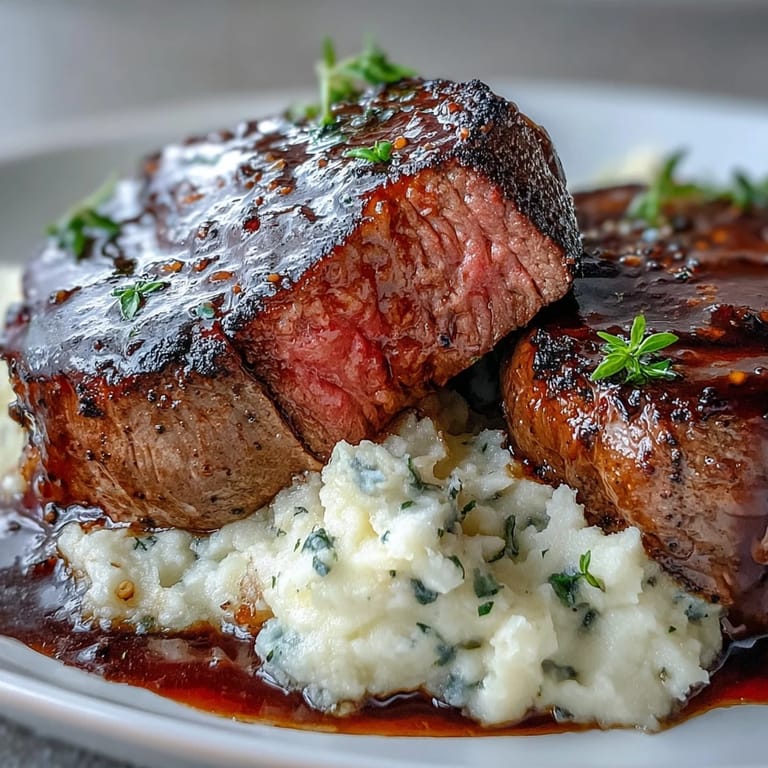
- Spoon the warm mash onto plates, rest the venison on top, and drizzle with sauce if you made it. Simple, elegant, and deeply satisfying.
 Pin it
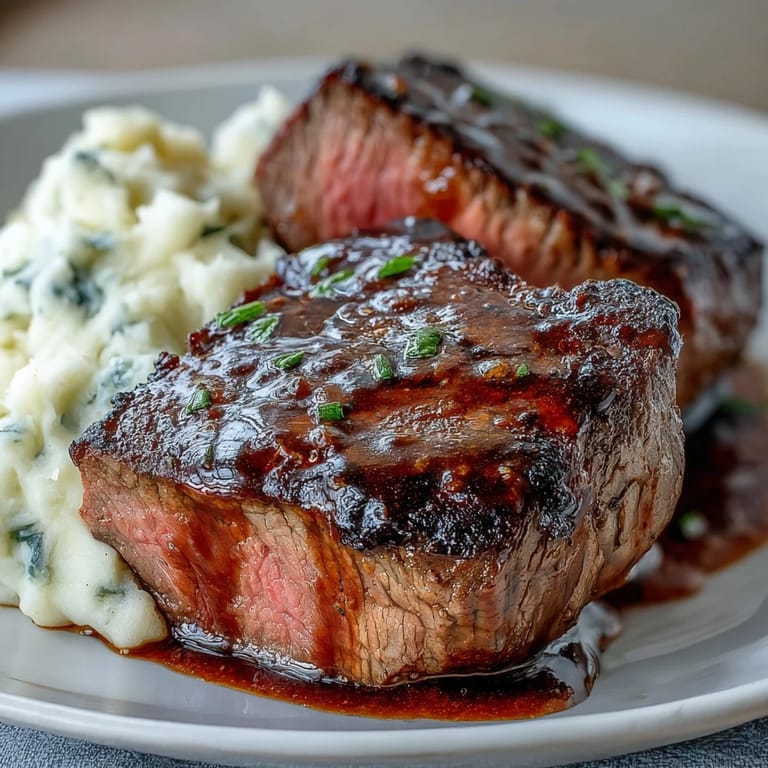
 The first time I plated this up, I remember feeling quietly proud of how restaurant-like it looked. My partner took one bite and said it tasted like something you'd pay too much for in a country pub. That's exactly what I was going for, honest food that feels a bit fancy without any fuss.
Choosing Your Venison
I've learned that not all venison is the same. Farmed venison tends to be milder and more consistent, while wild can vary wildly depending on the season and what the deer's been eating. If you're new to venison, start with farmed steaks from a good butcher who can tell you exactly how to treat them. Don't be shy about asking questions, they'd rather you cook it well than waste it.
Getting the Mash Right
Swede can be watery if you don't drain it thoroughly after boiling. I once skipped this step and ended up with something closer to soup than mash, lesson learned. Press it gently in the colander or even blot it with a clean tea towel before adding the butter and cream. The caraway should be noticeable but not overpowering, if someone asks what that flavor is, you've nailed it.
Serving Suggestions
This pairs beautifully with something green and slightly bitter to cut through the richness. I usually sauté kale or cavolo nero with garlic, or roast Brussels sprouts if I'm feeling nostalgic. Roasted carrots or parsnips add sweetness, and a good crusty bread on the side never hurts if you want to mop up that sauce.
- Try adding a pinch of nutmeg to the swede mash for extra warmth and depth.
- If you can't find venison, thick-cut lamb steaks work surprisingly well with this preparation.
- Leftover mash reheats beautifully and makes an excellent base for a shepherd's pie the next day.
 Pin it
 This dish has become one of those recipes I make when I want to remind myself that good food doesn't need to be complicated. Just a few quality ingredients, a bit of care, and you've got something that feels like a proper occasion.
Recipe FAQs
- → What is the best way to cook venison steaks without drying them out?
Sear venison steaks over high heat for 2-3 minutes per side for medium-rare, then rest for 5 minutes. Venison is very lean, so avoid overcooking. Use a meat thermometer for accuracy: 130-135°F for medium-rare.
- → Can I substitute swede with another vegetable?
Yes, you can use parsnips, celeriac, or a combination of root vegetables. These alternatives offer similar texture and earthy flavors that complement the venison beautifully.
- → How do caraway seeds enhance this dish?
Toasted caraway seeds add a warm, slightly anise-like flavor that pairs wonderfully with both the gamey venison and sweet earthiness of swede. Toasting them first intensifies their aromatic oils.
- → What wine pairs best with venison steaks?
Robust red wines like Syrah, Malbec, or Côtes du Rhône complement venison's rich, gamey flavor. The wine's tannins balance the lean meat while enhancing the savory notes of the dish.
- → Can this dish be made ahead of time?
The crushed swede can be prepared up to 2 days ahead and reheated gently with a splash of cream. However, venison steaks are best cooked fresh to maintain their tender texture and optimal doneness.
- → Is venison healthier than beef?
Venison is significantly leaner than beef, with less fat and fewer calories while providing high-quality protein. It's also rich in iron, B vitamins, and omega-3 fatty acids, making it an excellent choice for health-conscious diners.