 Pin it
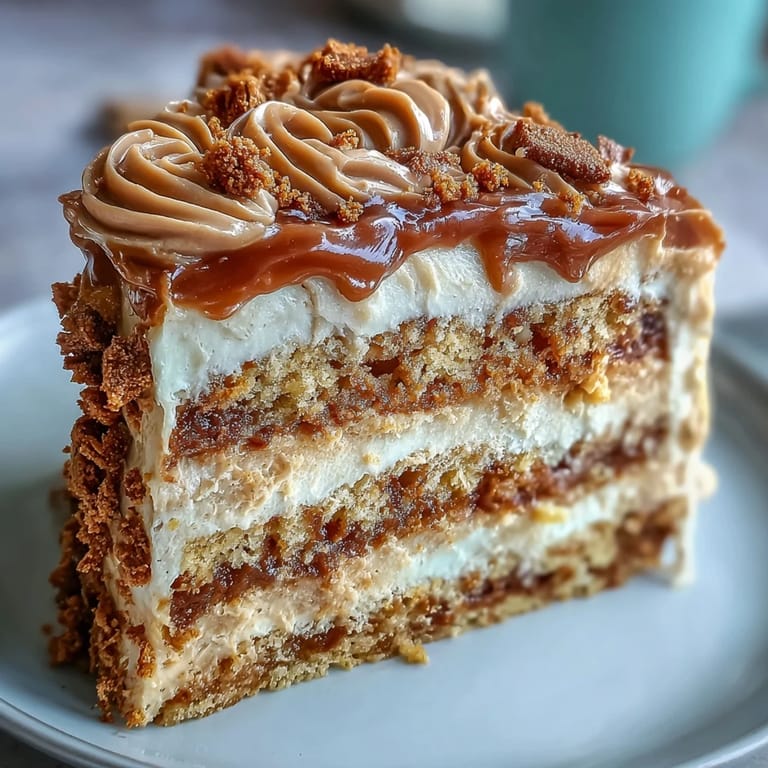
 The smell hit me before I even opened the oven door: warm spice, buttery caramel, and something unmistakably familiar. I had crushed an entire sleeve of Biscoff cookies into the batter on a whim, doubting myself the whole time. But when I pulled that golden cake out and saw the little flecks of cookie suspended in the crumb, I knew I'd stumbled onto something special. It wasn't fancy, just honest and comforting in a way that made me want to bake it again immediately.
I made this cake for a friend's birthday last autumn, and she cried a little when she tasted it. Not because it was perfect, but because Biscoff cookies reminded her of trips to her grandmother's house in Belgium. I hadn't known that when I baked it, but it became a reminder that food carries stories we don't always plan for. She asked for the recipe three times that night, and I finally just texted her a photo of my flour-dusted notebook.
Ingredients
- Biscoff biscuits, crushed: The soul of this cake, providing both texture and that signature caramelized spice; crush them by hand in a zip-top bag if you want some bigger chunks for drama.
- All-purpose flour: The structure that holds everything together without weighing it down; sifting really does make a difference here.
- Baking powder and baking soda: The dynamic duo that gives you a light, airy crumb; they work together, so don't skip either.
- Salt: Just a pinch to balance the sweetness and make all the other flavors sing louder.
- Unsalted butter, softened: Room temperature is non-negotiable; cold butter won't cream properly and warm butter will make the batter greasy.
- Granulated sugar: Creams with the butter to trap air and create that tender, melt-away texture.
- Large eggs: Add them one at a time so the batter doesn't split; they bind everything and add richness.
- Vanilla extract: A warm backdrop that lets the Biscoff flavor shine without competing.
- Whole milk: Adds moisture and richness; low-fat milk works, but the crumb won't be quite as tender.
- Lotus spread (Biscoff spread): Swirled into the batter and whipped into the frosting, it's the secret weapon that makes this cake unforgettable.
- Powdered sugar: The base of the frosting, giving it structure and sweetness without grittiness.
- Heavy cream or milk: Thins the frosting to a pipeable, spreadable consistency; add a little at a time until it feels right.
Tired of Takeout? 🥡
Get 10 meals you can make faster than delivery arrives. Seriously.
One email. No spam. Unsubscribe anytime.
Instructions
- Prep Your Pan:
- Preheat your oven to 180°C (350°F) and grease a 9-inch round pan generously, then dust it with flour or line it with parchment. This step prevents heartbreak later when the cake sticks.
- Combine the Dry Ingredients:
- Sift the flour, baking powder, baking soda, and salt into a large bowl. Sifting feels old-fashioned, but it aerates the flour and prevents lumps.
- Cream Butter and Sugar:
- Beat the softened butter and granulated sugar together until the mixture turns pale and fluffy, about 3 to 5 minutes. This is where the magic starts, trapping tiny air bubbles that will make your cake light.
- Add Eggs and Vanilla:
- Crack in the eggs one at a time, beating well after each addition, then stir in the vanilla extract. If the batter looks a little curdled, don't panic; it will come together when you add the flour.
- Alternate Wet and Dry:
- Add the flour mixture in three parts, alternating with the milk, starting and ending with flour. Mix just until you can't see dry streaks; overmixing develops gluten and makes the cake tough.
- Fold in Biscoff and Spread:
- Gently fold in the crushed Biscoff biscuits and dollops of Lotus spread until evenly distributed. Use a spatula and a light hand so you don't deflate all that air you just whipped in.
- Bake Until Golden:
- Pour the batter into your prepared pan, smooth the top, and bake for 35 to 40 minutes. A toothpick inserted in the center should come out clean or with just a few moist crumbs clinging to it.
- Cool Completely:
- Let the cake rest in the pan for 10 minutes, then turn it out onto a wire rack. Frosting a warm cake is a recipe for a melted mess, so be patient.
- Whip the Frosting:
- Beat the softened butter until smooth, then gradually add powdered sugar on low speed to avoid a sugar cloud. Beat in the Lotus spread, cream, and a pinch of salt, then whip on medium-high for 3 minutes until it's fluffy and spreadable.
- Frost and Decorate:
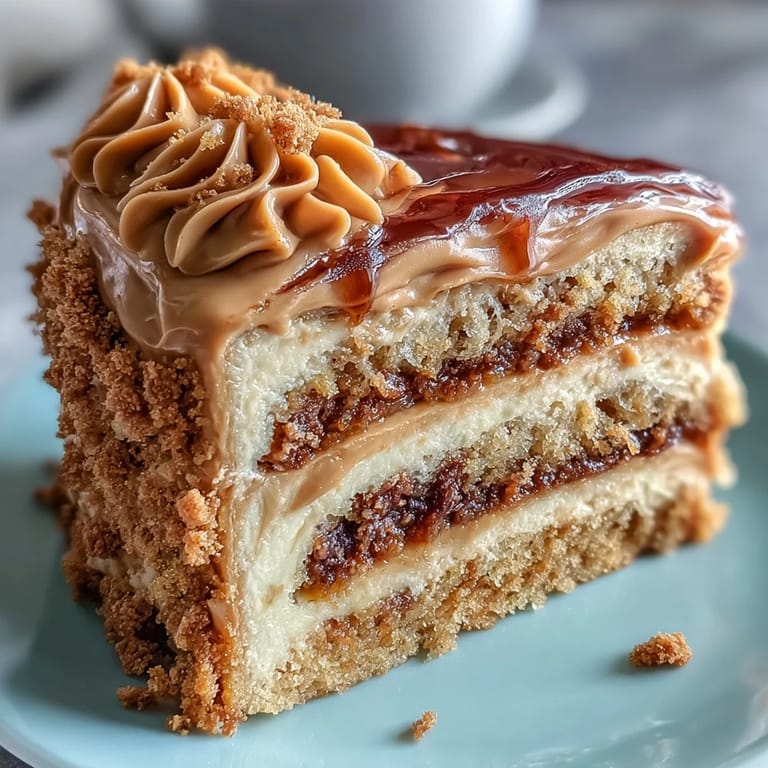
- Once the cake is completely cool, spread or pipe the frosting over the top and sides. Finish with extra crushed Biscoff and a drizzle of Lotus spread if you're feeling generous.
 Pin it
 This cake showed up at a potluck once, and I watched people go back for thirds without saying a word. There's something about the way the spiced cookie crunch plays against that silky frosting that makes conversation unnecessary. One person asked if I'd bought it from a bakery, and I took that as the highest compliment. It's the kind of dessert that makes you feel like a better baker than you probably are.
Storing and Keeping It Fresh
This cake keeps surprisingly well in an airtight container at room temperature for up to three days, though in my experience it rarely lasts that long. The Biscoff pieces soften slightly over time, which some people actually prefer because they meld into the crumb. If your kitchen runs warm, you can refrigerate it, but let it come back to room temperature before serving so the frosting regains its creamy texture. I've never tried freezing it, but I imagine it would hold up well wrapped tightly in plastic and foil for a month or so.
Flavor Variations Worth Trying
Once you've made the classic version, it's hard not to start experimenting. I've folded in dark chocolate chips for a bittersweet contrast, and I've swapped half the Biscoff for gingersnaps when I wanted more spice. A friend of mine added a layer of salted caramel between the cake and frosting, and I'm still thinking about it weeks later. You could also spike the frosting with a tablespoon of espresso powder if you want to lean into the coffee-shop vibe. The base recipe is forgiving enough to handle your curiosity.
Serving Suggestions and Pairings
This cake begs to be served with something hot to drink. I love it with strong black coffee in the morning (yes, cake for breakfast) or a milky chai in the afternoon. It's rich enough to stand alone, but a dollop of lightly sweetened whipped cream cuts through the sweetness beautifully. For special occasions, I've plated it with a scoop of vanilla bean ice cream and a drizzle of warm caramel, which feels a little over the top but never fails to impress.
- A dusting of cinnamon on top of the frosting adds warmth without effort.
- Fresh berries on the side provide a tart contrast that balances the caramel richness.
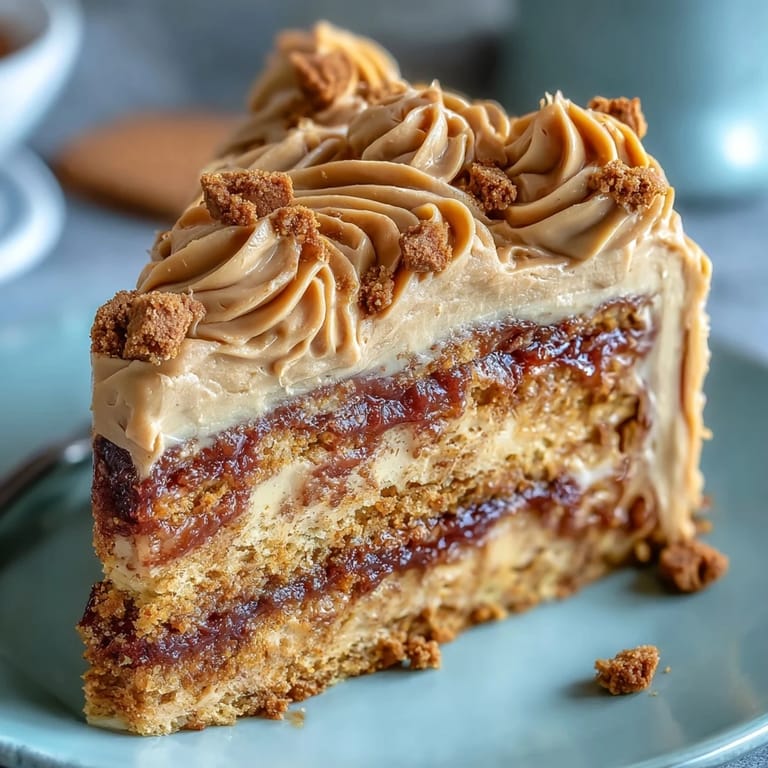
- If you're piping the frosting, use a star tip for texture that catches the light and makes it look bakery-perfect.
 Pin it
 Every time I make this cake, I'm reminded that the best recipes aren't always the ones that require fancy techniques or hard-to-find ingredients. Sometimes it's just about knowing which flavors belong together and having the courage to fold a whole bag of cookies into the batter. I hope this one finds a place in your kitchen the way it has in mine.
Recipe FAQs
- → What makes Biscoff cake special?
The combination of crunchy Biscoff biscuits folded into a tender vanilla sponge, paired with the distinctive caramelized spiced flavor of Lotus spread frosting, creates unique texture and depth that sets this dessert apart from standard vanilla cakes.
- → Can I make the frosting ahead of time?
Yes, the Lotus frosting can be prepared up to 2 days in advance and stored in an airtight container in the refrigerator. Bring to room temperature and re-whip briefly before frosting the cooled cake for optimal spreadability.
- → What can I use instead of Lotus spread?
While Lotus Biscoff spread provides the authentic spiced caramel flavor, you can substitute with other cookie butters like speculoos spread. For a different flavor profile, try peanut butter or chocolate hazelnut spread, though the taste will vary significantly.
- → Why did my cake sink in the middle?
Cake sinking typically occurs from underbaking, opening the oven door too early, or overmixing the batter. Ensure your oven is properly calibrated, bake until a toothpick comes out clean, and mix dry ingredients just until incorporated to maintain proper structure.
- → How should I store the finished cake?
Store frosted cake in an airtight container at room temperature for up to 3 days. For longer storage, refrigerate for up to a week, though bring to room temperature before serving for the best texture and flavor. The cake also freezes well unfrosted for up to 3 months.
- → Can I make this cake gluten-free?
Yes, substitute the all-purpose flour with a 1:1 gluten-free flour blend containing xanthan gum. Use gluten-free Biscoff-style biscuits, as traditional Biscoff biscuits contain wheat. The texture may be slightly denser but equally delicious.