 Pin it
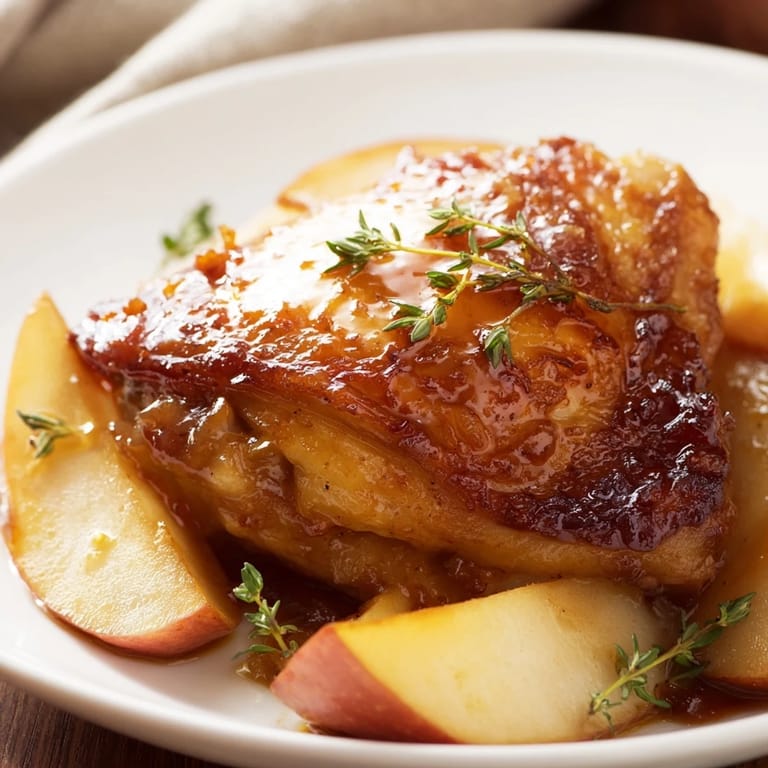
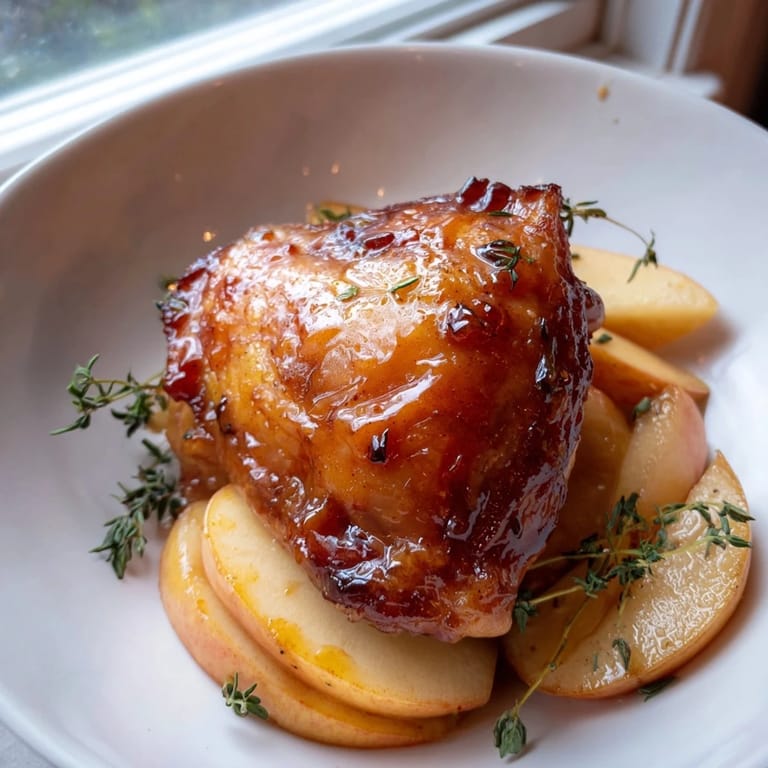
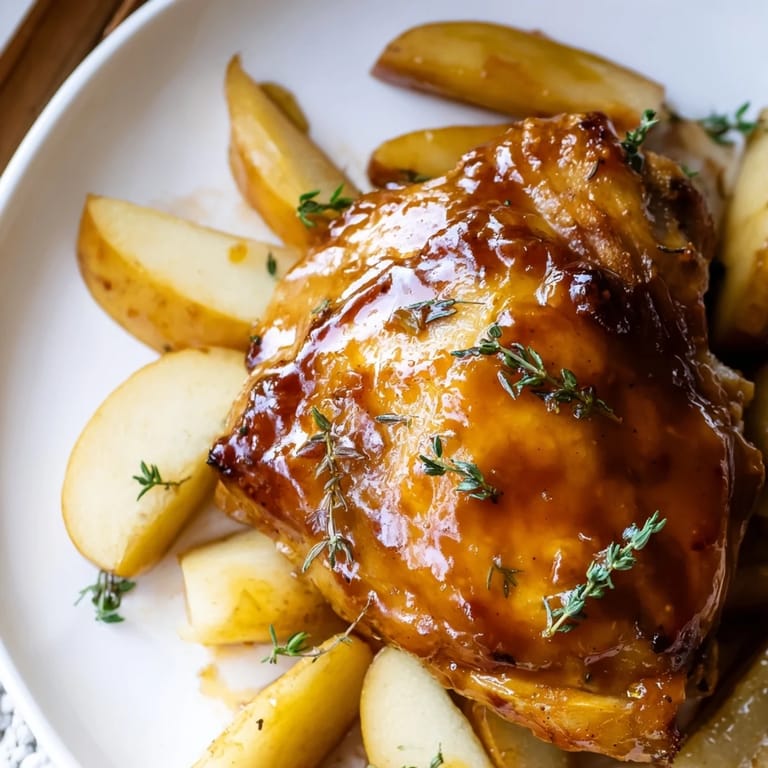
 There's something about the smell of maple syrup hitting a hot pan that makes you pause mid-conversation and just breathe it in. My grandmother used to make this chicken on crisp autumn afternoons, filling the kitchen with this sticky-sweet aroma that somehow made everyone drift toward the dining table without being asked. She never wrote down the recipe, just kept adjusting the glaze until the chicken turned this deep golden amber color and the apples softened into little caramelized pockets of sweetness. The first time I tried to recreate it, I followed what I thought I remembered, but it wasn't until I added that apple cider vinegar—the tangy note that cuts through the richness—that it clicked into place.
I made this for my partner on our first fall together, nervous about the whole thing because cooking for someone new feels like you're showing them something true about yourself. Halfway through baking, I stood there staring through the oven window like a worried parent, watching those apples start to caramelize and the glaze bubble around the edges. When we finally sat down to eat, they closed their eyes after the first bite in a way that made the whole nervous part disappear.
Ingredients
- Bone-in, skin-on chicken thighs (8 pieces, about 1.2 kg): Dark meat stays tender even with aggressive glazing, and that skin is where all the magic happens—it traps the glaze and gets crispy at the edges.
- Pure maple syrup (1/3 cup): Use the real stuff; the fake version tastes thin and one-note, and it's what you're building the whole dish around.
- Apple cider or unsweetened apple juice (1/3 cup): This keeps the glaze from being cloyingly sweet and adds a fruity complexity that feels more grown-up.
- Apple cider vinegar (2 tbsp): The secret weapon that makes your taste buds sit up and pay attention; don't skip it or the dish loses its backbone.
- Dijon mustard (2 tbsp): Trust this even though it seems strange; it adds sharpness and helps the glaze cling to the chicken.
- Olive oil (2 tbsp): Helps the glaze emulsify and keeps the chicken from drying out.
- Garlic, minced (2 cloves): Fresh garlic melts into the glaze and becomes this savory thread running through all the sweetness.
- Fresh thyme (1 tsp, or 1/2 tsp dried): Thyme has this earthy, slightly minty quality that makes the whole thing feel like autumn in a bite.
- Smoked paprika (1/2 tsp): Adds a whisper of smoke and color without overpowering anything.
- Salt and pepper (1/2 tsp and 1/4 tsp): Season generously because everything else needs salt to shine.
- Medium apples, sliced into wedges (2 apples): Honeycrisp or Gala work best because they hold their shape instead of turning to mush; nestle them around the chicken so they catch the glaze.
- Fresh thyme sprigs (optional garnish): Just a few scattered on top right before serving remind everyone what they're eating.
Tired of Takeout? 🥡
Get 10 meals you can make faster than delivery arrives. Seriously.
One email. No spam. Unsubscribe anytime.
Instructions
- Set your stage:
- Preheat your oven to 400°F while you line a large baking dish with parchment paper or give it a light coating of oil. This step matters because a hot oven means the chicken skin starts crisping immediately instead of steaming.
- Dry your chicken:
- Pat those thighs dry with paper towels and season both sides with a little salt and pepper. Dry skin is the secret to skin that actually crisps up instead of staying pale and rubbery.
- Build the glaze:
- Whisk together the maple syrup, apple cider, apple cider vinegar, Dijon mustard, olive oil, minced garlic, thyme, smoked paprika, salt, and pepper in a medium bowl until everything looks combined. The glaze should smell complex and a little bit tangy, not just sweet.
- Arrange and nestle:
- Place the chicken thighs skin-side up in your prepared dish and tuck the apple wedges around them like you're tucking them in for a nap. This way the apples cook gently in the heat and glaze without crowding the chicken.
- Coat everything:
- Pour the glaze evenly over the chicken and apples, using tongs to turn the chicken once so both sides get coated. Don't worry if it looks like too much liquid; most of it will reduce and concentrate into that sticky coating you're after.
- Bake with attention:
- Slide everything into the oven and bake for 30 to 35 minutes, basting the chicken once or twice halfway through with the pan juices. This basting step is where the glaze really clings and builds flavor, so don't skip it even though it means opening the oven door.
- Go golden (optional but worth it):
- If you want extra caramelization and that restaurant-level finish, switch to the broiler for 2 to 3 minutes at the very end, but watch it like a hawk because sugar burns fast. The glaze should bubble and deepen to this glossy amber color.
- Rest and serve:
- Let the chicken rest for 5 minutes before plating so the juices settle back into the meat instead of running all over the plate. A few fresh thyme sprigs scattered on top finish it like you meant to do this all along.
 Pin it
 There was this moment at a dinner party when someone said, 'I didn't know chicken could taste like this,' and everyone went quiet for a second before diving back in. That's when I realized this recipe isn't just about technique or ingredients; it's about that sweet-savory-tangy combination that makes people stop thinking about their phones and just eat.
Why This Combination Works
Maple syrup on its own would be too much, too one-note, but when you add apple cider and vinegar, you create this dynamic trio where each element pulls in a different direction. The mustard keeps everything from being saccharine, the garlic and thyme ground you in reality, and the smoked paprika whispers in the background. It's the cooking equivalent of finding a song where every instrument is doing something different but everything fits.
Adapting to What You Have
If you can't find apple cider, unsweetened apple juice works just fine, though the flavor will be slightly brighter and less complex. Fresh thyme is worth seeking out, but dried thyme won't ruin anything if that's what you've got in the cupboard. The apples matter more than the exact variety, so choose whatever looks good at the market and tastes crisp and slightly tart.
What Happens After Dinner
The leftovers are somehow even better the next day, when the flavors have had time to mingle and the glaze has firmed up into this almost jelly-like coating. I've shredded cold chicken and made it into sandwiches, added it to salads, or just eaten it straight from the container like nobody was watching. If you have leftover glaze, save it in a jar because it's excellent on roasted root vegetables or spooned over vanilla ice cream if you're feeling adventurous.
- Store leftovers in an airtight container in the fridge for up to three days, and reheat gently in a 300-degree oven so the glaze doesn't break.
- This pairs beautifully with mashed potatoes, roasted Brussels sprouts, or a simple green salad to cut through the richness.
- Crisp apple cider or a dry Riesling are your best friends at the table, something with enough acidity to echo the vinegar in the glaze.
 Pin it
 There's a reason this dish has followed me through seasons and moves and different chapters of life. It's simple enough to make on a Tuesday but feels special enough to serve when it matters.
Recipe FAQs
- → What type of chicken works best for this dish?
Bone-in, skin-on chicken thighs deliver the best flavor and juiciness, but boneless, skinless thighs can be used with shorter cooking time.
- → Can I substitute the maple syrup in the glaze?
Pure maple syrup is key for the authentic sweetness and depth, but honey or agave nectar can serve as alternatives in a pinch.
- → How do the apples affect the flavor?
Apple wedges roasted alongside the chicken bring a fresh, naturally sweet contrast that complements the rich glaze beautifully.
- → What cooking method ensures the glaze sticks well?
Baking the chicken skin-side up and basting once or twice during cooking helps the sticky glaze caramelize and cling perfectly.
- → How can I add a smoky flavor?
Adding a pinch of chipotle powder to the glaze introduces subtle smoky heat, enhancing the overall depth of the dish.
- → What sides pair well with this chicken?
Roasted vegetables, mashed potatoes, or rice complement the sweet and savory flavors nicely, creating a balanced meal.