 Pin it
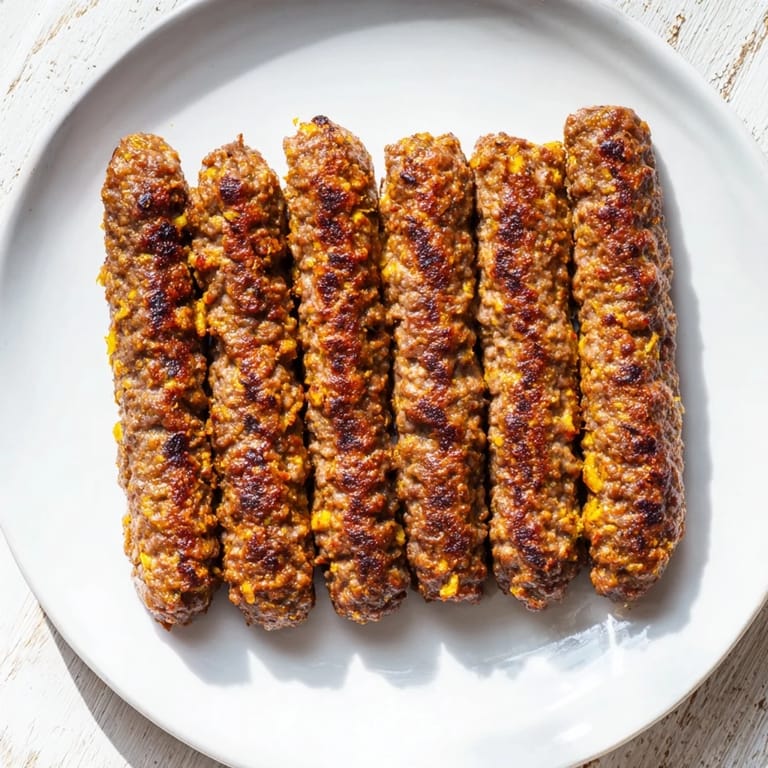
 My first encounter with mici happened on a sweltering July afternoon at a small grilling station near the Danube, where an older man with flour-dusted hands was turning golden-brown cylinders over hot coals with the precision of someone who'd been doing this for decades. The smell hit me first—paprika, cumin, and charred meat mingling with the smoky air—and I knew I had to learn how to make them at home. What started as a simple craving became an obsession with getting that perfect crispy-outside, juicy-inside texture, and after many trials and a few burnt batches, I finally cracked the code. These Romanian mici are now a fixture on our grill whenever we want something that tastes like summer and feels utterly effortless.
I'll never forget the first dinner party where I served these—my grandmother took one bite and her eyes widened in that way that meant I'd gotten something authentically right. She spent the next hour telling stories about street vendors in Bucharest while we all sat around the table grilling batch after batch, laughing at my younger brother's competitive eating and planning what we'd serve alongside them next time.
Ingredients
- Ground beef (500g, 80/20 ratio): The backbone of these sausages—the fat content keeps them impossibly moist while the lean ensures they're not greasy, and seeking out a butcher counter where you can request this exact ratio makes a noticeable difference.
- Ground pork (300g): Adds tenderness and a subtle sweetness that rounds out the deeper beef flavors without overpowering them.
- Ground lamb (200g, optional but traditional): If you can find it, the lamb elevates the entire dish with a gamey richness that's distinctly Romanian—skip it only if your budget demands it.
- Garlic (5 cloves, finely minced): Five cloves might seem bold, but raw garlic mellows beautifully during the two-hour rest and grilling process, becoming almost sweet.
- Smoked paprika (1½ tsp): Use Hungarian or Spanish smoked paprika for authentic depth; the smoke compounds with the char from grilling and transforms the entire flavor profile.
- Black pepper (1½ tsp, ground): Freshly ground pepper, never pre-ground, makes this noticeable—it provides subtle heat and complexity rather than just sharpness.
- Ground coriander (1½ tsp): The secret weapon that nobody expects; coriander adds a warm, almost citrusy note that makes people wonder what they're tasting.
- Ground cumin (1½ tsp): Works alongside coriander to create a spice harmony that tastes Middle Eastern and Romanian simultaneously.
- Dried thyme (1 tsp): A quieter herb that keeps everything grounded and prevents the spice blend from feeling too aggressive.
- Baking soda (1 tsp): This is the magic ingredient that most recipes leave out—it keeps the mici impossibly tender and slightly aerated, preventing them from becoming dense or rubbery.
- Salt (2 tsp): Distribute it evenly during mixing; uneven salt creates odd pocket flavors and can ruin individual mici.
- Cold beef stock or sparkling water (200 ml): Cold liquid is crucial because it prevents the meat from warming and losing its juiciness during mixing; sparkling water adds extra lightness if you prefer a less savory note.
- Vegetable oil (1 tbsp): For shaping and grilling, though truly optional if your grill grates are well-seasoned.
Tired of Takeout? 🥡
Get 10 meals you can make faster than delivery arrives. Seriously.
One email. No spam. Unsubscribe anytime.
Instructions
- Combine the meats:
- In a large bowl, mix ground beef, pork, and lamb with your hands until the three meats are evenly distributed and there are no distinct patches of any single meat. This usually takes two to three minutes of gentle combining.
- Add the spice blend:
- Sprinkle the garlic, paprika, pepper, coriander, cumin, thyme, baking soda, and salt over the meat mixture. Use your hands to massage everything together until the seasonings disappear completely into the meat and the mixture takes on a slightly deeper, uniform color.
- Introduce the liquid slowly:
- Pour the cold beef stock (or sparkling water) over the mixture while kneading continuously for about five minutes, as if making bread dough. You'll feel the mixture transform from crumbly to sticky and cohesive; this kneading activates the proteins and creates the tender texture you're after.
- Rest for depth of flavor:
- Cover the bowl with plastic wrap and refrigerate for at least two hours, though overnight is ideal. This resting period allows the spices to fully penetrate the meat and the flavors to marry into something greater than the sum of their parts.
- Shape with intention:
- Remove the meat from the refrigerator and wet your hands lightly with cold water (or oil them if you prefer). Working with about two tablespoons of mixture at a time, roll each portion between your palms into a cylinder roughly eight to ten centimeters long and two centimeters thick, like thick cigars. The cold, sticky texture might feel unusual, but that's exactly right.
- Heat the grill properly:
- Preheat your grill or grill pan to medium-high heat and lightly oil the grates or cooking surface to prevent sticking. You should hear a gentle sizzle when you flick water onto the surface—not an aggressive roar, but a purposeful response.
- Grill until golden and cooked through:
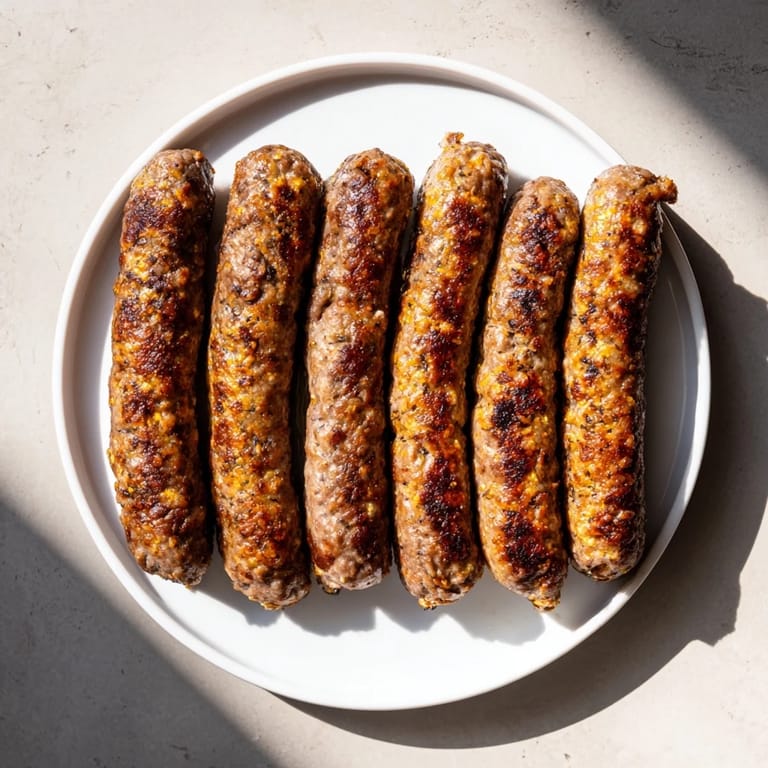
- Place the mici on the grill and resist the urge to move them for the first three to four minutes; this creates the caramelized crust everyone craves. Turn them once, grill for another three to four minutes, and they're done when golden-brown all over and cooked through (no pink inside when you cut into one).
- Rest briefly before serving:
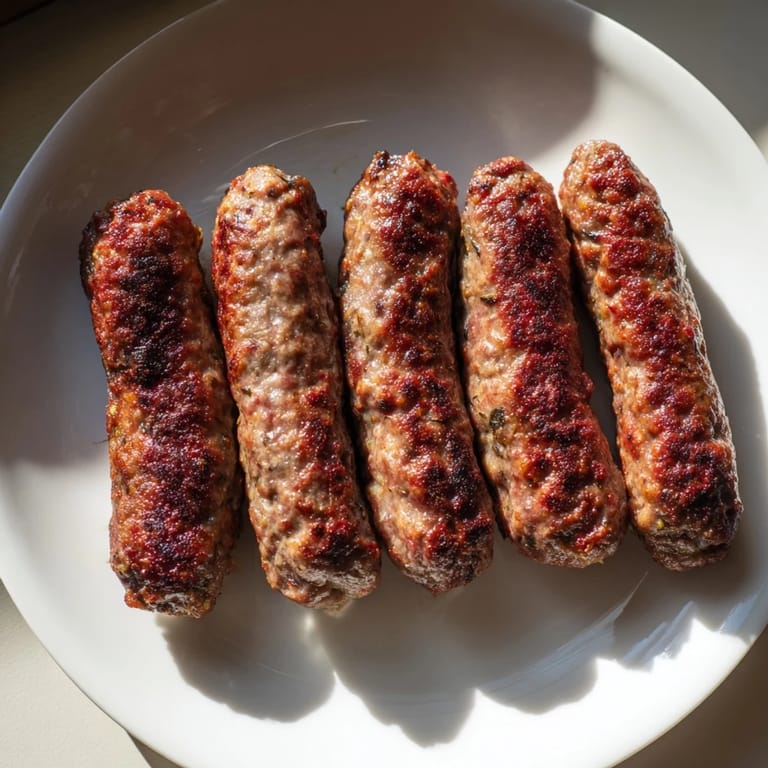
- Remove the mici to a warm plate and let them sit for just two minutes; this allows the juices to redistribute and prevents them from splitting when you bite in.
 Pin it
 The moment that truly shifted how I saw these mici came during a rainy evening when my neighbor knocked on the door, drawn by the smell from our grill. We ended up cooking for three hours straight, grilling batch after batch, and by the end of the night, she'd already planned her own version and we were discussing regional variations like old friends comparing family recipes.
The Spice Story Behind Mici
What makes mici distinctly Romanian is the spice combination—it's neither purely Mediterranean nor Middle Eastern, but something that existed at the crossroads of empires. The paprika, coriander, and cumin create a warm, slightly sweet undertone that feels comforting rather than aggressive, and the baking soda keeps everything tender enough that the spices can distribute evenly throughout instead of creating sharp pockets. I spent weeks testing ratios before I realized that these proportions aren't arbitrary—they're calibrated to work together in a way that feels almost musical.
Grilling Mastery and Temperature Control
The grill is where most people go wrong with mici, either by cooking them too hot and charring the outside before the inside finishes, or too cool and creating a greasy, pale sausage that disappoints. Medium-high heat is the sweet spot—hot enough to create that crispy crust within three to four minutes but not so aggressive that the exterior blackens while the interior stays raw. I used to rely on a meat thermometer, but I've since learned to trust the visual cues: a deep golden-brown with light char marks in a few spots signals perfection.
Serving and Pairing Traditions
These mici taste transcendent with nothing but mustard and fresh bread, the kind of meal that doesn't need complexity because it's already complete. A cold lager cuts through the richness beautifully, but a dry Romanian white wine like Fetească Albă works just as well if that's what you have on hand. What I've learned over many serving occasions is that the best companions for mici are the people gathered around the table—this is food meant for sharing, for long conversations, for the kind of eating that happens slowly rather than in a rush.
- Serve immediately while the outside is still crispy and the inside warm, as they toughen slightly as they cool.
- A squeeze of fresh lemon brightens the richness and feels unexpectedly right, even though it's not traditional.
- Leftover mici make incredible cold sandwiches the next day, and I've been known to eat them straight from the refrigerator like forbidden snacks.
 Pin it
 Making mici has taught me that some of the world's greatest dishes are deceptively simple—no strange ingredients, no advanced techniques, just good meat, honest spices, and the time to let everything become friends. Once you nail this recipe, you'll find yourself grilling them for every gathering, every casual dinner, every moment that calls for something that tastes like generosity.
Recipe FAQs
- → What meats are used for traditional mici?
A blend of ground beef, pork, and optionally lamb, combining lean and fat ratios for juiciness.
- → How do you achieve the characteristic flavor of mici?
By mixing garlic, smoked paprika, black pepper, coriander, cumin, thyme, and salt into the ground meats.
- → Can I substitute beef stock with something else?
Sparkling water can replace beef stock to add extra juiciness without altering the flavor profile.
- → What grilling technique ensures the best texture?
Grill over medium-high heat, turning every few minutes to brown evenly and achieve a crisp exterior with a tender inside.
- → Are there any allergen concerns with mici?
They contain no major allergens but always verify spices and stock for hidden gluten or additives when serving gluten-free.