 Pin it
 The smell hit me before I even opened the oven door. That warm, spiced sweetness curling through the kitchen always made Saturday mornings feel complete. I used to think cinnamon rolls were reserved for bakeries or those tiny mall kiosks, but once I realized how forgiving yeast dough could be, everything changed. Now these pillowy spirals show up for birthdays, lazy Sundays, and any morning that needs a little more warmth.
I made my first batch for a friend who was moving across the country. We sat on her empty living room floor, pulling apart warm rolls and laughing about all the terrible pancakes we'd burned over the years. She said these tasted like a hug, and I haven't stopped making them since. They have this way of turning ordinary mornings into something you want to remember.
Ingredients
- All-purpose flour: The backbone of the dough, though bread flour will give you even more chew and structure if you have it on hand.
- Active dry yeast: This is what makes the rolls rise into those airy layers, just make sure your milk is warm but not hot or it will kill the yeast.
- Warm milk: Around 110 degrees Fahrenheit feels like a warm bath on your wrist, that is the sweet spot for activating yeast.
- Granulated sugar: Feeds the yeast and adds a hint of sweetness to the dough itself.
- Unsalted butter, melted: Keeps the dough tender and rich without making it greasy.
- Eggs: Room temperature eggs blend more easily and help create that soft, pillowy texture.
- Salt: Balances the sweetness and strengthens the gluten for a better rise.
- Light brown sugar: The molasses in brown sugar gives the filling a deeper, caramel-like flavor.
- Ground cinnamon: The star of the show, warm and fragrant, coating every spiral.
- Soft butter for filling: Spread it when it is almost like frosting so it does not tear the dough.
- Cream cheese: Softened cream cheese makes the glaze tangy and luxurious, cutting through all that sweetness.
- Powdered sugar: Sifting it prevents lumps and makes the glaze silky smooth.
- Vanilla extract: A little vanilla rounds out the glaze and makes everything taste more homemade.
- Milk for glaze: Add it a tablespoon at a time until the glaze is thick but pourable.
Tired of Takeout? 🥡
Get 10 meals you can make faster than delivery arrives. Seriously.
One email. No spam. Unsubscribe anytime.
Instructions
- Wake up the yeast:
- Dissolve the yeast in warm milk with a tablespoon of sugar and let it sit until it gets frothy and smells faintly boozy, about five to seven minutes. If nothing happens, your yeast might be old or your milk was too hot, start over with fresh yeast and check your temperature.
- Build the dough:
- Stir in the remaining sugar, melted butter, eggs, and salt until everything is mixed together. Gradually add the flour, stirring until a soft, slightly sticky dough forms that pulls away from the sides of the bowl.
- Knead until smooth:
- Turn the dough onto a floured surface and knead for six to eight minutes, adding just enough flour to keep it from sticking. You will know it is ready when it feels smooth, elastic, and springs back when you poke it.
- Let it rise:
- Place the dough in a greased bowl, cover it with a damp towel, and let it rise in a warm spot until it doubles in size, about an hour. I like to turn on the oven for a minute, then turn it off and let the dough rise in there.
- Roll it out:
- Punch down the dough to release the air, then roll it into a rectangle about sixteen by twelve inches. It does not have to be perfect, just try to keep the thickness even so the rolls bake uniformly.
- Spread the filling:
- Smear the soft butter all over the dough, leaving a small border at the edges. Mix the brown sugar and cinnamon together, then sprinkle it evenly over the butter, pressing it in lightly so it sticks.
- Roll and slice:
- Starting from one long edge, roll the dough up tightly like a sleeping bag, pinching the seam to seal. Use a sharp knife or unflavored dental floss to cut it into twelve equal rolls, floss works great because it does not squish the dough.
- Second rise:
- Arrange the rolls in a greased baking dish, cover them, and let them rise again until they are puffy and nearly doubled, about thirty-five to forty-five minutes. They should be touching each other, which keeps them soft on the sides.
- Bake until golden:
- Preheat your oven to 350 degrees Fahrenheit and bake the rolls for twenty-two to twenty-five minutes, until the tops are golden brown and the centers are cooked through. If they are browning too fast, tent them with foil.
- Make the glaze:
- While the rolls bake, beat together the cream cheese, butter, powdered sugar, vanilla, and enough milk to make a thick but spreadable glaze. Taste it and adjust the sweetness if you like.
- Glaze while warm:
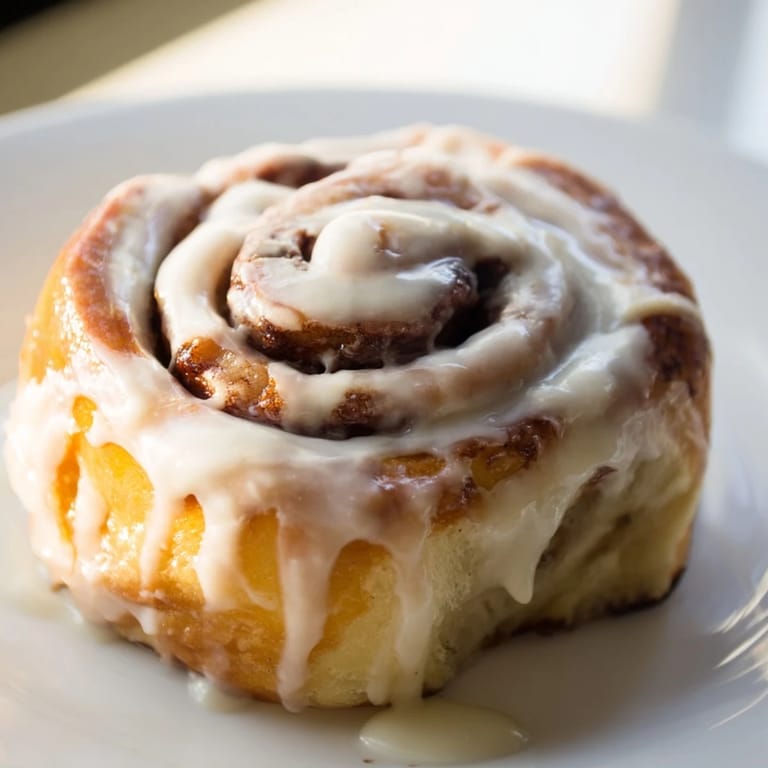
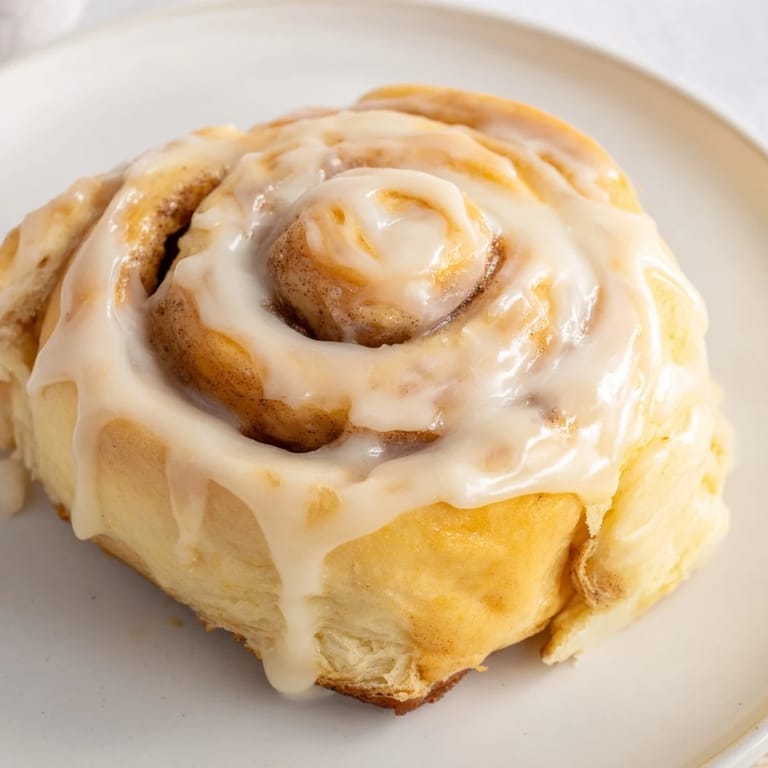
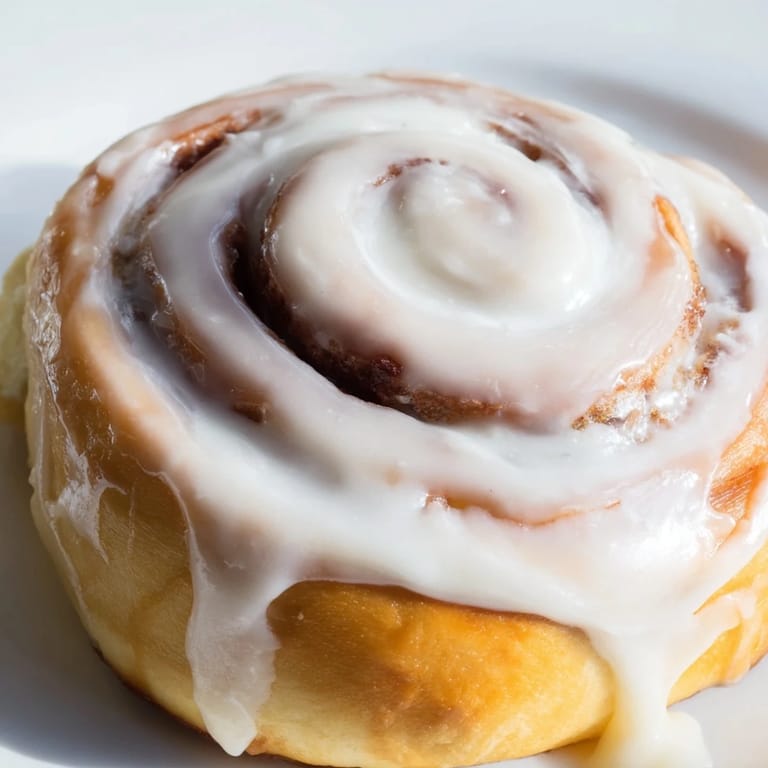
- Let the rolls cool for about ten minutes, just long enough so they do not fall apart when you spread the glaze. Slather the glaze over the warm rolls so it melts into all the cracks and crevices, then serve immediately.
 Pin it
 There was a Sunday morning when my niece asked if we could make these together. She kept sneaking bites of the cinnamon sugar mixture and giggling every time I pretended not to notice. When we finally pulled them out of the oven, she said they looked like little clouds. I realized then that these rolls are not just about the recipe, they are about the people you share them with and the small, sweet moments that happen in between.
Making Them Ahead
If you want fresh rolls without the morning chaos, assemble them the night before and refrigerate them right after you cut and arrange them in the pan. The cold slows down the rise, so in the morning, just pull them out, let them come to room temperature for about an hour, and bake as usual. I have done this for holiday mornings and it feels like magic to serve warm cinnamon rolls without waking up at dawn.
Flavor Variations
Once you have the base down, you can play with the filling in all kinds of ways. I have stirred in chopped pecans for crunch, folded in raisins for little bursts of sweetness, and even swapped the cinnamon for cardamom when I wanted something a bit more exotic. A drizzle of maple syrup in the glaze instead of some of the milk is another favorite trick that makes the whole thing taste like autumn.
Storage and Reheating
These rolls are best the day they are made, but leftovers will keep in an airtight container at room temperature for up to two days. If you want to reheat them, wrap individual rolls in a damp paper towel and microwave for fifteen to twenty seconds, or warm the whole pan covered with foil in a low oven. You can also freeze baked rolls for up to a month, just thaw and warm them gently before serving.
- Let the rolls cool completely before wrapping them for storage so condensation does not make them soggy.
- If you are freezing them, skip the glaze and add it fresh after reheating for the best texture.
- Day-old rolls make incredible bread pudding if you are looking for a way to use up any extras.
 Pin it
 Every time I pull a pan of these from the oven, I am reminded that the best recipes are the ones that make people slow down and savor the moment. These rolls are worth the wait, the mess, and every sticky finger along the way.
Recipe FAQs
- → How do I ensure my cinnamon rolls are extra soft and fluffy?
Use bread flour instead of all-purpose flour for added softness. Ensure your dough rises fully—it should double in size during both the first rise (about 1 hour) and the second rise in the baking dish (35-45 minutes). Don't skip these steps as proper fermentation develops gluten structure and creates tender crumb.
- → Can I prepare these rolls ahead of time?
Yes! After shaping, cover the rolls and refrigerate overnight. The next day, let them come to room temperature and rise for about 1 hour before baking. This slow fermentation actually enhances flavor development and makes the rolls even more tender.
- → What's the best way to slice the rolls without damaging them?
Use a sharp knife dipped in hot water and wipe between cuts, or use unflavored dental floss for a clean slice. Mark your roll into 12 equal sections with a gentle scoring motion before cutting completely through.
- → How should I store leftover cinnamon rolls?
Keep covered rolls at room temperature for up to 2 days, or refrigerate for up to 5 days. Reheat gently in a 300°F oven for 10-15 minutes. You can also freeze unbaked rolls for up to 3 months—thaw and let rise before baking.
- → Can I add mix-ins to the filling?
Absolutely! Chopped pecans, walnuts, or raisins work beautifully in the filling. Sprinkle them evenly after spreading the butter and before adding the cinnamon-sugar mixture. Use about 1/2 to 3/4 cup of your preferred mix-ins.
- → Why is my dough too sticky or too dry?
Dough consistency depends on flour hydration and humidity. If too sticky, add flour 1 tablespoon at a time. If too dry, add milk in small amounts. The dough should be soft and slightly tacky but not stick to your hands constantly.