 Pin it
 The first time I encountered lutefisk, I was skeptical about a dish that required five days of soaking and filled my kitchen with an unmistakable aroma. My Norwegian neighbor appeared at my door with a knowing smile, a container of dried fish, and a promise that this ancient preparation method transformed something austere into something genuinely comforting. What struck me most wasn't the tradition behind it, but how the long soaking actually gentled the fish into something tender and mild. Now, when December arrives, I find myself reaching for that same process, understanding at last why families have made this dish through generations.
I remember plating this for my partner on a cold December evening, watching their expression shift from uncertainty to genuine enjoyment as they tasted it. The combination of the flaky white fish, the bright mustard sauce, and the crisp bread felt like tasting history made practical and delicious. That meal became an annual tradition in our kitchen, proof that patience and unfamiliar ingredients can yield something unexpectedly wonderful.
Ingredients
- Dried cod (1 kg): This is the foundation, and quality matters—look for thick pieces with a pale golden color, as they'll rehydrate more evenly and yield better texture.
- Cold water for soaking: Change it daily without fail; this isn't just tradition, it genuinely removes the harshness and leaves you with mild, sweet fish.
- Coarse salt (1 tbsp): Use proper coarse salt here, not fine table salt, as it draws out moisture more gently during the final seasoning step.
- Unsalted butter (2 tbsp): Butter builds the base of your sauce, so don't skip it or substitute with oil—the flavor difference is real.
- All-purpose flour (2 tbsp): This thickens the sauce to the perfect consistency; gluten-free flour works equally well if needed.
- Whole milk (300 ml): Full-fat milk makes the sauce velvety; lower-fat versions will feel thin and less luxurious.
- Dijon mustard (2 tbsp) and whole-grain mustard (1 tbsp): The combination of both creates depth—smooth Dijon for sophistication, whole-grain for texture and slight tang.
- Sugar (1 tsp): A small amount balances the mustard's sharpness and keeps the sauce from tasting one-dimensional.
- Salt and white pepper: White pepper blends invisibly into the sauce, keeping it elegant and pale gold.
- Boiled potatoes, crispbread, and parsley: These aren't afterthoughts; they're part of the experience, offering texture contrast and fresh herbaceous notes.
Tired of Takeout? 🥡
Get 10 meals you can make faster than delivery arrives. Seriously.
One email. No spam. Unsubscribe anytime.
Instructions
- Rinse and begin the long soak:
- Rinse the dried cod under cold water to remove any surface dust, then place it in a large container with plenty of cold water. This begins the transformation—you're coaxing the fish back to life, and daily water changes (without exception) are what remove the intense fishiness that scares people away from this dish.
- Change water and watch the clock:
- For five to six days, drain and refresh the water in your refrigerator. The fish will visibly soften and pale, becoming almost translucent at the edges—this is exactly what you want, and it's how you know it's ready.
- Salt draw and final prep:
- Drain the soaked fish, sprinkle it generously with coarse salt, and let it sit for thirty minutes. Rinse away all salt and pat the fish completely dry; this step firms up the texture slightly and ensures crispy edges in the oven.
- Gentle baking:
- Preheat your oven to 200°C, arrange fish in a foil-covered baking dish, and bake for twenty-five to thirty minutes until the flesh is opaque and separates easily with a fork. You're not trying to brown it or develop a crust—you want it pale, delicate, and flaking.
- Build the mustard sauce:
- Melt butter over medium heat, whisk in flour for one minute to cook out any raw taste, then gradually pour in milk while whisking constantly to prevent lumps. Simmer until thickened slightly, then stir in both mustards, sugar, salt, and white pepper.
- Taste and adjust:
- The sauce should taste bright but balanced—not aggressively mustardy, but not shy either. If it needs sharpening, add another teaspoon of Dijon; if it's too intense, a touch more milk and a pinch of sugar will calm it down.
- Plate with confidence:
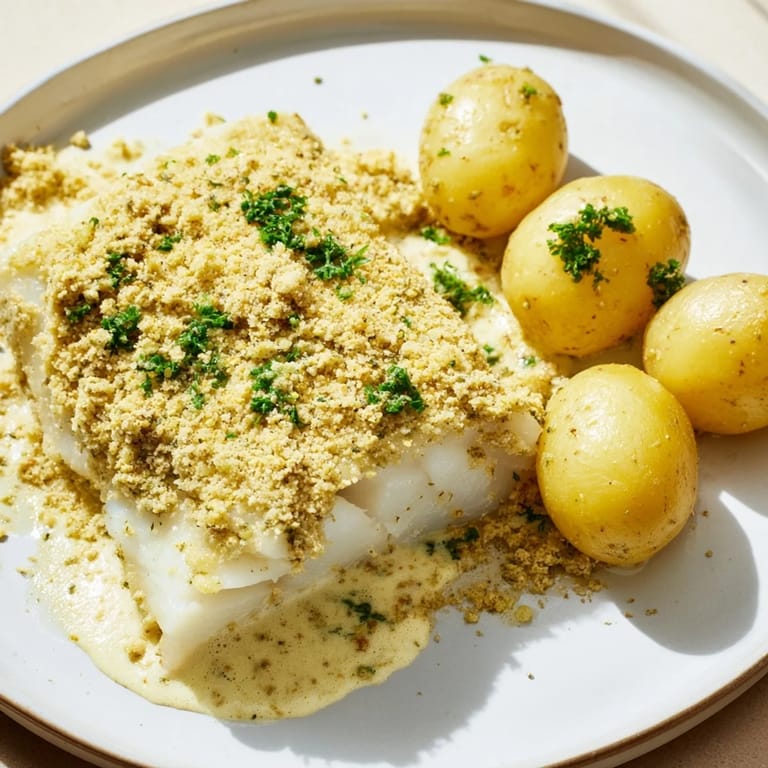
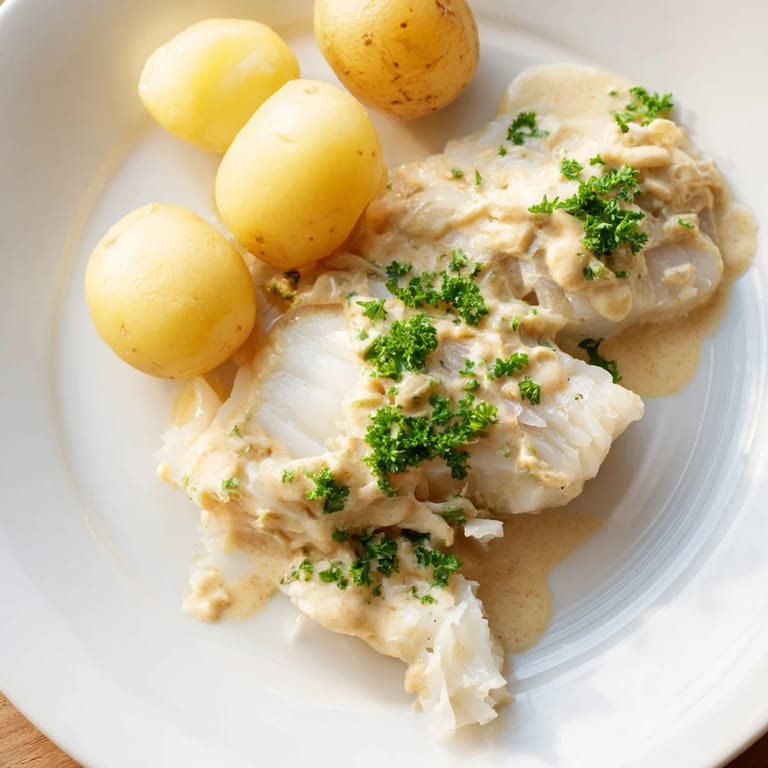
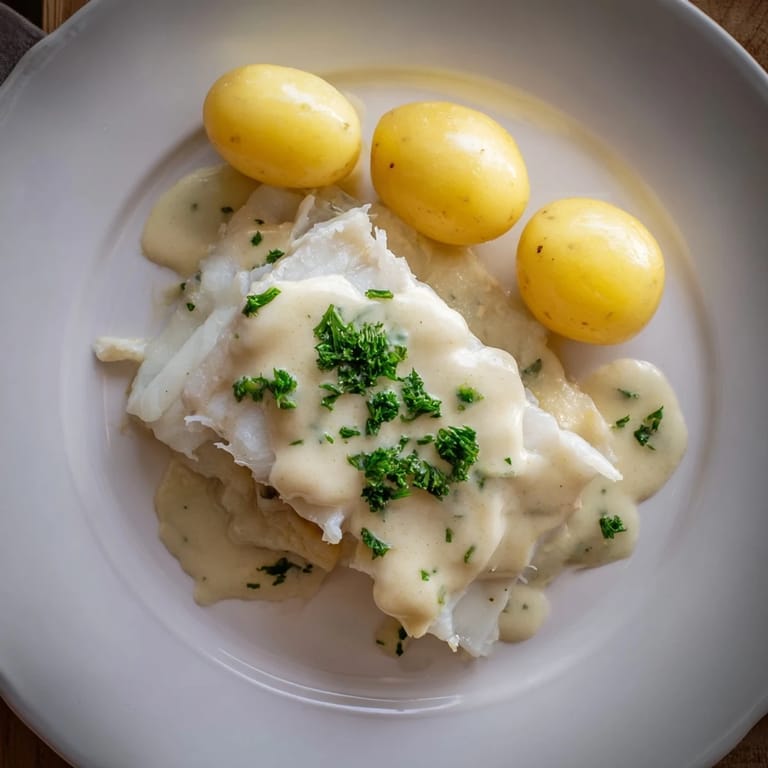
- Arrange hot lutefisk on a plate with boiled potatoes and crispbread, spoon the warm sauce over the fish, and finish with fresh parsley if you have it. The warmth and the sauce are what make this dish sing.
 Pin it
 What moved me most about this dish wasn't the exotic preparation or the tradition, but how it brought my Norwegian neighbor and me into a real friendship over shared meals. Food has a way of doing that—especially food that requires patience, tradition, and the willingness to trust someone else's knowledge.
Why This Soaking Method Works
Ancient preservation techniques aren't romantic accidents—they're solutions born from necessity. The long soaking rehydrates the cod while the daily water changes leach away the alkaline flavors that linger from the original curing process. By day five, the fish has regained tenderness and moisture, but lost the harshness that makes people recoil. It's alchemy that happens to be completely practical, which is why Norwegian families have done it this way for centuries.
The Mustard Sauce as Balance
The sauce exists for a reason—lutefisk is delicate and mild, and without something to complement it, a plate can feel austere. The mustard brings sharpness and personality, the butter adds richness, and the milk grounds everything in comfort. This isn't a heavy sauce drowning the fish; it's a partner that highlights what makes the fish worth eating in the first place.
Building Your Lutefisk Tradition
Lutefisk is at its best when shared, when it's part of a seasonal ritual or a moment of connection. Start the soaking on a Sunday evening, refresh it each morning, and plan your baking day for a time when you can sit down to eat without rushing. The sides matter too—crisp bread for texture, potatoes for earthiness, and if you can find aquavit or a clean lager, the pairing feels complete and intentional.
- If parsley isn't available, a small squeeze of fresh lemon zest adds brightness without changing the character of the dish.
- Leftover mustard sauce keeps beautifully for three days and works wonderfully drizzled over roasted vegetables or fish the next evening.
- Lutefisk freezes well after baking but before saucing—wrap pieces individually and thaw in the refrigerator before reheating gently.
 Pin it
 Making lutefisk is about honoring a tradition while discovering something genuinely delicious on your own terms. There's something deeply satisfying about a dish that asks for patience and rewards it with quiet, unpretentious flavor.
Recipe FAQs
- → How is lutefisk prepared before cooking?
The dried cod is soaked in cold water for 5 to 6 days, changing the water daily, then salted briefly before baking.
- → What ingredients make up the mustard sauce?
The sauce combines butter, flour, milk, Dijon mustard, whole-grain mustard, sugar, salt, and white pepper to create a creamy texture with a tangy flavor.
- → Can gluten-free flour be used here?
Yes, substituting all-purpose flour with a gluten-free variety maintains the sauce’s consistency for those with gluten sensitivities.
- → What is the ideal baking temperature and time for lutefisk?
Bake the soaked fish at 200°C (390°F) for 25 to 30 minutes until it turns opaque and flakes easily.
- → What traditional sides complement this dish?
Boiled potatoes and crispbread or flatbread are typically served alongside, with optional parsley for garnish.