 Pin it
 I discovered this cake quite by accident on a rainy Tuesday when my blender was the only appliance I felt like using. The yogurt made it impossibly moist, and that first slice, still warm with the lemon hitting my nose before my teeth touched it, felt like I'd cracked some secret code about baking. Now I make it whenever someone needs convincing that homemade cake doesn't require fussing around with three bowls and a mixer.
My neighbor came over mid-afternoon with her kids, and I blended this together while they played in the garden. By the time it came out of the oven, the whole kitchen smelled like a lemon grove, and somehow that simple moment of sharing something warm and still steaming felt more special than any fussy dessert ever could.
Ingredients
- Greek yogurt (1 cup): It's thicker and tangier than regular yogurt, which means more flavor and a naturally tender crumb. Don't skip this or swap it carelessly; it's doing real work here.
- Eggs (3 large): They bind everything and add richness. Room temperature ones blend more smoothly, but cold ones work fine if you're impatient like me.
- Vegetable oil (1/2 cup): This keeps the cake impossibly moist. Olive oil works too, though it changes the flavor slightly toward something more herbaceous.
- Granulated sugar (1 cup): It sweetens and helps the cake rise, creating a tender crumb structure as it dissolves into the batter.
- Lemon zest (2 lemons): Zest the lemons before you juice them; it's easier that way. This is where most of the lemon intensity lives, so don't be shy.
- Fresh lemon juice (1/4 cup): Bottled juice works in a pinch, but fresh juice adds brightness and prevents that slightly metallic aftertaste.
- Vanilla extract (1 teaspoon): Just enough to deepen the flavor without announcing itself. You won't taste vanilla; you'll taste better lemon.
- All-purpose flour (1 1/2 cups): Measure by weight if you can, or spoon and level. Too much flour makes it dense and disappointing.
- Baking powder (2 teaspoons): This is your only leavening agent, so make sure yours is fresh. Old baking powder won't lift the cake as high.
- Salt (1/4 teaspoon): A pinch of salt makes the lemon taste more like lemon. It's small but essential.
- Powdered sugar for glaze (1/2 cup): Optional, but it creates a simple, pretty finish and adds another layer of sweetness that balances the tang.
- Lemon juice for glaze (2-3 teaspoons): Whisk it with the powdered sugar until it's smooth and drizzleable.
Tired of Takeout? 🥡
Get 10 meals you can make faster than delivery arrives. Seriously.
One email. No spam. Unsubscribe anytime.
Instructions
- Heat your oven and prepare the pan:
- Set the oven to 350°F (175°C) and get your 9x5-inch loaf pan ready by greasing it lightly and dusting with flour, or line it with parchment paper for a quick release later. This takes two minutes and saves you from frustrated cake-removal wrestling.
- Blend the wet ingredients:
- Pour the yogurt, eggs, oil, sugar, lemon zest, lemon juice, and vanilla into your blender and blend until completely smooth, about 30 seconds. You're aiming for a uniform, pale yellow mixture with no streaks of white yogurt.
- Add the dry ingredients carefully:
- Sprinkle the flour, baking powder, and salt over the wet mixture and pulse, folding it in with just a few pulses until barely combined. Stop as soon as you don't see dry flour; overmixing develops the gluten and makes the cake tough and dense instead of tender.
- Pour and bake:
- Transfer the batter into your prepared pan and smooth the top gently with a spatula. Bake for 35 to 40 minutes, until a toothpick poked into the center comes out clean or with just a few moist crumbs clinging to it.
- Cool with patience:
- Let the cake sit in the pan for 10 minutes so it firms up enough to handle, then turn it out onto a cooling rack. Trying to move it while it's too hot will break it into pieces and hurt your feelings.
- Glaze it if you like:
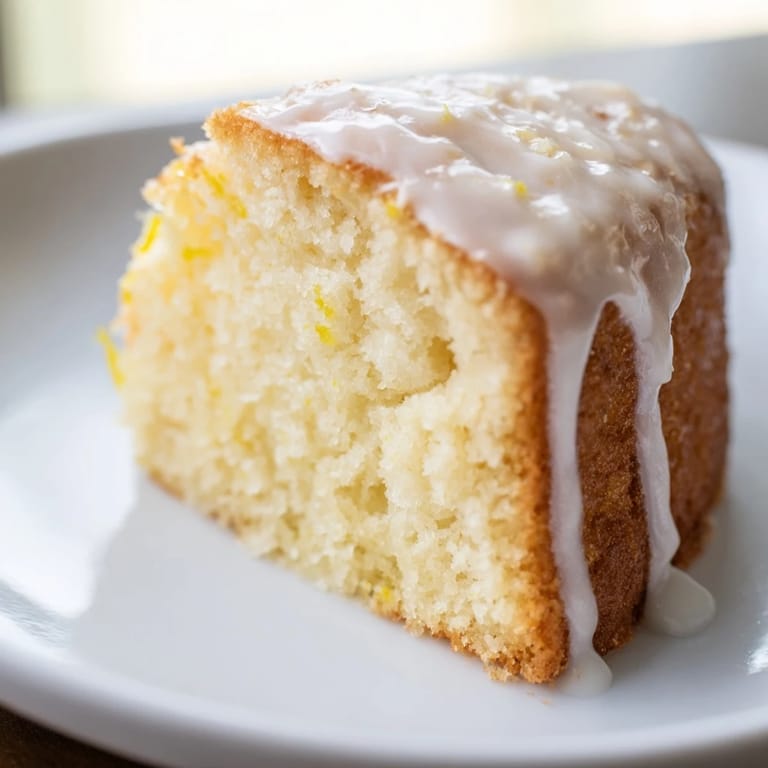
- Once the cake is completely cool, whisk powdered sugar with a couple teaspoons of fresh lemon juice until it's smooth and pourable, then drizzle it over the top in whatever pattern feels right. It sets quickly and adds a subtle sweetness that rounds out the tanginess.
 Pin it
 The first time someone asked for the recipe, I realized I'd made something that stayed in their memory. That's when I understood this cake wasn't just about the lemon or the yogurt; it was about how something so simple could taste like you'd actually tried.
Why This Cake Works Every Time
Greek yogurt is the secret player in this recipe. It adds tang that makes the lemon brighter, moisture that keeps the cake soft for days, and tenderness that comes from the acidity breaking down gluten strands. The blender does all the work of aeration and mixing, so you never have to worry about overworking the batter or creating lumps. Baking at 350°F instead of higher means the cake rises gently and bakes through without browning too fast or drying out.
When to Make This Cake
This cake feels right for breakfast with coffee, for tea time with friends, or as a light dessert after dinner. It's bright enough for summer but never feels out of place in winter. I've made it for potlucks, wrapped it in parchment for bake sales, and served it still-warm at the dinner table when I wanted something homemade but didn't want to spend all day in the kitchen.
Variations and Serving Ideas
You can push the lemon further by adding a quarter teaspoon of lemon extract or the zest of three lemons instead of two. Fresh berries on the side make it feel more special, and whipped cream softens the tang if anyone prefers sweetness. It pairs beautifully with Earl Grey tea, whose floral notes echo the brightness of the lemon, or with a light Moscato if you're serving it as dessert with wine.
- Make a blueberry version by stirring fresh blueberries into the batter just before pouring it into the pan.
- Double the recipe and bake in a 9-inch round pan for a layer cake that impresses more people.
- Store it wrapped in plastic wrap at room temperature for up to three days, or refrigerate it for five days and it stays moist the whole time.
 Pin it
 This cake taught me that the best recipes are the ones you make without thinking, the ones that live in your hands and your kitchen until they become part of how you feed people you care about. That's what I hope this one becomes for you.
Recipe FAQs
- → What gives this cake its moist texture?
The use of Greek yogurt and vegetable oil keeps the cake soft and moist throughout baking.
- → Can I substitute the yogurt with another dairy product?
Yes, plain whole-milk yogurt can be used as an alternative without affecting the texture much.
- → How can I boost the lemon flavor?
Adding extra lemon zest or a few drops of lemon extract intensifies the bright lemon notes.
- → Is it important to not overmix the batter?
Yes, pulsing the flour until just combined helps maintain a tender crumb and avoids toughness.
- → What is the best way to serve this cake?
Serve with fresh berries, a dollop of whipped cream, or pair with Earl Grey tea or Moscato for a refined touch.
- → Can the optional glaze be omitted?
Yes, the cake is delicious on its own but the lemon glaze adds a pleasant zesty sweetness.