 Pin it
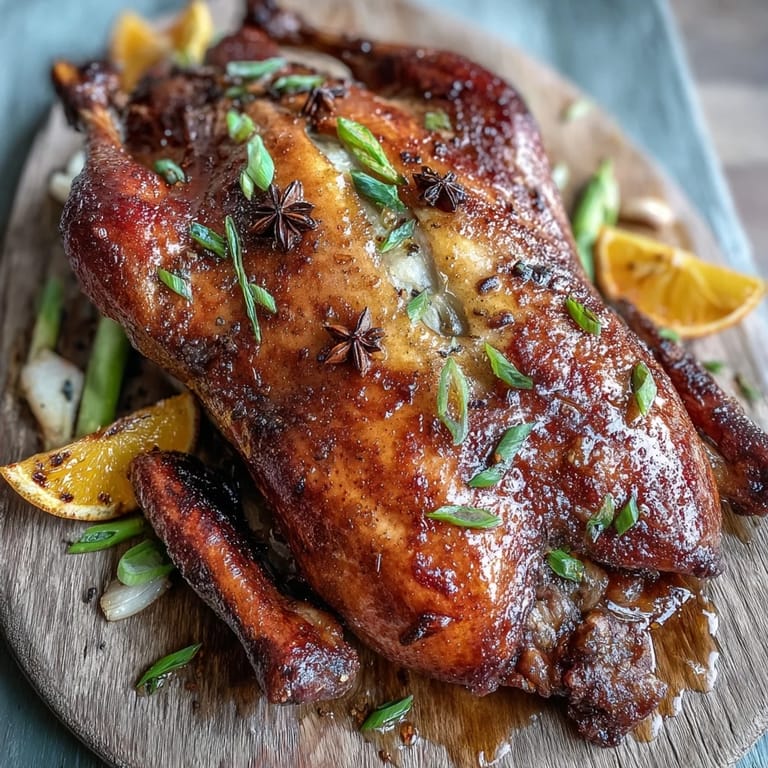
 The kitchen was thick with steam and the scent of star anise when I realized I had bought a whole duck without any real plan. My partner raised an eyebrow, half amused, half worried, as I pulled out my grandmother's battered spice tin. Inside was a faded label that simply read five-spice, and suddenly I knew exactly what to do. That evening turned into one of those unplanned triumphs where the house smelled so good the neighbors texted asking what we were cooking.
I made this for Valentine's Day once, mostly because roses felt predictable and I wanted to try something bold. We set the table with mismatched candles, poured wine neither of us could pronounce, and when I brought the duck to the table, golden and glistening, my partner actually gasped. It became our tradition after that, not just for romance, but for any night we wanted to feel like we were celebrating something worth remembering.
Ingredients
- Whole duck (about 1.5 to 2 kg): Look for a duck with plump breasts and pale, smooth skin, and always pat it completely dry before you start or the skin won't crisp properly.
- Chinese five-spice powder (2 tbsp): This blend of star anise, cloves, cinnamon, Sichuan pepper, and fennel is the soul of the dish, so use a fresh jar if yours has been sitting in the back of the cupboard for years.
- Sea salt (1 tsp): It draws out moisture and seasons deeply, creating that perfect balance with the sweet and savory marinade.
- Light soy sauce (1 tbsp): Adds umami and a gentle saltiness, and if you need gluten-free, tamari works beautifully here.
- Dark soy sauce (1 tbsp): This is what gives the duck that gorgeous mahogany color and slightly richer, molasses-like depth.
- Honey (2 tbsp): It caramelizes under high heat, creating that glossy, sticky finish that makes the skin irresistible.
- Shaoxing wine or dry sherry (2 tbsp): A splash of this cuts through the richness and adds a subtle floral note that rounds out the marinade.
- Garlic (4 cloves, minced): Fresh garlic brings a pungent warmth that mellows beautifully as it roasts.
- Fresh ginger (2-inch piece, grated): The zing of ginger brightens everything and pairs perfectly with the citrus and spice.
- Orange (zested and juiced, plus 1 quartered): Citrus cuts the fat and infuses the meat with brightness from both inside and out.
- Spring onions (2, chopped): They add a mild, sweet onion flavor that perfumes the cavity as the duck roasts.
- Star anise pods (4): Tucked inside the duck, they release their licorice-like fragrance and reinforce the five-spice magic.
Tired of Takeout? 🥡
Get 10 meals you can make faster than delivery arrives. Seriously.
One email. No spam. Unsubscribe anytime.
Instructions
- Mix the marinade:
- In a small bowl, whisk together the five-spice powder, salt, both soy sauces, honey, Shaoxing wine, garlic, ginger, orange zest, and juice until smooth and fragrant. The smell alone will make you hungry.
- Prepare the duck:
- Place the cleaned, dried duck on a rack in your roasting pan and prick the skin all over with a fork, being careful not to pierce the meat underneath. This lets the fat render out and the skin turn golden and crisp.
- Marinate inside and out:
- Rub the marinade generously over the entire surface of the duck and inside the cavity, getting into every crevice. Stuff the cavity with the orange quarters, chopped spring onions, and star anise pods.
- Rest and chill:
- Let the duck marinate uncovered in the refrigerator for at least 1 hour, though overnight is even better for deeper flavor and crispier skin. The cold air dries out the surface, which is exactly what you want.
- Preheat and position:
- Preheat your oven to 180°C (350°F) and make sure the rack is positioned in the center. Bring the duck to room temperature for about 20 minutes before roasting.
- Roast low and slow:
- Roast the duck breast-side up for 1 hour, basting every 30 minutes with the pan juices. The slow roast renders the fat and keeps the meat tender.
- Crisp the skin:
- Increase the oven temperature to 220°C (425°F) and roast for an additional 20 to 30 minutes until the skin is deeply bronzed and crackling. Watch it closely during this stage so it doesn't burn.
- Rest before carving:
- Remove the duck from the oven and let it rest on a cutting board for 10 minutes. This allows the juices to redistribute so every slice is moist and flavorful.
- Serve with style:
- Carve the duck into portions and serve with steamed jasmine rice and stir-fried greens if desired. Drizzle a little of the pan juice over the top for extra richness.
 Pin it
 There was a night when friends came over unexpectedly and I pulled the leftover duck from the fridge, shredded it over noodles, and watched their faces light up. It stopped being just a recipe that evening and became a story we still tell, the kind of meal that turns a regular Tuesday into something you remember months later. Food like this has a way of doing that.
Getting the Skin Just Right
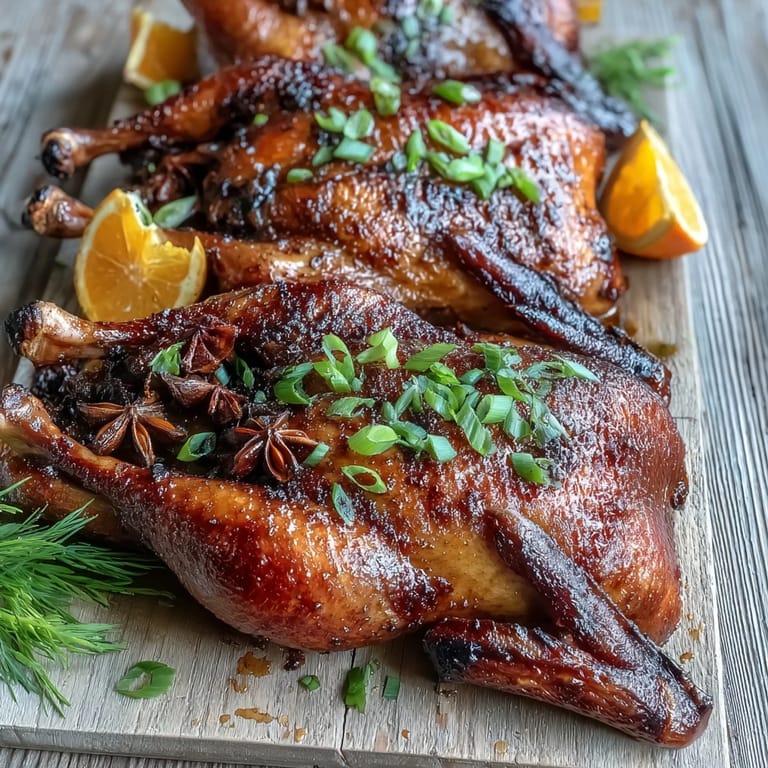
The first time I roasted a duck, the skin was rubbery and pale, a heartbreaking waste of effort. I learned that moisture is the enemy of crispiness, so now I always dry the bird thoroughly with paper towels and let it air-dry in the fridge. The pricking step releases the fat, and that final high-heat blast is what transforms the skin from soft to shatteringly crisp. If you skip the overnight chill, at least give it an hour uncovered, and never cover the duck with foil unless you want steam to ruin all your hard work.
Flavor Variations and Swaps
I have swapped honey for maple syrup when I wanted a deeper, earthier sweetness, and it worked beautifully. If you cannot find Shaoxing wine, dry sherry or even a splash of white wine with a pinch of sugar does the trick. For a bolder kick, add a teaspoon of Sichuan peppercorns to the marinade or tuck a few dried chiles into the cavity. You can also brush the duck with a little extra honey mixed with soy sauce during the last 10 minutes for an even glossier finish.
Serving Suggestions and Pairings
This duck shines alongside steamed jasmine rice, which soaks up the rich pan juices like a dream. I love serving it with stir-fried bok choy or gai lan, something green and slightly bitter to balance the sweetness. A light Pinot Noir or a chilled pot of jasmine tea cuts through the richness beautifully, and if you are feeling fancy, a small bowl of hoisin sauce or plum sauce on the side makes for a perfect dipping option.
- Steamed jasmine rice or coconut rice for a fragrant, fluffy base.
- Stir-fried greens like bok choy, Chinese broccoli, or snow peas with garlic.
- A simple cucumber salad with rice vinegar and sesame oil to refresh the palate.
 Pin it
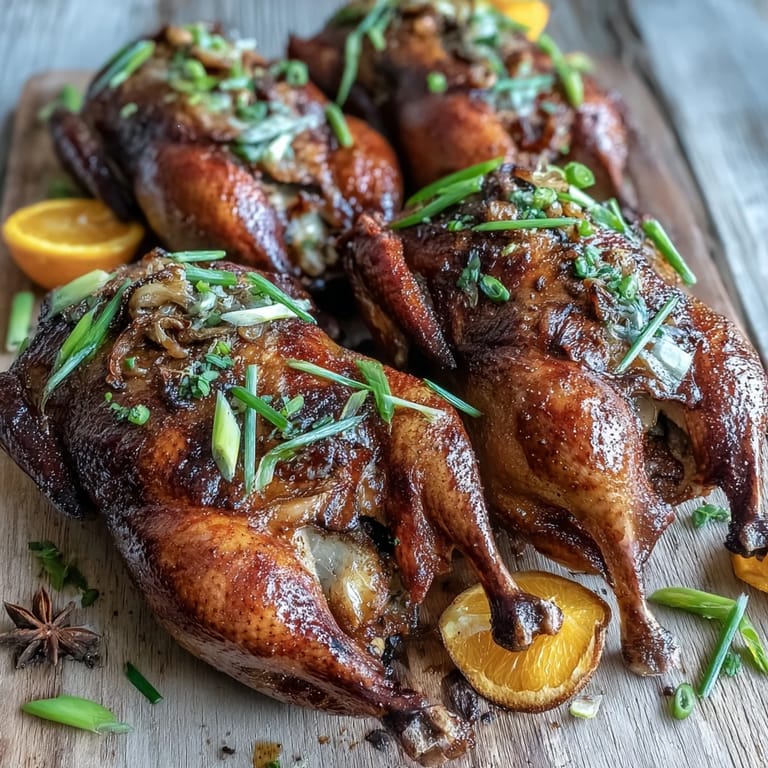
 Every time I make this duck, I am reminded that some recipes are worth the effort, the kind that fill your kitchen with warmth and your table with conversation. It is become one of those dishes I turn to when I want to impress without pretending to be someone I am not.
Recipe FAQs
- → How do I get crispy duck skin?
Prick the skin thoroughly with a fork before marinating, leave the duck uncovered in the fridge overnight, and finish roasting at high heat (220°C/425°F) for 20-30 minutes.
- → Can I prepare this dish in advance?
Yes, marinate the duck up to overnight in the refrigerator for deeper flavor. The longer marination also helps achieve crispier skin during roasting.
- → What can I substitute for Shaoxing wine?
Dry sherry works as an excellent substitute for Shaoxing wine, providing similar depth and complexity to the marinade.
- → Is this dish gluten-free?
Yes, when using gluten-free soy sauce varieties for both light and dark soy sauce. Always check ingredient labels to ensure all components are certified gluten-free.
- → What should I serve with roast duck?
Steamed jasmine rice and stir-fried greens complement the rich duck beautifully. Pair with light Pinot Noir or chilled jasmine tea for beverages.
- → How do I know when the duck is fully cooked?
The duck is done when the skin is crisp and golden brown, and the internal temperature reaches 74°C (165°F) at the thickest part of the thigh.