 Pin it
 The first time I attempted a crookie, I was standing in a tiny Parisian bakery's back room, watching the pastry chef fold butter into dough with the kind of precision that made my hands feel clumsy. Years later, in my own kitchen, I thought: what if croissants could taste like warm chocolate chip cookies straight from the oven? That moment of wondering became an obsession, and after a dozen attempts that ranged from butter-leaking disasters to unexpectedly perfect golden crescents, I finally nailed it. This is the recipe that changed how I think about hybrid desserts.
I brought these to a dinner party last autumn, nervous they might be overshadowed by the main course, but I watched my friend Sarah take one bite and immediately ask if I could teach her. We ended up sitting at the kitchen counter at midnight, rolling out dough and talking about the small victories that make cooking worthwhile. She went home with the recipe and a promise that some things are worth the lamination.
Ingredients
- All-purpose flour (250g for dough, 120g for cookie layer): Quality flour gives you structure; I learned this the hard way when budget flour made my lamination collapse.
- Unsalted butter (150g cold, 25g melted for dough, 70g softened for cookies): Cold butter is your lamination secret—if it warms too much, you lose those precious flaky layers.
- Granulated sugar and brown sugar: The combination gives you caramel notes in the cookie layer that pair beautifully with dark chocolate.
- Whole milk (120ml, lukewarm): Lukewarm matters; too hot kills the yeast, too cold and it won't activate.
- Instant yeast (7g): This creates gentle pockets of air in your dough, making it both flaky and tender.
- Eggs (1 large egg for dough, 1 egg yolk for cookies): Eggs bind everything together and give you that rich, golden color when baked.
- Vanilla extract (1 tsp): Don't skip this; it's what makes people close their eyes after the first bite.
- Baking soda (1/2 tsp): This reacts with the brown sugar to create spread and chewiness.
- Dark chocolate chips (100g): Use chips you'd actually want to eat on their own—quality matters here.
- Salt (combined 1/4 tsp + 1 tsp): Salt amplifies every flavor and is especially important in laminated dough.
Tired of Takeout? 🥡
Get 10 meals you can make faster than delivery arrives. Seriously.
One email. No spam. Unsubscribe anytime.
Instructions
- Build your dough foundation:
- Mix flour, sugar, salt, and yeast in a bowl, then add your lukewarm milk, melted butter, and egg. You should feel the dough come together gradually—that soft, slightly tacky texture is exactly what you want. Knead for 5 minutes until it feels smooth and springy.
- Give it a first rest:
- Shape your dough into a rectangle, cover it loosely, and let it chill for 30 minutes. This relaxes the gluten and makes rolling easier later.
- Prepare your butter layer:
- While the dough rests, place your cold unsalted butter between two pieces of parchment and roll it into a 15x15 cm square. Keep it in the fridge—we want it cold and pliable, not soft.
- The first fold (lock in the butter):
- Roll out your dough to 30x15 cm, place that butter square in the center, then fold the dough over it from both sides like you're wrapping a present. Seal the edges by pressing gently. Now roll it out to 45x20 cm and fold it into thirds, like a letter. Chill for 30 minutes.
- Two more folds for layers:
- Repeat that rolling and folding process two more times, chilling 30 minutes between each fold. After the final fold, give it a full hour to rest in the fridge—this is when the magic layers form.
- Make your cookie dough:
- While everything's chilling, beat your softened butter with both sugars until it's light and fluffy, about 2 minutes. Add the egg yolk and vanilla, then mix in your flour, baking soda, and salt until just barely combined. Fold in the chocolate chips gently—don't overwork this or your cookies will be tough.
- Assemble your crookies:
- Roll your laminated dough out to 30x25 cm, aiming for about 6 mm thick. Spread or dollop your cookie dough evenly over the surface, leaving about 1 cm around the edges. Roll it up tightly from the long side, like you're making a spiral, then slice it into 8 equal rounds.
- Final proof:
- Place each round on a parchment-lined baking sheet, cover loosely with plastic wrap, and let them sit at room temperature for 1 hour. You'll see them puff up slightly—that's the yeast doing its final work.
- Bake to golden:
- Preheat your oven to 190°C (375°F) and bake for 18–20 minutes. You're looking for deep golden brown, and the centers should feel just barely set—don't overbake or you'll lose that cookie dough chewiness. Let them cool on a wire rack before eating.
 Pin it
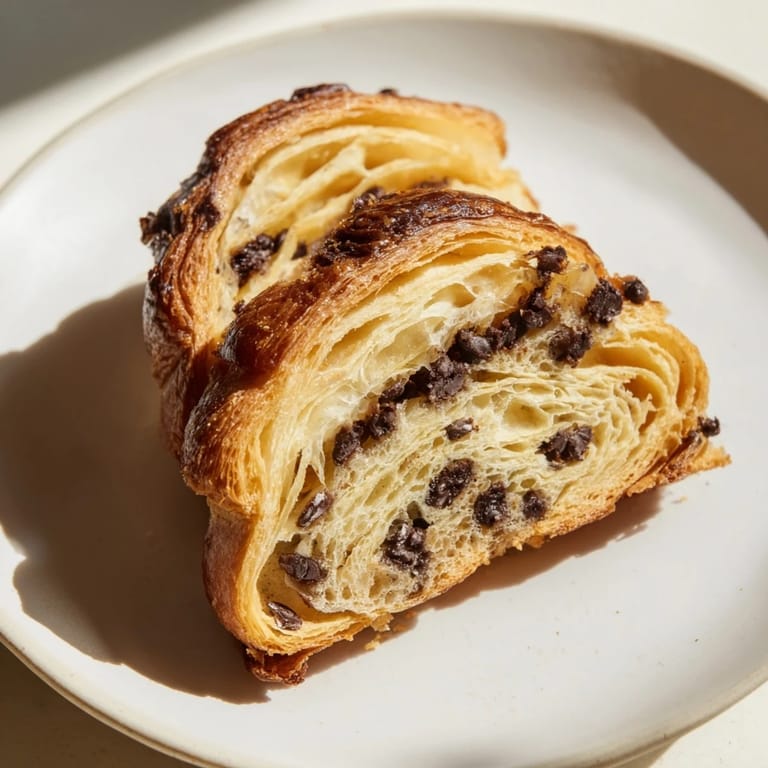
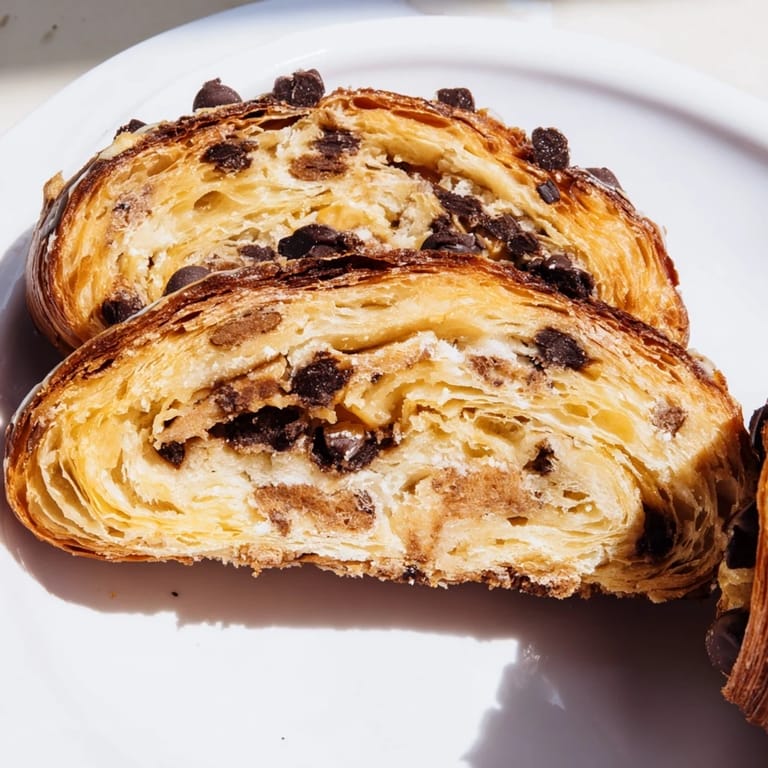
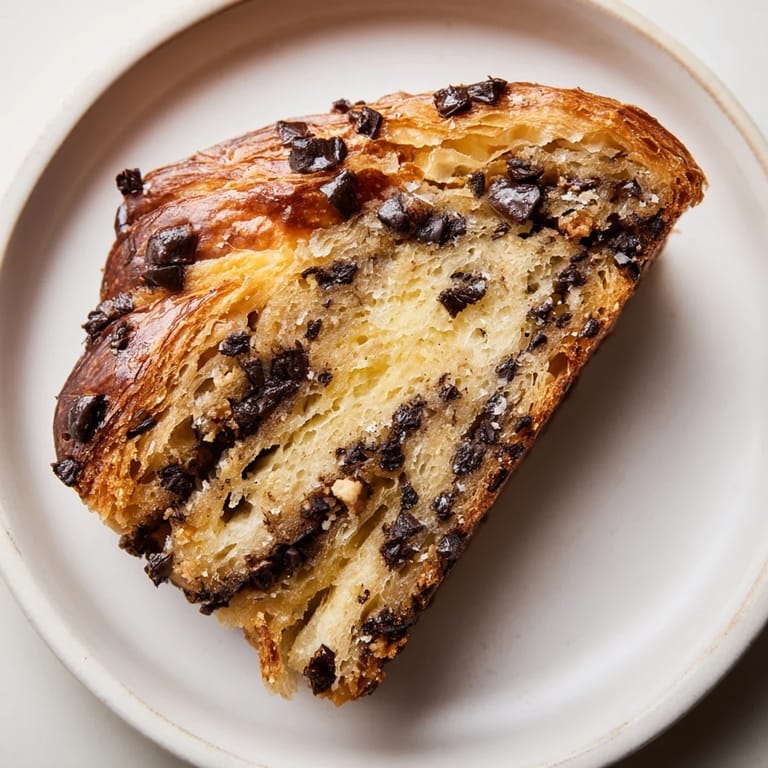
 There's a moment when you pull these out of the oven and see those croissant layers peeking through with the chocolate nestled in every fold—that's when you know you've pulled off something special. It stops being about following instructions and becomes about understanding why every step matters.
Lamination Secrets
Lamination intimidated me for years until I realized it's just the same motion repeated. The point isn't perfection on your first fold—it's consistency. Roll, fold, chill, repeat. Each time you do it, you're creating more and more layers of butter and dough that will separate during baking, creating that signature flaky texture. If you see some butter peeking out at the edges, that's normal. If it's oozing everywhere, your dough was too warm; pop it back in the fridge for 15 minutes and try again.
Balancing Croissant and Cookie
The real trick with crookies is not letting one personality overshadow the other. The laminated dough wants to be buttery and separate into layers; the cookie dough wants to be chewy and bind everything together. The lamination folds create structure, and the cookie layer adds moisture and richness. Don't spread the cookie dough too thick or it becomes overwhelming. Don't skimp on it either, or you'll just have a fancy croissant. The balance is when every bite has both textures playing against each other.
Variations That Work
Once you master the basic version, this dough is forgiving enough to experiment with. I've added chopped pistachios to the cookie layer, used white chocolate and raspberries, even tried a maple-pecan combination. The dough structure holds up beautifully with any chocolate chip you choose, and if you want extra shine on top, brush the rolls lightly with beaten egg before baking for that bakery-case look.
- Toast nuts before folding them in—it deepens their flavor and prevents sogginess.
- If you're adding dried fruit, soak it briefly in warm water first to plump it up.
- Experiment with chocolate types: milk chocolate spreads differently than dark, and that changes how gooey your finished crookie will be.
 Pin it
 Making crookies is as much about enjoying the process as it is about the result. There's something grounding about folding dough, watching layers form, and then watching someone's face light up when they taste it.
Recipe FAQs
- → What type of dough is used for this treat?
Laminated croissant dough is prepared, involving layers of butter rolled and folded into the dough for a flaky texture.
- → How long should the dough be chilled before baking?
The dough undergoes multiple chilling stages totaling around 2 hours to allow proper lamination and proofing.
- → Can I add nuts or different chocolates?
Yes, chopped nuts or various types of chocolate chips can be incorporated for added texture and flavor.
- → What is the ideal baking temperature and time?
Bake at 190°C (375°F) for 18 to 20 minutes until the tops are golden and cooked through.
- → How do I achieve a shiny finish on top?
Brushing the tops with an egg wash before baking gives a glossy, appealing finish.
- → Are there any common allergens in this treat?
Yes, it contains wheat, milk, eggs, and possibly soy from the chocolate chips; check labels for any nut traces.