 Pin it
 My first frikadeller came straight from my grandmother's cast-iron skillet in Copenhagen, golden and sizzling before I even knew what I was tasting. She'd flatten them with a practiced flick of her spatula, and the butter would foam up like it was celebrating. That panfried crust, the tender meat inside—it taught me that sometimes the simplest dishes hold the most comfort. Now when I make them, I can almost hear her humming in the kitchen.
I made these for a dinner party once and watched my Swedish friend take a bite, pause, and then reach for another without saying a word. That quiet moment—when food speaks louder than words—is exactly what frikadeller does. Served with those sharp pickles and dense rye bread, they became the reason people asked for the recipe instead of dessert.
Ingredients
- Ground pork: The backbone here; half pork and half veal makes them lighter and more delicate if you ever want to experiment.
- Finely grated onion: Grate it small enough that it dissolves into the meat, giving you sweetness and moisture without any texture surprises.
- Egg: Your binder, but also the thing that makes them hold together through all that pan time.
- Whole milk: It sounds small, but this is what keeps them from drying out; the breadcrumbs drink it up first, then release it slowly as they cook.
- Breadcrumbs: Use panko if you're feeling fancy, regular if that's what you have; they puff up and keep everything tender.
- Salt, pepper, allspice: Allspice is the secret handshake of Danish cooking—it adds a whisper of warmth that makes people wonder what you did differently.
- Butter and neutral oil: Together they create the perfect frying medium; the butter gives you flavor, the oil stops it from burning.
Tired of Takeout? 🥡
Get 10 meals you can make faster than delivery arrives. Seriously.
One email. No spam. Unsubscribe anytime.
Instructions
- Build your base:
- Throw the pork, grated onion, egg, milk, breadcrumbs, salt, pepper, and allspice into a large bowl. Mix until it looks like wet, soft clay that holds together when you squeeze it—this takes maybe a minute of work with your hands.
- Let it rest:
- Give it ten minutes on the counter; this lets the breadcrumbs fully absorb the milk, making the mixture firmer and easier to shape.
- Shape with wet hands:
- Wet your hands (this stops sticking), and gently form the mixture into ovals or rounds about the size of a golf ball. You should get twelve to fourteen pieces, depending on how generous you're feeling.
- Heat your pan:
- Warm the butter and oil together over medium heat until it shimmers and smells toasty; this takes about two minutes.
- Fry until golden:
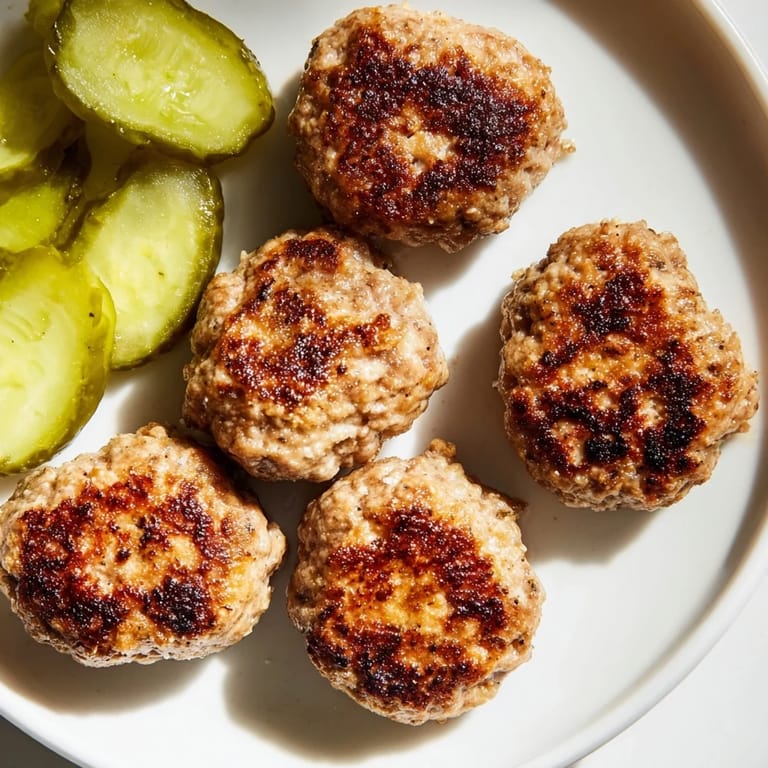
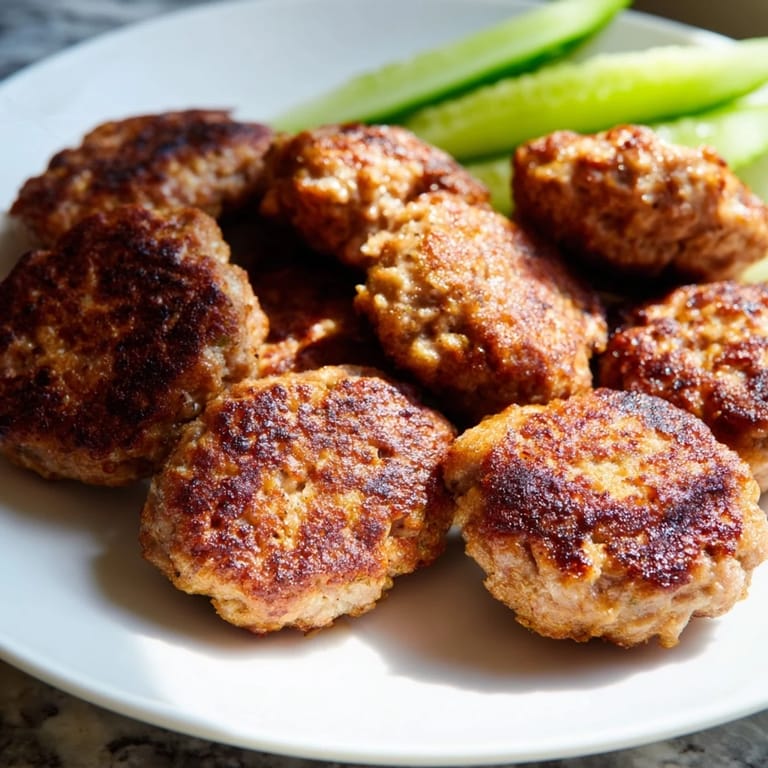
- Working in batches so you don't crowd the pan, lay the meatballs in and immediately flatten them slightly with a spatula—like you're giving them an encouraging pat. Fry for four to five minutes per side until they're deep golden brown and you can see the juices aren't running pink when you press one gently.
- Rest on paper towels:
- As each batch finishes, move them to a plate lined with paper towels to catch any excess oil.
- Serve while warm:
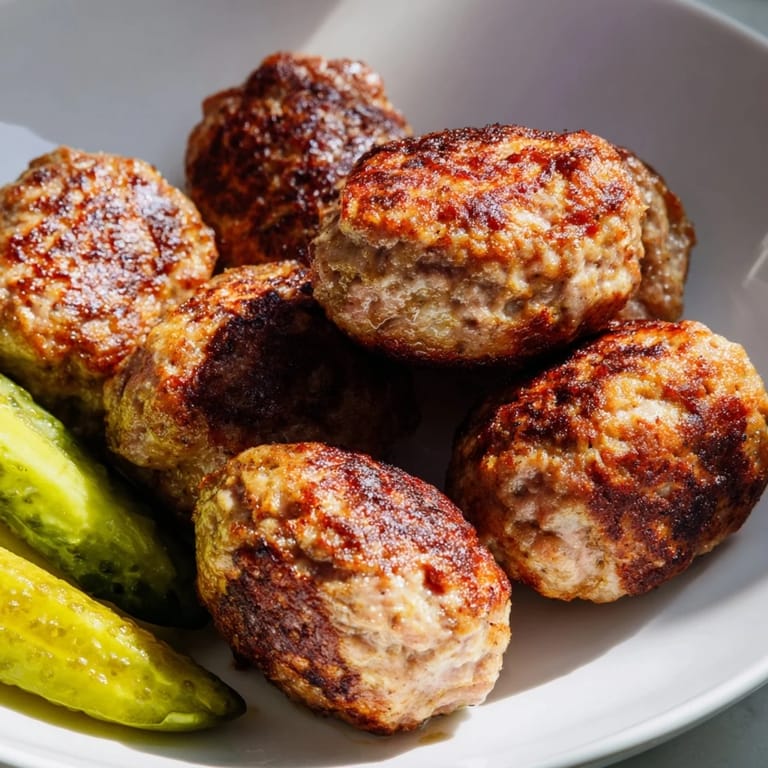
- Pile them on a plate with pickles alongside, rye bread, or boiled potatoes if you want them as a full meal.
 Pin it
 There's something about frikadeller that makes people linger at the table, picking up one more even after they've said they're full. My neighbor once told me these tasted like home, and she'd never even been to Denmark.
The Danish Pickle Pairing
The pickles aren't just a side—they're the whole reason these meatballs sing. The sharp, briny tang cuts through the richness of the pan-fried meat and makes each bite feel fresh and alive. I learned this the hard way by trying them without pickles first, and they were good, but with them? Transcendent. Pickled cucumber, beetroot, or even a quick-pickled onion all work beautifully.
Why This Tastes Like Denmark
Allspice might seem like an odd choice to Americans, but in Scandinavian cooking it's the quiet flavor that makes people ask what's different. It's warm and slightly sweet without being obvious, like cinnamon's more sophisticated cousin. If you leave it out, you'll still have delicious meatballs—but you'll miss the moment when someone says, 'I can't quite place it, but there's something wonderful here.'
Making Them Your Own
The beauty of frikadeller is how forgiving they are to improvisation. Some people add finely chopped mushrooms, others swap in veal or beef, and I once met someone who added a touch of Worcestershire sauce and swore it changed her life. The core technique stays the same: a sticky mixture that rests, shaped ovals fried until golden, and served with something sharp to balance the richness.
- If your mixture feels too loose, add a tablespoon more breadcrumbs and let it rest again.
- For extra crispy edges, make sure your pan is hot enough that the butter foams immediately when you add the meatballs.
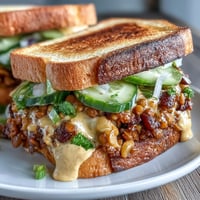
- Leftover frikadeller are actually better the next day in a rye bread sandwich with those pickles.
 Pin it
 These meatballs have traveled with me from Copenhagen kitchens to dinner tables across three continents, and they never disappoint. Make them once and you'll understand why they've stayed a Danish staple for generations.
Recipe FAQs
- → What type of meat is best for authentic Danish frikadeller?
Ground pork is traditional, but mixing in veal can lighten the texture without compromising flavor.
- → How should the meatball mixture be prepared before frying?
Mix all ingredients until cohesive, let it rest 10 minutes for breadcrumbs to absorb liquid, then shape into balls.
- → What is the best way to achieve golden and juicy meatballs?
Fry the meatballs in a mix of butter and neutral oil over medium heat, flattening slightly to brown evenly.
- → Which sides complement these meatballs traditionally?
Tangy Danish pickles are classic, often paired with rye bread or boiled potatoes for a complete meal.
- → Can I omit allspice in the mixture?
Yes, allspice adds a warm note but can be left out without losing the dish’s core flavors.