 Pin it
 Last spring, I stood in my kitchen watching sunlight pour through the window onto a bare countertop, thinking about how baking could feel less heavy and more celebratory. That's when this cake came to life—not from a cookbook, but from wanting something that tasted like the season itself: bright, delicate, with that perfect balance of tartness and sweetness. The first time I pulled those layers from the oven, the aroma of lemon and vanilla filled every corner, and I knew I'd found something special. It became my go-to for garden parties, baby showers, and those moments when ordinary afternoons needed a little magic.
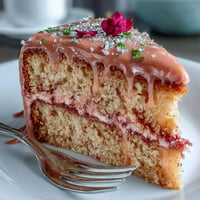
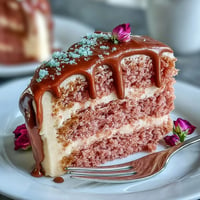
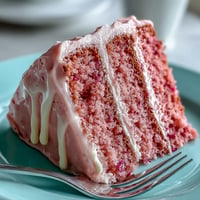
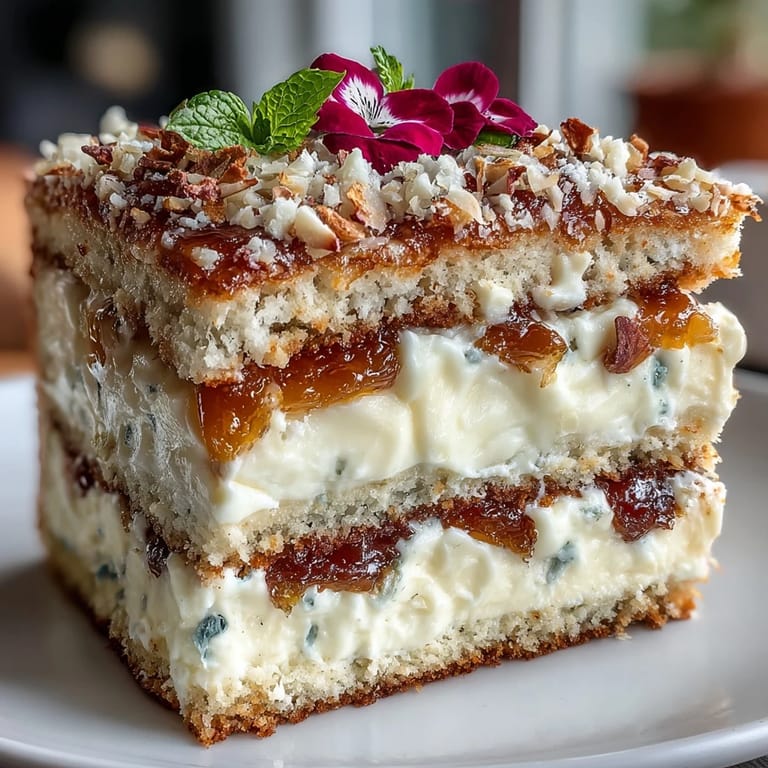
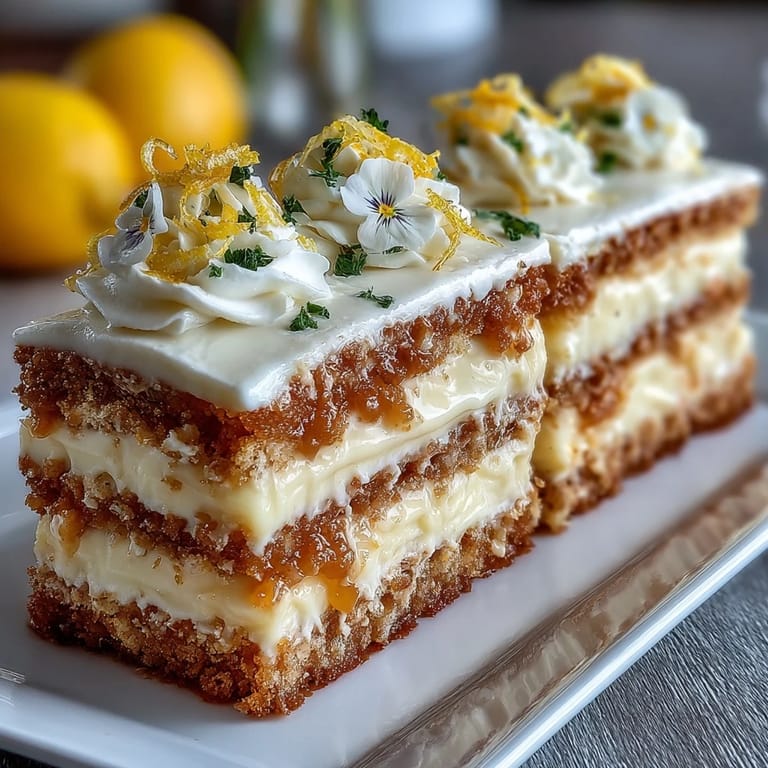
I made this for my sister's engagement tea last June, and watching my mum's face when she saw it on the table—this tall, flower-crowned cake with cream spilling between the layers—that moment made me understand why food memories stick around. She cut into it slowly, like it was almost too pretty to touch, and then everyone went quiet except for the sound of forks clinking. Sometimes a dessert becomes the reason people linger at a table longer than they planned.
Ingredients
- All-purpose flour (2 1/2 cups): The foundation of your cake's tender crumb—measure by weight if you can, as it makes a real difference in texture.
- Baking powder and baking soda (2 tsp and 1/2 tsp): These work together to give you that light, pillowy rise without making the cake taste metallic or dense.
- Salt (1/2 tsp): A pinch that nobody notices but everybody feels—it brightens the lemon and balances the sweetness.
- Unsalted butter (1 cup plus 1/2 cup): Use good quality butter here; it's the flavor backbone for both cake and curd, so it matters.
- Granulated sugar (1 3/4 cups for cake, 3/4 cup for curd): Keep your sugar measured and ready before you start—rushing this step leads to overmixing.
- Eggs (4 large for cake, 4 yolks for curd): Room temperature eggs incorporate more smoothly and create a better emulsion in your batter.
- Vanilla extract (1 tsp for cake, 1 tsp for cream): A modest amount keeps the spotlight on lemon without making anything taste like a candle.
- Buttermilk (1 cup): This creates tenderness by reacting with the baking soda; don't skip it or substitute carelessly.
- Lemon zest and juice (3 lemons zested, 4 squeezed): Fresh lemons only—bottled juice tastes thin and somehow sad by comparison.
- Heavy cream (2 cups): Cold cream whips faster and holds peaks better, so chill your bowl too if you have time.
- Powdered sugar (1/3 cup): Sifting it first prevents lumps that refuse to dissolve into your cream.
- Edible flowers (1–2 cups): Choose pesticide-free varieties like pansies, violets, or nasturtiums; they're your final flourish and worth sourcing carefully.
Tired of Takeout? 🥡
Get 10 meals you can make faster than delivery arrives. Seriously.
One email. No spam. Unsubscribe anytime.
Instructions
- Prepare your pans and heat your oven:
- Preheat to 350°F (175°C) and grease three 8-inch round cake pans, then line the bottoms with parchment paper—this matters more than you'd think when you're turning out delicate layers. The parchment is your safety net.
- Combine your dry ingredients:
- Whisk together flour, baking powder, baking soda, and salt in a medium bowl and set aside. This pre-mixing prevents streaks of unmixed baking soda in your batter.
- Cream butter and sugar until fluffy:
- Beat for about 3 minutes with an electric mixer until the mixture looks pale and cloud-like—this incorporates air and sets you up for a tender cake. You'll actually see the transformation happen.
- Add eggs one at a time:
- After each egg, beat well so it's fully incorporated before adding the next one, then mix in vanilla and lemon zest. This slow approach keeps your batter emulsified.
- Alternate dry ingredients and buttermilk:
- Add them in three additions—dry, wet, dry, wet, dry—always starting and ending with flour. Stop mixing as soon as everything is combined; overmixing activates gluten and makes your cake tough.
- Divide and bake:
- Pour batter evenly into your prepared pans, smooth the tops, and bake 25–30 minutes until a toothpick inserted in the center comes out clean. The kitchen will smell incredible.
- Cool properly:
- Let cakes sit in their pans for 10 minutes (they need this time to firm up), then turn them out onto wire racks to cool completely. Cooling all the way prevents your filling from melting into your cake.
- Make your lemon curd:
- Set a heatproof bowl over simmering water and whisk together lemon juice, zest, sugar, and egg yolks, stirring constantly for 8–10 minutes until it thickens enough to coat the back of a spoon. Remove from heat and whisk in butter cubes until you have a glossy, silky sauce.
- Whip your cream:
- Beat cold heavy cream with powdered sugar and vanilla until stiff peaks form, then refrigerate until assembly time. Don't overbeat or you'll start making butter by accident.
- Assemble with care:
- Place your first cake layer on a serving platter, spread half the lemon curd across it, then top with whipped cream. Repeat with the second layer, then crown with your third layer and a generous top layer of cream.
- Decorate just before serving:
- Arrange edible flowers across the top and add lemon zest curls if you like; they wilt quickly so do this last. The final cake should look a bit undone in the best possible way.
 Pin it
 My neighbor knocked on my door one afternoon with a question: could I make this cake for her daughter's college graduation tea? I said yes immediately, then panicked slightly when I realized I'd never actually made it for a real event before. But that's the thing about this cake—it looks polished and impressive, yet every step is straightforward enough that even small kitchen moments of doubt melt away once you're in the rhythm of it. Now whenever I see someone's face light up watching this cake being cut, I remember why I keep coming back to recipes that ask just a little more of us.
The Secret of Tender Cake Layers
The difference between a dense, dry cake and one that feels like eating clouds comes down to three things: not overmixing once you add the dry ingredients, making sure your eggs and buttermilk are truly room temperature (cold ingredients won't blend properly), and using buttermilk instead of regular milk. That acidic tang reacts with the baking soda and makes everything taste lighter and more complex, even though you can't quite taste it directly.
Why Lemon Curd Changes Everything
Homemade lemon curd is nothing like the storebought version—it has this glossy, luxurious texture and an almost aggressive brightness that wakes up your whole mouth. The trick is cooking it low and slow over simmering water so the eggs cook through without scrambling, whisking constantly so everything stays silky. I've found that finishing it with cold butter whisked in at the end makes it taste richer and more finished, like something a pastry chef would make.
Making This Cake Your Own
The beauty of a naked cake is that it invites personalization—you could swap mascarpone for half the whipped cream if you want something richer, or add a layer of fresh raspberry jam between the cream and cake for tartness. Some seasons I've made it with lavender flowers instead of pansies, and once I added a touch of elderflower cordial to the whipped cream because it felt spring-like and unusual. The structure stays solid while you play around, which means you can make this cake your own.
- If your kitchen is very warm, chill your cake layers and lemon curd before assembly so everything stays stable and doesn't slide around.
- Edible flowers should go on last, no more than 30 minutes before serving, so they stay fresh-looking and don't wilt from moisture.
- A thin offset spatula and patience are your friends when layering; rushing leads to crumbs mixing into your filling.
 Pin it
 This cake somehow makes ordinary afternoons feel like celebrations, which might be the truest measure of a recipe worth keeping. Serve it with sparkling wine or a proper cup of tea, and watch how it brings people together.
Recipe FAQs
- → How do I ensure the edible flowers are safe to eat?
Use flowers specifically labeled as edible, pesticide-free, and sourced from reputable suppliers to guarantee safety.
- → Can I prepare the lemon curd ahead of time?
Yes, lemon curd can be made a day in advance and refrigerated to allow flavors to meld and to simplify assembly.
- → What’s the best way to achieve fluffy whipped cream?
Use cold heavy cream and a chilled bowl, then whip with powdered sugar and vanilla until stiff peaks form for optimal texture.
- → How can I prevent the cake from drying out?
Cool the sponge layers completely and consider chilling before assembly; lemon curd and whipped cream add moisture and richness.
- → Are there suitable substitutions for the whipped cream?
Mascarpone can replace half of the whipped cream to create a richer texture and slightly tangy flavor.