 Pin it
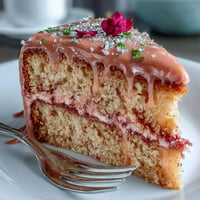
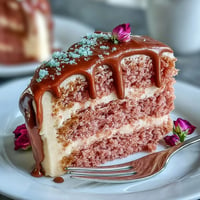
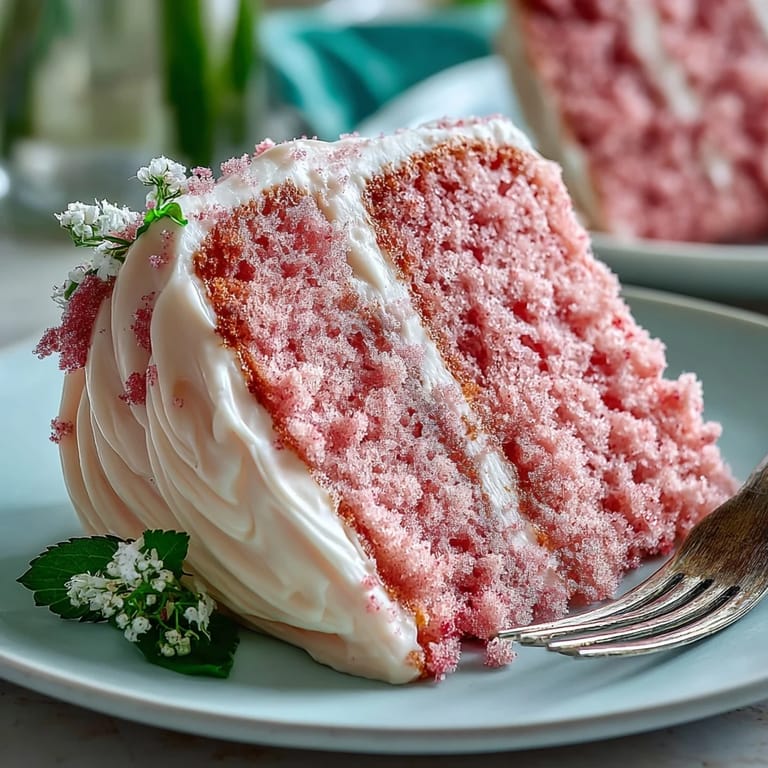
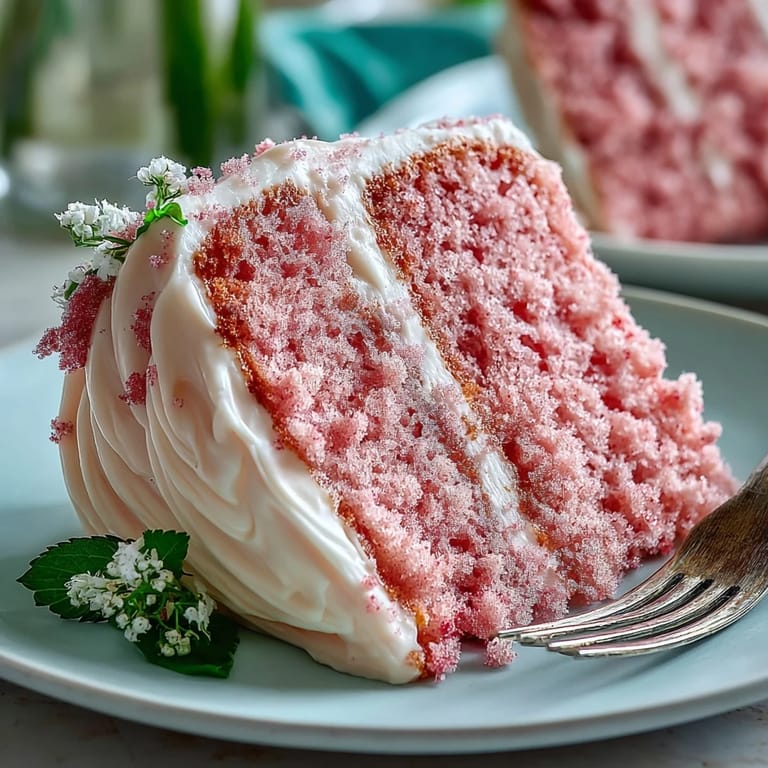
 The first time I decided to make a Rosé Velvet Cake, it was less about the big occasion and more about a nearly empty bottle of wine on my counter and the need for something beautiful on a grey day. There's a peculiar satisfaction in knowing you're about to fold wine into flour, watching the pale pink swirl through the batter like a secret. The glossy, thick drip of gold reminded me of the shimmer on a just-bloomed rose petal after rain. The whole kitchen seemed to brighten as the cake layers came out, pretty and lightly blushing, ready for a little glam and a lot of frosting. Not every baking adventure has to start with a wedding – sometimes it just starts with a little curiosity and a celebration for its own sake.
I once brought this cake to a friend's bridal shower, only to see it spark a debate about who got to take home leftovers. Watching everyone's pink-stained forks and laughing at our attempts to mimic the drip at home, it hit me how much a showstopper cake can become the life of a gathering. There's something magical about a dessert that gets passed around the table for 'just one more slice,' even among people who barely know each other. That afternoon, this Rosé Velvet Cake played matchmaker, memory-maker, and icebreaker all at once.
Ingredients
- Cake flour: Gives the cake its tender crumb; sift well for the softest layers.
- Granulated sugar: Sweetens and helps the cake achieve a moist, light texture.
- Baking powder & baking soda: The dual leaveners keep layers high and fluffy; double-check they're fresh.
- Salt: Just a pinch makes the sweetness and wine flavor pop.
- Unsalted butter: For richness – always let it soften fully to blend evenly.
- Vegetable oil: Adds extra moisture, keeping leftovers just as tempting the next day.
- Eggs: Room temperature eggs help everything emulsify so you get a smooth batter.
- Rosé wine: Choose a fruity but dry rosé that's tasty enough to sip by itself; the aroma lingers after baking.
- Vanilla extract: Rounds out the flavors; go for pure vanilla if you can.
- White vinegar: The secret to that velvet texture, it works with the soda for a fine crumb.
- Pink gel food coloring (optional): A little goes a long way if you want an extra pop of color.
- Cream cheese: Needs to be fully softened for the silkiest frosting; cold cheese will make it lumpy.
- Powdered sugar: Sift for an ultra fluffy, lump-free frosting.
- White chocolate: Choose good-quality bars rather than chips for a smoother, richer drip.
- Heavy cream: Just enough to turn the chocolate pourable, not runny.
- Edible gold luster dust: Adds instant celebration; check it's food-grade for safety.
- Vodka or lemon extract: Used as 'paint thinner' for the gold; alcohol evaporates, so you taste only shine.
Tired of Takeout? 🥡
Get 10 meals you can make faster than delivery arrives. Seriously.
One email. No spam. Unsubscribe anytime.
Instructions
- Prep your pans:
- Grease and line three 8-inch pans, pressing parchment into the base and trimming the edges if needed so nothing sticks.
- Mix the dry ingredients:
- Whisk cake flour, baking powder, baking soda, and salt in a big bowl – you'll know you're ready when the flour feels airy between your fingers.
- Cream and combine:
- Beat butter, oil, and sugar until pale and fluffy; listen for that gentle slapping sound from your mixer.
- Add eggs and flavor:
- Mingle in eggs one at a time, then vanilla and vinegar, letting everything look a bit glossy and thick.
- Alternate flour and rosé:
- Add a third of the flour, then some rosé, switching back and forth while barely mixing; stop as soon as there's no streaks left. This is where you swirl in a drop of pink food coloring if whims strike.
- Bake the layers:
- Divide batter and smooth it gently; the cakes will puff and blush golden in 30-35 minutes, springing back when you touch the top.
- Cool completely:
- Let cakes rest in their pans for 10 minutes, then tip them out onto racks so steam escapes and edges stay tender.
- Make cream cheese frosting:
- Beat softened cream cheese and butter until creamy, then add sifted powdered sugar little by little; frosting should be spreadable but not runny.
- Assemble and frost:
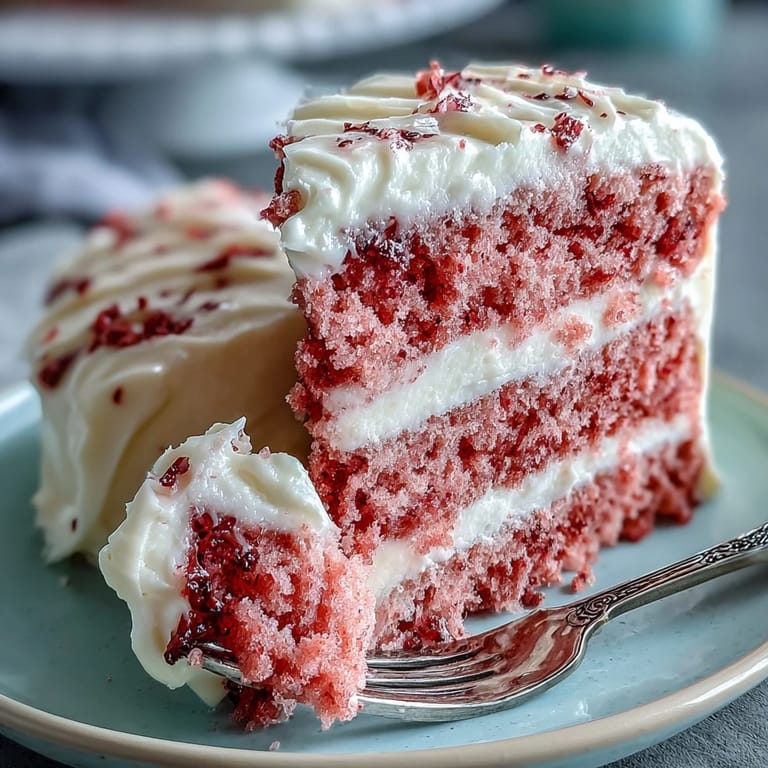
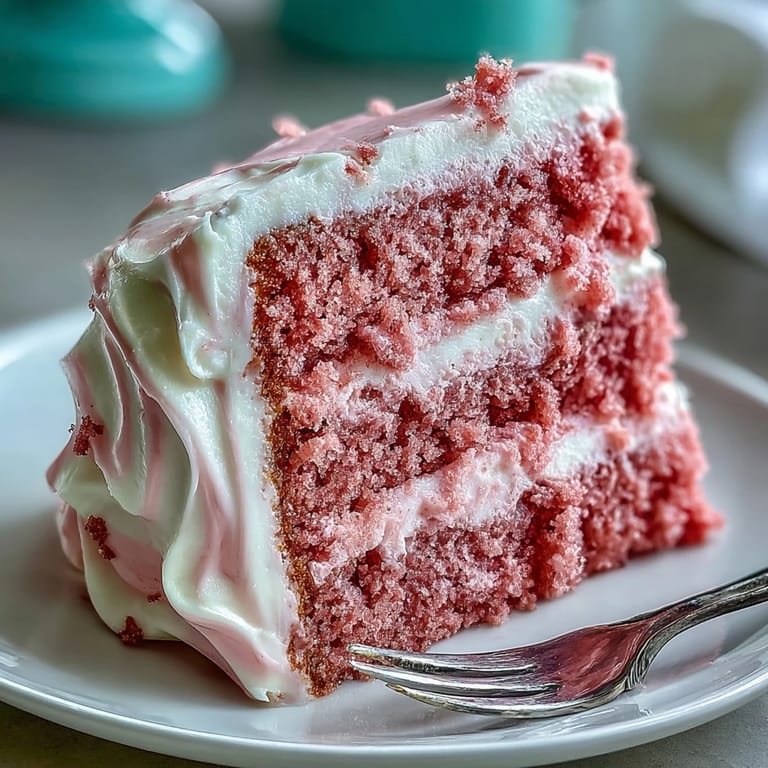
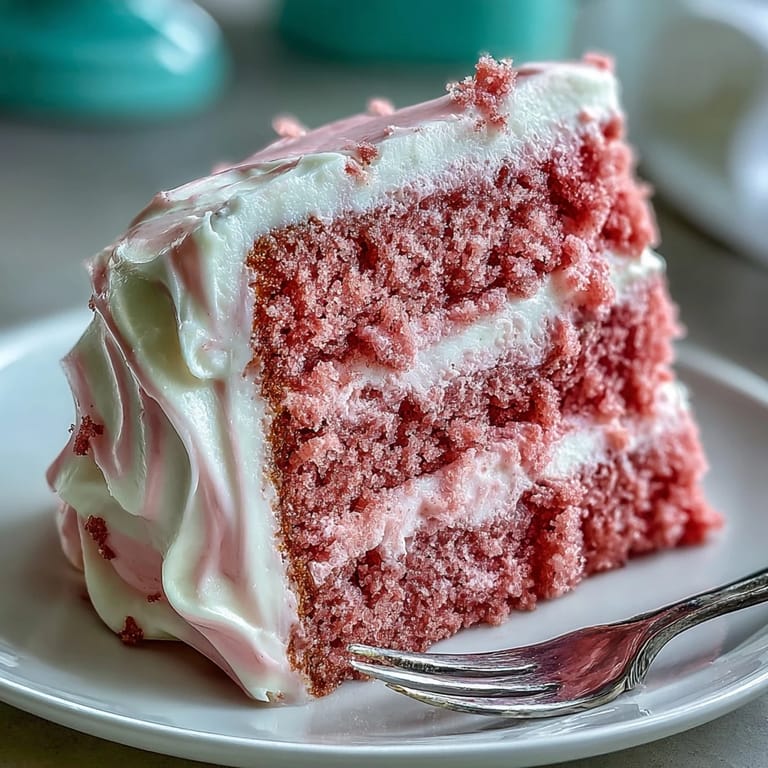
- Level layers if needed, then spread frosting between and over the layers, swirling the sides for that classic cake shop look.
- Make the gold drip:
- Pour warm cream over chopped white chocolate and stir slowly till silky, then let cool until thick but pourable; spoon or pipe around cake's top edge so drips form naturally. Chill cake to set the drip.
- Paint with gold:
- Mix luster dust with vodka or lemon extract, then paint each drip gold with a food-safe brush for the final magic touch.
 Pin it
  Pin it
 There was one moment, late at night, when I found a single slice of this cake in the fridge – shimmery drip, all intact. I ate it straight from the plate, standing barefoot in the cool kitchen, and realized how a cake like this turns ordinary days into something a bit golden.
Making Ahead For Parties
When I want less stress before an event, I bake the cake layers the night before and wrap them tightly once cool, so they stay fresh without fussing over them last minute. The frosting holds up beautifully in the fridge; just let it come to room temperature for spreading. Even the gold paintwork can be done several hours in advance, leaving only the joyous unveiling for showtime. Giving yourself this head start means more time to enjoy the actual party and, more importantly, sneak a lick of frosting before guests arrive.
Flavor Swaps and Fun Twists
Once, I swapped out the rosé for a splash of pink grapefruit juice and a little lemon zest, which gave the cake a brighter, zesty lift everyone commented on. For a kid-friendly spin, pink grape juice works without missing out on that cheery blush. I've even tinted the frosting a whisper of pink or tossed a handful of freeze-dried raspberries between layers for color and tang. This cake is surprisingly forgiving, so long as you trust your instincts and have fun with whatever is in the pantry.
Troubleshooting Common Cake Woes
I've forgotten to sift the powdered sugar more times than I care to admit – don't skip it if you want truly silky frosting. If your gold drip sets too fast, a hairdryer on the lowest setting waved gently over the surface can soften it for painting. Keeping the cake chilled up until serving keeps sharp lines and makes slicing easier, especially in warm rooms.
- If cakes dome unevenly, a quick trim with a serrated knife sorts everything out.
- Spare gold luster can decorate cupcakes or cookies later.
- Save a slice for yourself before the first cut – it really does disappear fast.
 Pin it
  Pin it
 However you serve it, this Rosé Velvet Cake brings a little extra sparkle to the table. Let each golden drip remind you there's magic to be found in even the simplest celebrations.
Recipe FAQs
- → Can I make this without alcohol?
Yes—substitute equal parts pink grape juice plus a splash of lemon juice for the rosé to keep the pink hue and acidity without alcohol.
- → How do I keep the layers even when stacking?
Level each cooled layer with a serrated knife or cake leveler, use an offset spatula to spread an even layer of cream cheese frosting, and chill briefly between layers to stabilize the stack.
- → What's the best way to achieve a smooth cream cheese finish?
Beat cream cheese and butter until completely smooth, sift the powdered sugar in gradually to avoid graininess, chill the assembled cake for 10–15 minutes, then use a warm offset spatula for a clean finish.
- → How is the gold drip made and applied?
Make a white chocolate ganache with heated cream, cool slightly and drip over a chilled cake. Mix edible gold luster dust with a small amount of vodka or lemon extract to a paint-like consistency and brush onto the set drips with a food-safe brush.
- → How should I store and serve the cake?
Refrigerate the cake; remove it from the fridge about 30–60 minutes before serving to bring flavors and texture closer to room temperature for best taste.
- → How can I prevent color bleeding from food coloring?
Add gel coloring sparingly and fold gently into the batter; avoid liquid dyes and overmixing to reduce pigment migration.