 Pin it
 I was standing in front of a swede at the market, turning it over in my hands like I'd never seen one before. Someone nearby said they roast beautifully, and I thought why not try something different. That night, I spiralized the whole thing into ribbons, tossed them with gochujang I'd been hoarding, and ended up with a dish that tasted like a happy accident. It's been on repeat ever since.
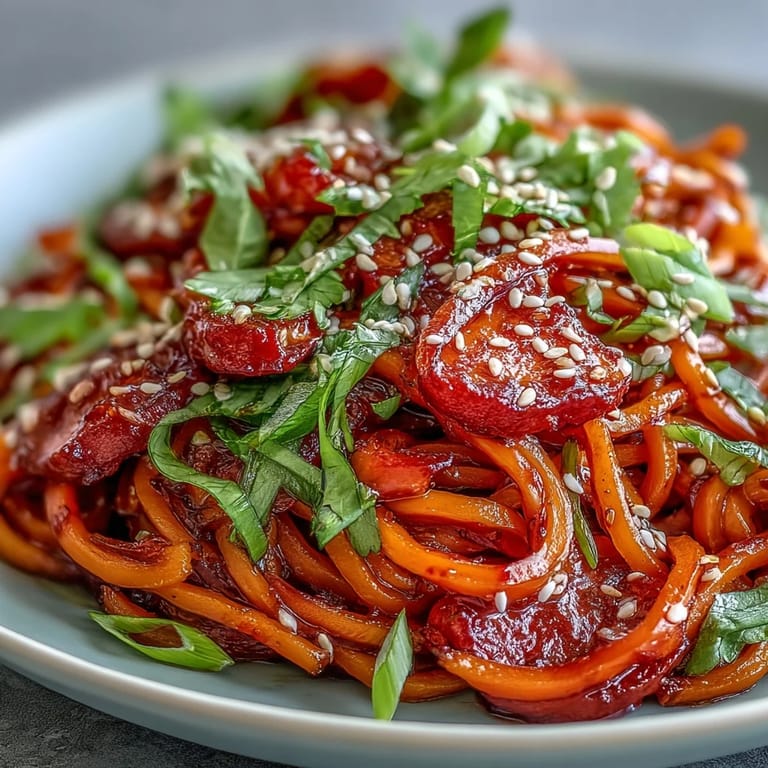
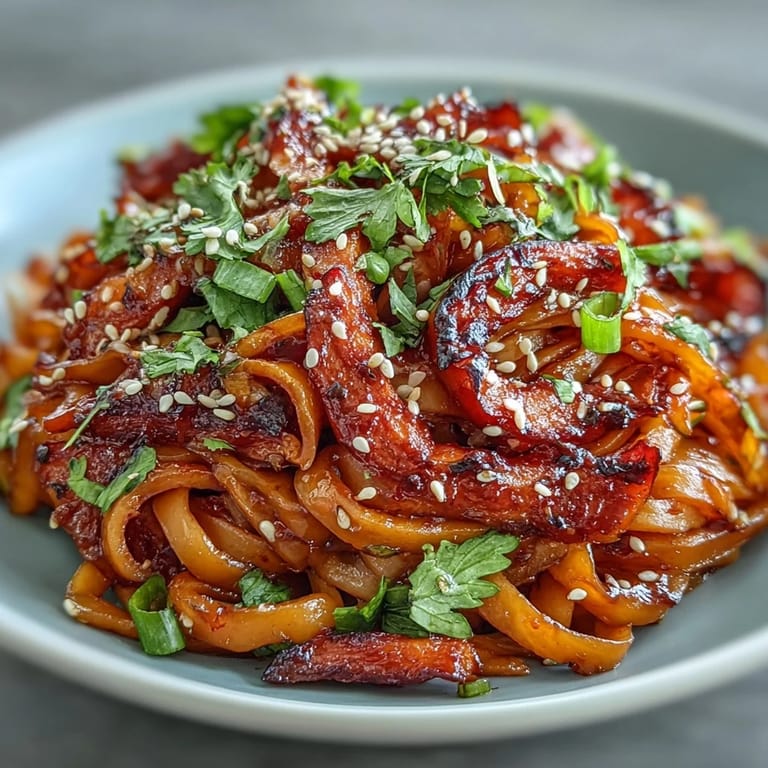
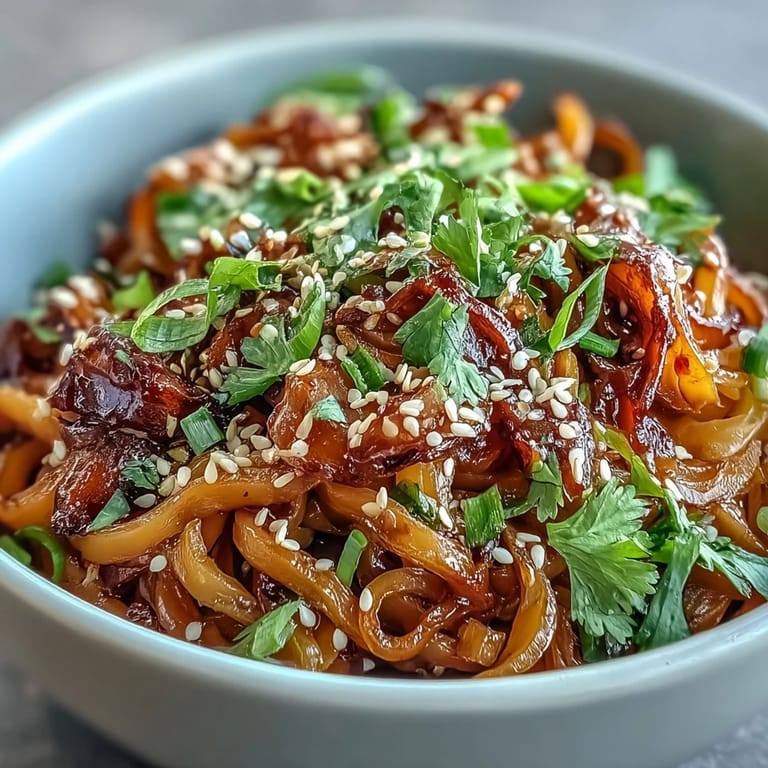
The first time I served this to friends, they asked what kind of noodles I used for the orange ribbons. When I told them it was swede, they didn't believe me until they tasted it. The roasting makes it sweet and caramelized, nothing like the boiled mush some of us remember from childhood. Now it's the dish I make when I want to surprise people who think they know vegetables.
Ingredients
- Swede (rutabaga): Peel it well and slice into ribbons with a peeler or mandoline, the thinner the better so they roast quickly and get crispy edges.
- Rice noodles: Use flat or thin varieties, they soak up the dressing without getting gummy if you rinse them in cold water after cooking.
- Gochujang: This fermented chili paste is the soul of the dish, bringing umami, sweetness, and a gentle burn that builds with each bite.
- Soy sauce: Adds salty depth, use tamari if you need it gluten-free and the flavor stays just as rich.
- Maple syrup: Balances the heat and saltiness with a smooth sweetness that doesn't taste cloying, honey works too if that's what you have.
- Toasted sesame oil: A little goes a long way, it adds that nutty aroma that makes everything smell like a proper stir-fry.
- Garlic and ginger: Grate them finely so they melt into the dressing, no chunky bites, just pure fragrant warmth.
- Spring onions: Slice them thin and toss them in raw for a sharp, fresh bite that cuts through the richness.
- Sesame seeds: Toast them in a dry pan until golden, they add crunch and a toasted flavor that makes the dish feel finished.
- Fresh cilantro: Some people love it, some don't, but it adds a bright herbal note that lifts the whole bowl.
Tired of Takeout? 🥡
Get 10 meals you can make faster than delivery arrives. Seriously.
One email. No spam. Unsubscribe anytime.
Instructions
- Prep the swede:
- Preheat your oven to 220°C (425°F) and peel the swede completely, then use a peeler or mandoline to shave it into long, thin ribbons. Toss them with vegetable oil, salt, and pepper, then spread them out on a baking sheet without crowding so they roast instead of steam.
- Roast until golden:
- Slide the tray into the oven and roast for 25 to 30 minutes, flipping them halfway through so both sides get caramelized and tender. The edges should be crispy and slightly charred, that's where all the sweetness lives.
- Cook the noodles:
- While the swede roasts, bring a large pot of water to a boil and cook the rice noodles according to the package instructions. Drain them, rinse under cold water to stop the cooking, and set them aside so they don't clump.
- Make the dressing:
- In a bowl, whisk together gochujang, soy sauce, maple syrup, rice vinegar, sesame oil, grated garlic, grated ginger, and chili flakes if you want extra heat. Add water a tablespoon at a time until it's pourable but still thick enough to coat everything.
- Toss it all together:
- In a large mixing bowl, combine the roasted swede, cooked noodles, spring onions, carrot, and bean sprouts if using. Pour the gochujang dressing over the top and toss gently until every ribbon and noodle is glossy and coated.
- Serve and garnish:
- Divide the noodles into bowls, sprinkle with toasted sesame seeds and fresh cilantro, and serve immediately while everything is still warm. The contrast between the hot swede and cool noodles is part of the charm.
 Pin it
 One winter evening, I made this dish after a long day and ate it straight from the bowl on the couch. The warmth, the chew of the noodles, the way the gochujang clung to everything, it felt like comfort food that didn't weigh me down. Since then, it's become my go-to when I want something that tastes indulgent but is mostly vegetables.
Making It Your Own
This recipe is forgiving and loves improvisation. If you don't have swede, try spiralized sweet potato, parsnips, or even thick carrot ribbons, they all roast beautifully and soak up the dressing. For extra protein, pan-fry some tofu until crispy and toss it in at the end, or throw in a handful of edamame. I've also added leftover roasted broccoli, sautéed mushrooms, and even thinly sliced cabbage when I needed to clear out the fridge, and it worked every time.
Storing and Reheating
Leftovers keep well in the fridge for up to three days, though the noodles will absorb some of the dressing and soften. I actually like eating it cold straight from the container for lunch, it tastes almost like a noodle salad. If you want to reheat it, do it gently in a pan with a splash of water or sesame oil to loosen everything up, the microwave works too but the swede can get a little rubbery. Store the sesame seeds and cilantro separately and add them fresh when you serve.
Serving Suggestions
This dish shines on its own, but it pairs beautifully with a crisp, slightly sweet white wine like Riesling or a light lager if you want something refreshing. I've served it alongside steamed bok choy or a simple cucumber salad dressed with rice vinegar and a pinch of sugar, the cool crunch balances the heat perfectly. For a bigger meal, add a soft-boiled egg on top, the runny yolk mixes with the gochujang and turns into an extra layer of richness.
- Top with a fried egg for a luxurious breakfast-for-dinner vibe.
- Serve with pickled radish or kimchi on the side for extra tang and crunch.
- Garnish with crushed peanuts or cashews if you want more texture and richness.
 Pin it
 This dish taught me that swede doesn't have to be boring, it just needs a little heat and a lot of love. I hope it surprises you the way it surprised me.
Recipe FAQs
- → Can I substitute swede with another vegetable?
Yes, you can use sweet potato, butternut squash, or parsnips as alternatives. Adjust roasting time based on the vegetable's density and moisture content.
- → How spicy is this dish?
The heat level is moderate, primarily from gochujang. You can reduce the amount or omit the optional chili flakes for a milder version, or add more for extra kick.
- → Can I make this ahead of time?
The dressing and roasted swede can be prepared up to 2 days in advance. Store separately and toss with freshly cooked noodles just before serving for best texture.
- → What can I use instead of gochujang?
Try sriracha mixed with miso paste, or substitute with a blend of chili paste and a touch of sugar. The flavor profile will differ slightly from authentic gochujang.
- → How do I cut swede into ribbons?
Use a vegetable peeler to create wide ribbons, or a mandoline for uniform thin strips. Alternatively, julienne by hand with a sharp knife for matchstick-sized pieces.
- → Is this dish gluten-free?
It can be made gluten-free by using tamari instead of soy sauce and ensuring your gochujang brand is certified gluten-free, as some varieties contain wheat.