 Pin it
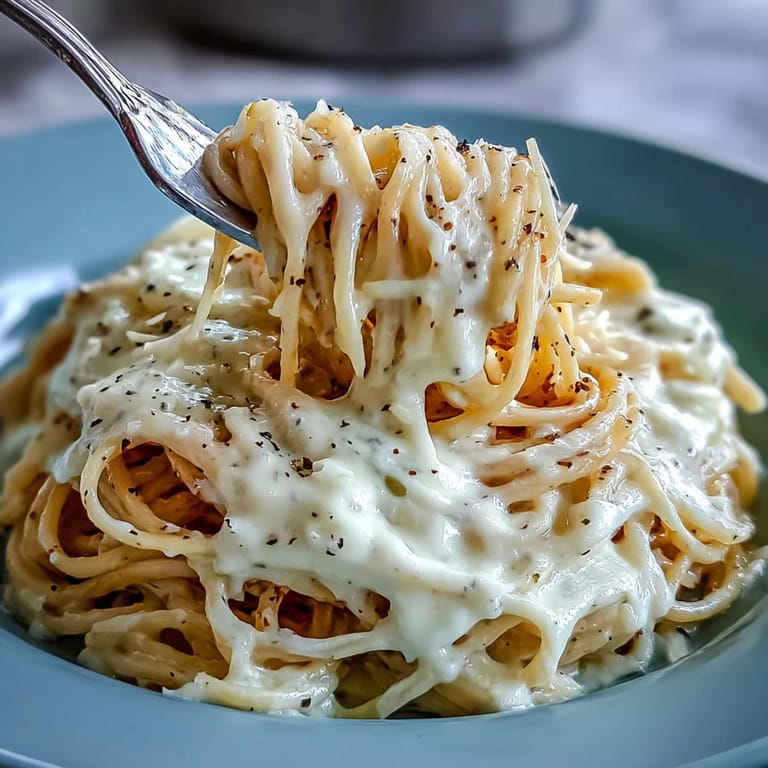
 The skillet was too hot, the cheese clumped, and I stood there staring at what looked like grainy scrambled eggs tangled in spaghetti. My first attempt at cacio e pepe was a disaster, but it taught me everything I needed to know about respecting heat, timing, and the magic of starchy pasta water. Once I learned to pull the pan off the flame and toss with patience, this deceptively simple Roman classic became my go-to for nights when I wanted something spectacular without the fuss. Three ingredients, ten minutes, and a little technique turn into creamy, peppery perfection every single time. Now I make it without thinking, and it never gets old.
I made this for my brother on a rainy Tuesday when he showed up unannounced and hungry. He watched me toss pasta in a skillet with nothing but cheese, pepper, and pasta water, convinced I was bluffing. When he took the first bite, he went quiet, then asked for seconds. That night, cacio e pepe stopped being just a recipe and became my secret weapon for impressing people who think cooking has to be complicated.
Ingredients
- Spaghetti or tonnarelli: Tonnarelli is the traditional choice with its square shape that grips the sauce, but spaghetti works beautifully and is easier to find.
- Pecorino Romano cheese, finely grated: This is the soul of the dish, sharp and salty, and it must be freshly grated or it will never melt into that glossy, creamy sauce.
- Whole black peppercorns, freshly cracked: Toasting them in the pan wakes up their flavor and fills your kitchen with a warm, spicy aroma that makes your mouth water before you even taste the pasta.
- Kosher salt: For the pasta water, which becomes the secret ingredient that binds everything together.
- Unsalted butter (optional): Not traditional, but a small knob of butter adds a silky richness that some people (including me) cant resist.
Tired of Takeout? 🥡
Get 10 meals you can make faster than delivery arrives. Seriously.
One email. No spam. Unsubscribe anytime.
Instructions
- Boil the pasta:
- Bring a large pot of water to a rolling boil, salt it generously, and cook the spaghetti until just shy of al dente, about a minute less than the package says. Before you drain, scoop out at least one and a half cups of that starchy, cloudy pasta water because it is pure gold for building your sauce.
- Toast the pepper:
- While the pasta bubbles away, toss your cracked black pepper into a dry skillet over medium heat and let it sizzle for about a minute. Youll know its ready when the kitchen smells like a peppery dream and the pepper darkens just a shade.
- Build the base:
- Pour a cup of that reserved hot pasta water into the skillet with the toasted pepper and lower the heat. This creates a peppery broth that will cradle the cheese and pasta together.
- Toss the pasta:
- Add the drained spaghetti to the skillet and toss it around, letting it drink up some of that seasoned water. The pasta should look glossy and almost swimming in the liquid.
- Add the cheese:
- Pull the skillet completely off the heat, then sprinkle in the Pecorino a little at a time, tossing constantly and vigorously like your life depends on it. Add splashes of reserved pasta water as you go to keep everything creamy and loose, never thick or clumpy.
- Finish with butter (if using):
- Toss in the butter and stir until it melts into the sauce, adding one last touch of silky richness.
- Serve immediately:
- Plate it up right away, top with more grated Pecorino and a generous crack of black pepper. This dish waits for no one.
 Pin it
 One night, I served this to a friend who had just come back from a semester abroad in Italy, and I was terrified she would tell me it was nothing like the real thing. Instead, she closed her eyes, smiled, and said it tasted exactly like the tiny place she used to go to near the Pantheon. In that moment, I realized that cacio e pepe is not about being perfect, it is about capturing a feeling, a memory, a flavor that connects you to something bigger than your own kitchen.
Choosing Your Pasta
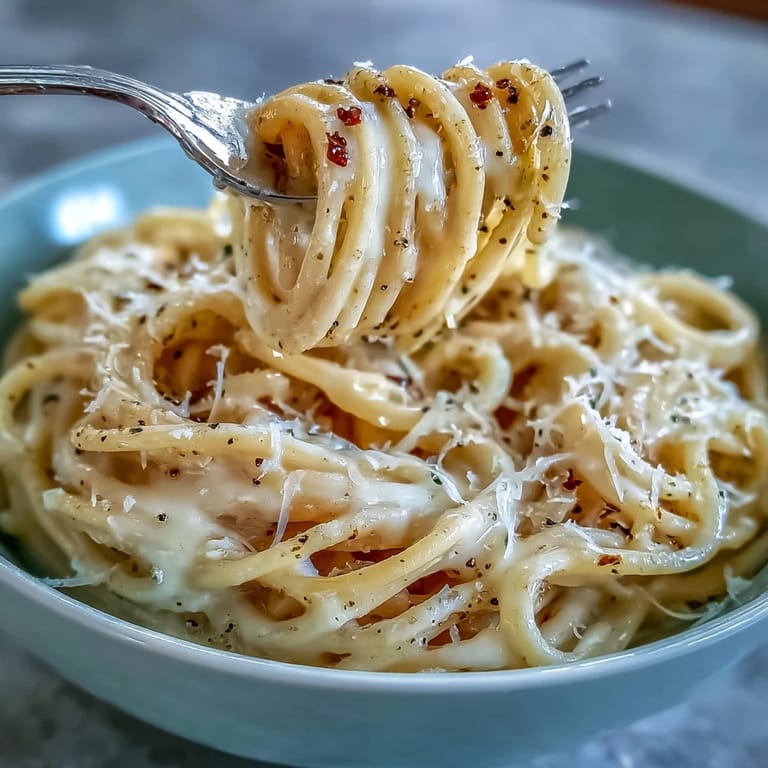
Tonnarelli is the Roman standard, thick and square, designed to catch every bit of creamy, cheesy sauce. But honestly, spaghetti does the job just as well and is what I reach for ninety percent of the time because it is always in my pantry. The key is not the shape, it is cooking it just under al dente so it can finish soaking up flavor in the skillet. I have even used bucatini in a pinch, and the hollow center turned into little tunnels of peppery goodness.
Getting the Sauce Just Right
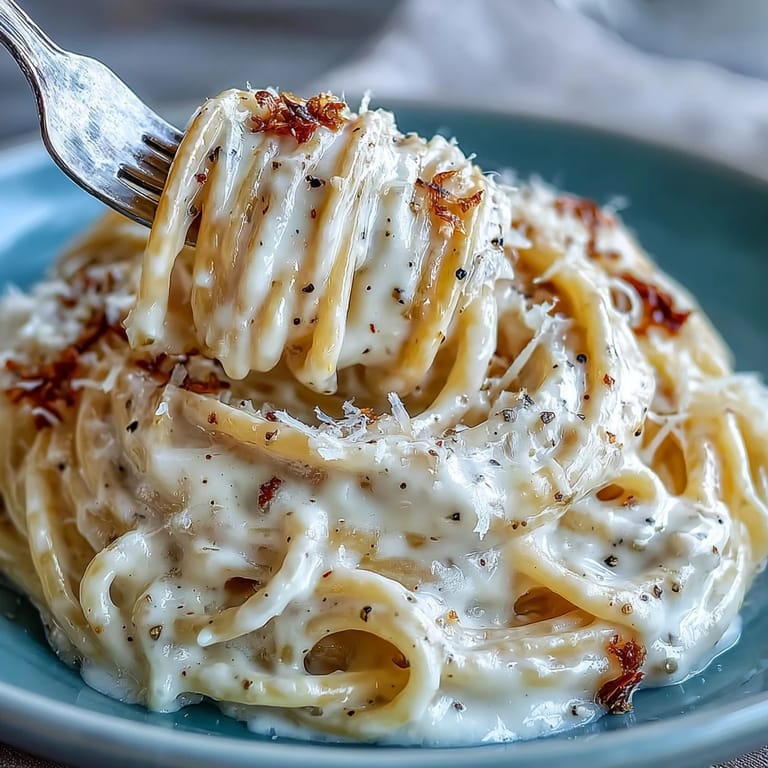
The first time I got the sauce to come together perfectly, I almost cried with relief. It is all about temperature, motion, and pasta water. Off the heat is your mantra, tossing is your religion, and adding water a little at a time is your insurance policy. If it looks too thick, add water. If it looks too thin, keep tossing and let the cheese thicken it. The sauce should cling to each strand like a glossy, peppery hug.
Serving and Pairing
Cacio e pepe does not need much company. I usually serve it on its own with a simple green salad dressed in lemon and olive oil, maybe some crusty bread to mop up any sauce left on the plate. A crisp, cold Frascati or Vermentino cuts through the richness and makes the whole meal feel like a mini vacation. Leftovers are tricky because the sauce does not reheat well, but I have never had any left over anyway.
- Always have extra Pecorino and pepper ready at the table for people who want to go all in.
- Serve it in warm bowls so the sauce stays creamy and does not stiffen up.
- If you are feeling fancy, finish each plate with a drizzle of good olive oil and a few microgreens for color.
 Pin it
 This dish has saved me on busy weeknights, impressed guests on special evenings, and reminded me that the best food does not have to be complicated. All it takes is respect for a few simple ingredients and the willingness to learn from your mistakes.
Recipe FAQs
- → Why does my Cacio e Pepe sauce get clumpy?
The cheese clumps when it's added to pasta that's too hot. Remove the skillet from heat before adding Pecorino Romano, and toss vigorously while adding small amounts of pasta water to maintain a smooth, creamy consistency.
- → Can I use Parmesan instead of Pecorino Romano?
While Parmesan can work in a pinch, Pecorino Romano is essential for authentic flavor. Pecorino has a sharper, saltier taste that defines this dish. For best results, invest in quality Pecorino Romano.
- → What type of pasta works best?
Tonnarelli is the traditional choice, but spaghetti, bucatini, or rigatoni all work beautifully. The key is choosing a pasta shape that holds the creamy sauce well and has enough surface area for the pepper to cling to.
- → How much pasta water should I save?
Reserve at least 1½ cups of starchy pasta water before draining. This liquid gold is essential for creating the creamy sauce and adjusting consistency. The starch helps bind the cheese and water into a silky emulsion.
- → Should I add butter to Cacio e Pepe?
Traditional Roman versions skip the butter, but adding a tablespoon creates extra richness and helps stabilize the sauce. It's a matter of personal preference—purists omit it, while others embrace the added creaminess.
- → How do I prevent the pasta from becoming dry?
Work quickly and serve immediately after tossing. Keep extra pasta water nearby to loosen the sauce if needed. The dish should look glossy and coat the pasta evenly, not thick or paste-like.