 Pin it
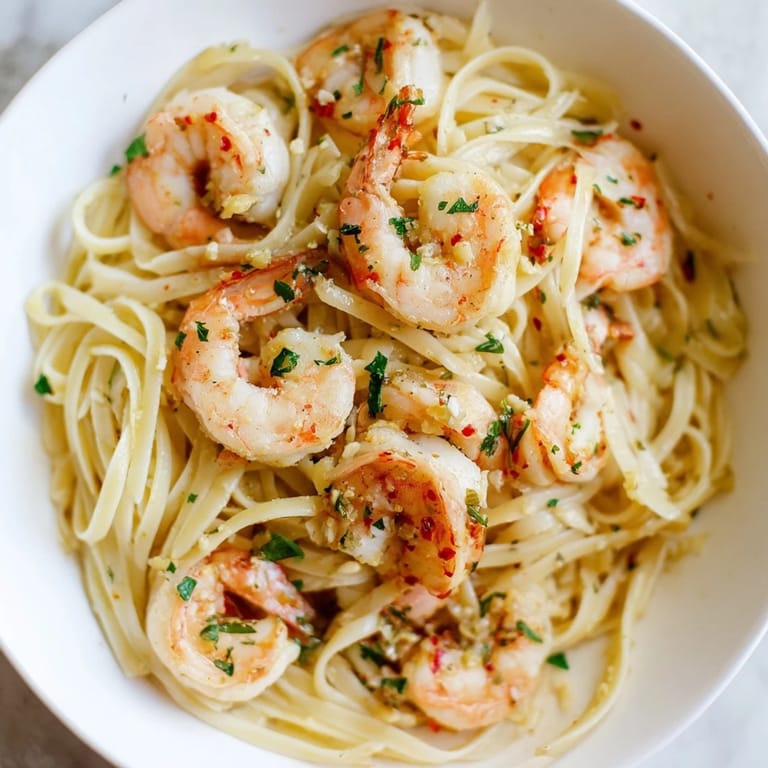
 My neighbor knocked on my door one evening with a bag of shrimp she couldn't use before leaving town. I had linguine in the pantry, butter in the fridge, and about twenty minutes before I needed to be somewhere else. What came together in that rushed moment turned into something I've made at least once a month ever since. The garlic scent filled my tiny kitchen so quickly I almost forgot I was in a hurry, and when I finally sat down to eat, I realized simple ingredients don't need an occasion to feel special.
I made this for my brother the night before he moved across the country. We didn't talk much while we ate, just twirled our forks and soaked up the last bits of lemony butter with bread. He texted me two weeks later asking for the recipe, which made me laugh because there's barely a recipe to give. Sometimes the meals that mean the most are the ones you throw together without thinking.
Ingredients
- Large shrimp, peeled and deveined: Pat them completely dry before cooking or they'll steam instead of sear, and you'll miss that golden edge.
- Linguine pasta: The flat shape holds onto the buttery sauce better than round noodles, but honestly, use what you have.
- Unsalted butter: This is where the richness lives, and using unsalted lets you control the seasoning without things getting too salty.
- Extra virgin olive oil: Mixing it with butter keeps the butter from burning and adds a fruity backbone to the sauce.
- Garlic, minced: Fresh garlic is non-negotiable here, it blooms in the hot fat and perfumes everything.
- Crushed red pepper flakes: Just a pinch gives warmth without actual heat, but skip it if you're cooking for kids.
- Lemon zest and juice: The zest brings brightness, the juice cuts through the butter, together they wake the whole dish up.
- Fresh parsley, chopped: Toss it in at the end for color and a clean, grassy note that balances all that richness.
- Salt and black pepper: Season the shrimp before they hit the pan, then taste and adjust at the end.
- Parmesan cheese: Optional, but a little grated on top adds a salty, nutty finish that makes it feel more complete.
Tired of Takeout? 🥡
Get 10 meals you can make faster than delivery arrives. Seriously.
One email. No spam. Unsubscribe anytime.
Instructions
- Boil the pasta:
- Get your water boiling and salt it like the ocean, then cook the linguine until it still has a little bite. Save half a cup of that starchy water before you drain, it's your secret weapon for making the sauce cling.
- Prep the shrimp:
- While the pasta bubbles away, dry the shrimp with paper towels and season them lightly with salt and pepper. Wet shrimp won't brown, they'll just release water into your pan.
- Bloom the garlic:
- Melt the butter and olive oil together over medium heat, then add the garlic and red pepper flakes. Stir constantly for about a minute until your kitchen smells amazing, but pull it off the heat before the garlic turns brown and bitter.
- Cook the shrimp:
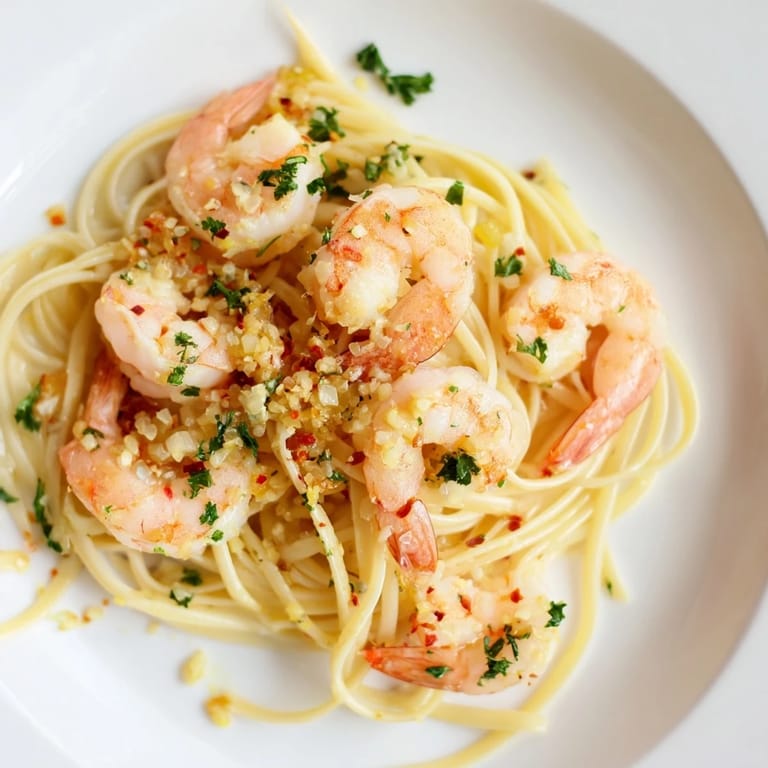
- Lay the shrimp in a single layer and let them sit undisturbed for two minutes, then flip and cook the other side. They're done when they turn pink and opaque, any longer and they get rubbery.
- Add the lemon:
- Stir in the lemon zest and juice, scraping up any browned bits from the bottom of the pan. That's where all the flavor is hiding.
- Toss everything together:
- Add the drained linguine to the skillet and toss it with tongs, adding splashes of pasta water until the sauce coats every strand. It should look glossy, not dry or pooling.
- Finish and serve:
- Turn off the heat and toss in the parsley, then taste and adjust the salt and pepper. Serve it right away while it's hot, with Parmesan on the side if you want.
 Pin it
 One night I doubled the garlic because I was out of wine and needed something bold to balance the butter. My friend still talks about that version, says it's the best thing I've ever made. I'm not sure if that's true, but I do know that sometimes the best cooking happens when you trust your gut and adjust on the fly.
Customizing Your Dish
This recipe is incredibly forgiving and welcomes improvisation. If you have a bottle of dry white wine open, pour a splash into the pan after the garlic blooms and let it reduce by half before adding the shrimp, it adds a sharp, sophisticated layer. Swap the parsley for basil if that's what's in your fridge, or throw in a handful of halved cherry tomatoes for sweetness and color. I've made this with fettuccine, spaghetti, even broken lasagna noodles in a pinch, and it always works.
Timing and Texture
The secret to this dish is synchronizing the pasta and the shrimp so they both finish hot at the same time. Start boiling your water first, then begin prepping the shrimp and garlic while it heats. Once the pasta goes in, you have exactly enough time to cook the shrimp and build the sauce. If your pasta finishes early, toss it with a little olive oil so it doesn't stick, then reheat it gently in the skillet with the sauce. The whole thing should feel like a smooth, quick rhythm once you've done it a couple of times.
Serving and Storage
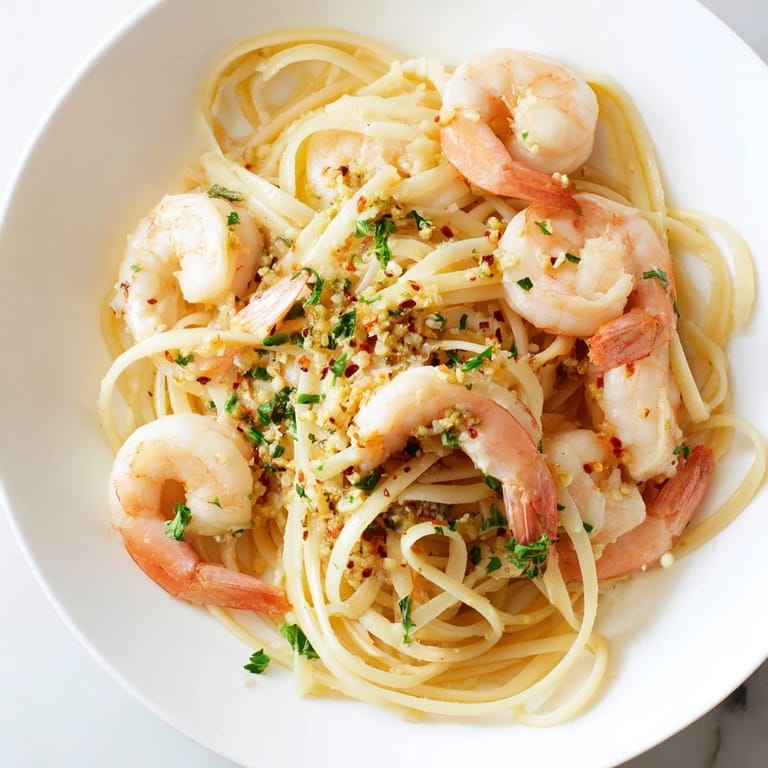
This is the kind of dish that's best eaten the moment it's done, when the butter is still glossy and the shrimp are tender. Leftovers are fine, but the pasta will soak up the sauce overnight and the shrimp can turn a little chewy when reheated. If you do have extras, store them in an airtight container in the fridge and reheat gently with a splash of water or broth to loosen things up. I like to eat any leftovers cold the next day, straight from the container, which is a different experience but still satisfying.
- Serve with crusty bread to soak up every last bit of garlicky butter from the plate.
- A simple arugula salad with lemon vinaigrette cuts through the richness and keeps the meal light.
- Pair with a chilled Sauvignon Blanc or Pinot Grigio, the acidity balances the butter beautifully.
 Pin it
 Every time I make this, I'm reminded that the best meals don't need to be complicated or planned days in advance. Keep good ingredients around, trust your instincts, and you'll always have something worth sitting down for.
Recipe FAQs
- → How do I know when shrimp is cooked through?
Shrimp should turn opaque pink and curl slightly when fully cooked, typically 2 minutes per side depending on size. Overcooked shrimp becomes rubbery, so watch carefully and remove from heat as soon as it's pink.
- → Can I prepare this dish ahead of time?
Cook the linguine and shrimp separately, then combine just before serving to maintain the best texture. The garlic butter sauce can be prepared a few hours ahead and gently reheated when needed.
- → What's the purpose of reserving pasta water?
Pasta water contains starch that helps create a silky, cohesive sauce. Adding it gradually allows you to adjust consistency while helping the sauce cling beautifully to the linguine.
- → Why shouldn't I brown the garlic?
Browned garlic becomes bitter and overpowering. Sauté it just until fragrant for a sweet, mellow flavor that complements the delicate shrimp perfectly.
- → What wines pair best with this dish?
Crisp, acidic white wines like Sauvignon Blanc or Pinot Grigio complement the rich butter and bright lemon beautifully. The acidity cuts through the richness and refreshes your palate between bites.
- → Can I substitute the pasta?
Absolutely. Fettuccine, spaghetti, or even angel hair work wonderfully. Choose based on preference, keeping in mind thinner pastas cook faster while wider ribbons hold sauce better.