 Pin it
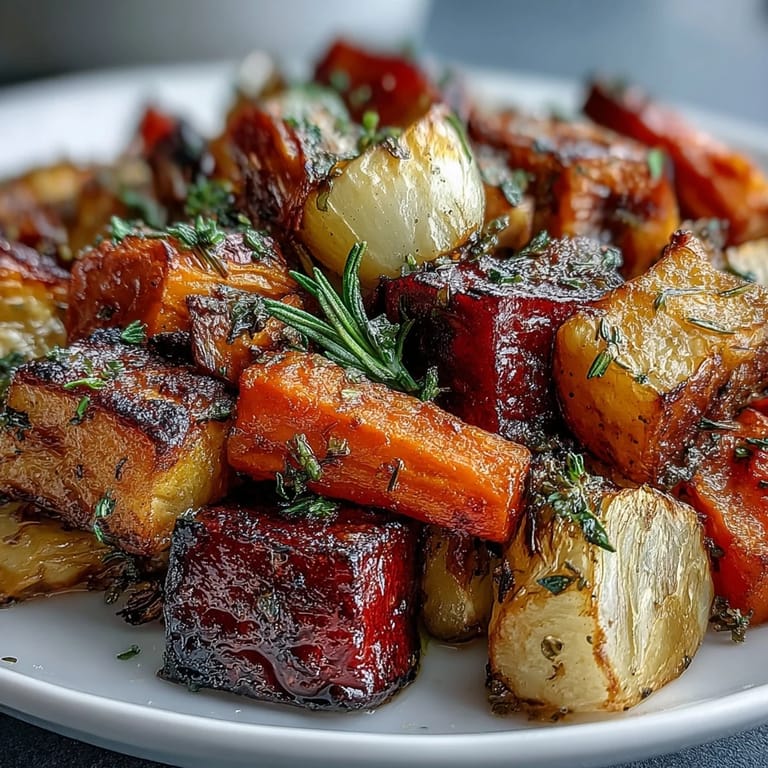
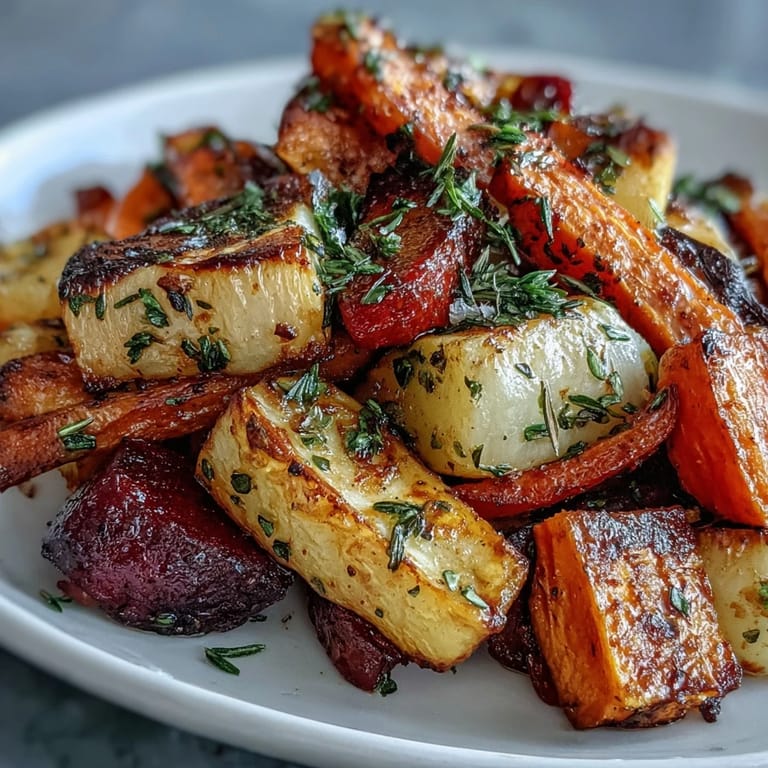
 There's something almost meditative about the sound of a knife hitting a cutting board, each carrot slice falling into rhythm. One autumn afternoon, I found myself with a farmers market haul that needed rescuing—carrots, parsnips, beets—all those earthy vegetables that seemed to whisper they belonged together. I tossed them in oil and herbs, slid the pan into a hot oven, and forty minutes later, something magical had happened: the vegetables had caramelized into this golden, sticky-edged masterpiece that tasted like pure autumn comfort. It wasn't fancy, but it was honest food.
I served this to friends one chilly October evening when everyone was skeptical about a vegetable-only side dish. By the second helping, they were asking for the recipe—and honestly, I think it was because the vegetables had caramelized so deeply that they tasted almost like candy, but savory. One friend actually asked if I'd added brown sugar, and when I said no, she looked genuinely shocked.
Ingredients
- Carrots and parsnips: These are your sweetness anchors—they caramelize beautifully and create that sticky-edged texture everyone loves, so don't skip cutting them into uniform pieces.
- Sweet potato and beets: They add earthiness and that jewel-toned color that makes the dish feel special on the plate.
- Rutabaga or turnip: This brings a subtle peppery note that keeps everything interesting instead of one-note sweet.
- Olive oil: Use good oil you actually like the taste of, because three tablespoons is all that stands between your vegetables and the heat.
- Kosher salt and black pepper: Season generously before roasting so the flavor builds as they caramelize, not just sits on top.
- Fresh herbs (thyme and rosemary): If you can grab fresh from the garden or store, do it—dried works, but fresh will make you feel like you've made something special.
- Garlic and parsley: The garlic melts into sweet, mellow gold if you roast it alongside everything, and the parsley at the end adds a fresh exhale to all that richness.
Tired of Takeout? 🥡
Get 10 meals you can make faster than delivery arrives. Seriously.
One email. No spam. Unsubscribe anytime.
Instructions
- Heat your oven and prep your pan:
- Get the oven to 425°F and line your baking sheet with parchment paper so nothing sticks and cleanup is almost effortless. This temperature is hot enough to caramelize but not so hot that the vegetables char before they soften.
- Combine and season:
- Toss all your cut vegetables together in a bowl, drizzle the olive oil over them, and add your salt, pepper, and herbs. The goal is every piece gets a light coating of oil and seasoning—don't be shy, because this is what creates that caramelized crust.
- Spread and roast:
- Spread everything in a single layer on your baking sheet, which sounds fussy but matters because it means they roast instead of steam. After about twenty minutes, give everything a stir so the pieces that touched the pan get a turn in the heat.
- Know when it's done:
- You're looking for golden edges and tender insides—a fork should slide through easily and the vegetables should smell sweet and slightly caramelized. This usually takes thirty-five to forty minutes depending on your oven's personality.
- Finish and serve:
- Scatter with fresh parsley if you've got it, taste for salt, and serve while everything is still warm and the edges are still a little sticky.
 Pin it
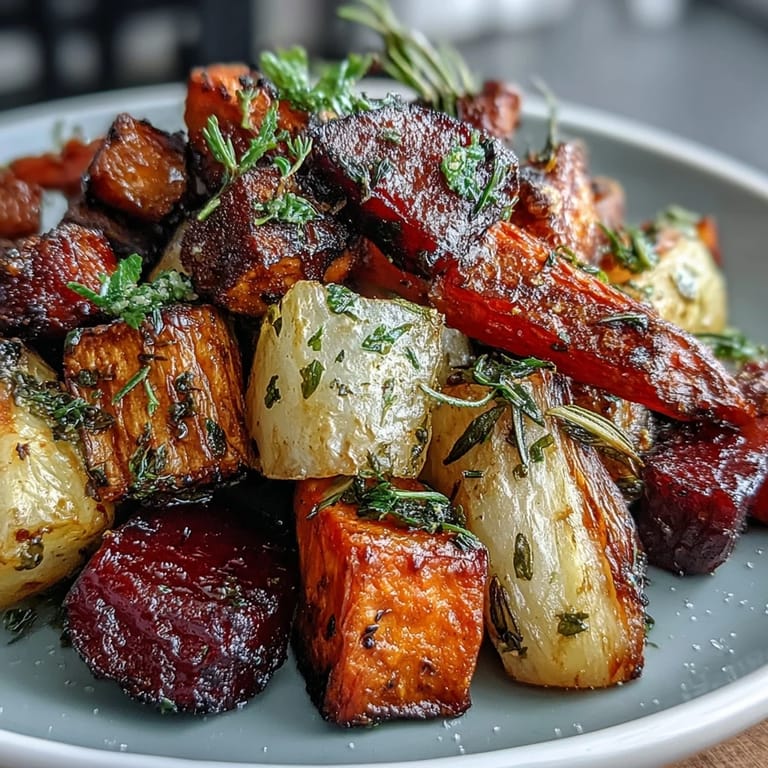
 There's a moment when you pull a pan out of the oven and the kitchen fills with this smell—caramelized sweet potato, roasted herbs, a little char on the edges—and you just know you've made something people will actually want to eat. That's when this dish stops being a side and becomes the thing everyone reaches for first.
Why This Works for Every Season
In fall, when root vegetables hit their peak, this dish tastes like the season itself. But here's the secret: it works just as well in winter when fresh vegetables are scarce, because root vegetables store so well. Spring? Use them as a base for a grain bowl. Summer? It's fine cold the next day if you somehow have leftovers. This recipe is patient and flexible, which is why it keeps showing up on my table year after year.
The Vegetable Swaps That Always Work
You don't need to use exactly what I listed—this recipe is forgiving that way. Potatoes, celeriac, sunchokes, even regular beets instead of golden ones all roast beautifully alongside each other. The magic is in the high heat and the patience to let them caramelize, not in any single vegetable being mandatory. I've made this with what was in my crisper drawer more times than with what a recipe told me to buy.
Small Changes That Make a Big Difference
Sometimes I add a splash of balsamic vinegar right before serving, which adds a sweet-tart note that makes people pause and ask what that flavor is. Other times I've tossed everything with fresh herbs instead of dried, or added a sprinkle of smoked paprika for depth. The vegetables are sturdy enough to handle experimentation, which means you can adjust this to fit whatever you're craving.
- A squeeze of honey or maple syrup before roasting deepens the caramelization and adds glossy shine.
- Red pepper flakes scattered on top add heat that balances the natural sweetness.
- A drizzle of good vinegar—balsamic, apple cider, or sherry—right before serving adds brightness that ties everything together.
 Pin it
 This is the side dish you'll return to again and again, quietly confident that it'll taste good no matter what else is on the plate. It's the kind of recipe that makes you feel like you know what you're doing in the kitchen, even if you're just letting the oven do most of the work.
Recipe FAQs
- → What temperature produces the best caramelization?
Roasting at 425°F creates ideal caramelization. The high heat transforms natural sugars into golden, crispy edges while keeping interiors fork-tender.
- → Can I prepare vegetables ahead of time?
Yes, peel and cut vegetables up to 24 hours in advance. Store in an airtight container with cold water to prevent browning, then pat dry before roasting.
- → Which root vegetables work best together?
Carrots, parsnips, sweet potatoes, and beets offer balanced sweetness. Turnips or rutabaga add subtle bitterness that complements the sugary varieties.
- → How do I prevent vegetables from steaming instead of roasting?
Spread vegetables in a single layer with space between pieces. Overcrowding causes steaming, while proper spacing allows edges to brown and crisp beautifully.
- → What herbs enhance natural root vegetable flavors?
Hardy herbs like rosemary and thyme withstand high roasting temperatures. Their piney, earthy notes complement the inherent sweetness of root vegetables perfectly.