 Pin it
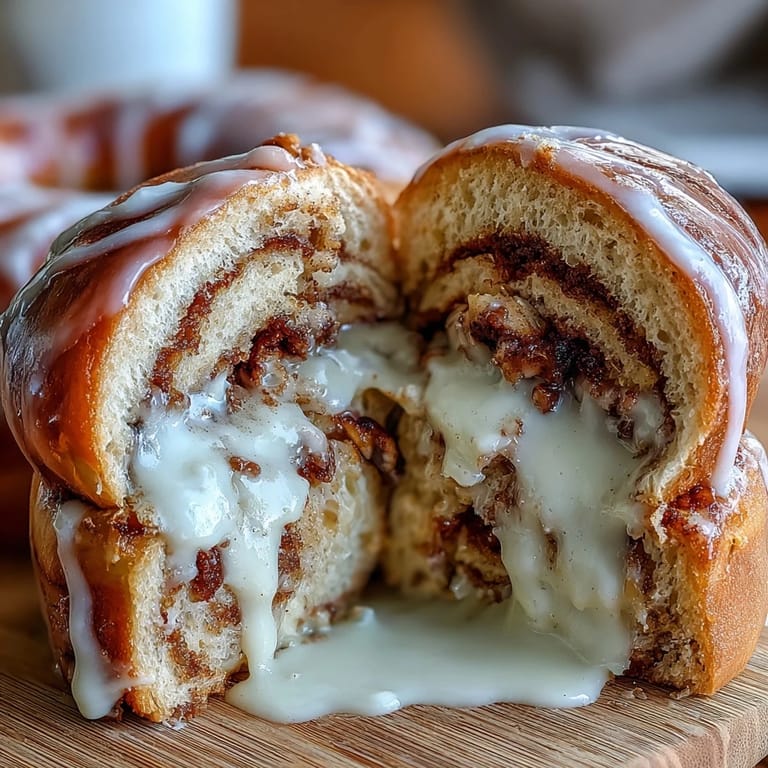
 There's a particular kind of satisfaction that comes from pulling a warm, chewy bagel out of the oven and realizing you've just made something that tastes like the bakery around the corner—except it's loaded with protein and actually good for you. I stumbled onto this recipe during one of those mornings when I was tired of choosing between a quick breakfast and a nutritious one, and these cinnamon swirl protein bagels became my answer. The vanilla Greek yogurt glaze on top feels like a gentle indulgence, sweet enough to feel special but light enough that you don't feel weighed down afterward. What surprised me most was how forgiving the dough is—even when I forgot to check the rising time and let them go a bit longer than intended, they still turned out soft and pillowy.
I made these for my neighbor on a Saturday morning when she mentioned she'd been struggling to find breakfast foods that didn't spike her blood sugar, and watching her face light up when she bit into one—that slightly shocked expression when she realized it was actually homemade—that's when I knew this recipe was worth keeping in rotation. She came back three days later asking if I could teach her, and we spent a quiet afternoon in the kitchen, her hands learning the feel of properly kneaded dough while we talked through life stuff. Those bagels became the background to a much longer friendship moment.
Ingredients
- Bread flour (2 cups): Use bread flour instead of all-purpose because the higher gluten content gives you that authentic chewy texture—all-purpose will work in a pinch but the bite just isn't quite the same.
- Vanilla protein powder (1 cup): This is your secret weapon; it adds structure to the dough and keeps the bagels satisfying, and vanilla plays beautifully with the cinnamon swirl.
- Active dry yeast (2 ¼ tsp): Make sure yours isn't expired—this is one of those ingredients where freshness actually matters, so if your yeast has been sitting in a warm cabinet for two years, grab a new packet.
- Warm water (1 cup): Too hot and you'll kill the yeast; too cold and nothing happens—110°F is the sweet spot, which feels warm to your pinky but not uncomfortable.
- Brown sugar (¼ cup) and ground cinnamon (2 tsp): These two are what make people close their eyes and smile when they take a bite, so don't skimp on the cinnamon and use real stuff, not that stale tin from the back of your spice rack.
- Greek yogurt (½ cup) for the glaze: Plain yogurt works if that's what you have, but vanilla Greek yogurt adds an extra layer of flavor that makes the glaze feel less like an afterthought.
Tired of Takeout? 🥡
Get 10 meals you can make faster than delivery arrives. Seriously.
One email. No spam. Unsubscribe anytime.
Instructions
- Mix your dry foundation:
- In a large bowl, whisk together bread flour, vanilla protein powder, sugar, and salt—this distributes everything evenly so you don't end up with pockets of unsweetened dough later. Take a moment to smell it; that vanilla-protein combo should already be making you excited.
- Activate the yeast:
- Dissolve yeast in warm water and let it sit for about 5 minutes until it gets foamy on top—that foam is proof the yeast is alive and ready to work, so if you don't see it, your water was probably the wrong temperature. This step takes less than a minute but it's honestly the most important moment of the whole recipe.
- Bring the dough together:
- Pour the yeast mixture and melted butter into your dry ingredients and mix until everything comes together into a shaggy dough—it'll look rough and needs kneading, which is exactly right.
- Knead with purpose:
- Turn the dough onto a lightly floured surface and knead for 6 to 8 minutes, working it with the heel of your hand, folding it back over itself, turning it slightly—you'll feel it go from sticky and stubborn to smooth and elastic, and that transformation is satisfying. If your arms get tired, that's fine; you're building the gluten structure that makes bagels bagels and not just bread rolls.
- Let it rise in peace:
- Place the dough in a lightly oiled bowl, cover it with a damp towel or plastic wrap, and set it somewhere warm for 30 to 40 minutes until it's roughly doubled in size. A warm corner of your kitchen, an oven with the light on, or even a sunny windowsill all work.
- Prepare your cinnamon swirl filling:
- While the dough rises, mix softened butter, brown sugar, and cinnamon in a small bowl until it looks like wet sand—this is your filling and it's what people will taste first, so don't rush this part.
- Roll and swirl:
- Punch down your risen dough (this is surprisingly cathartic), then roll it out on a floured surface into a 10 by 14 inch rectangle about ¼ inch thick. Spread the cinnamon mixture evenly over the whole thing, trying to reach all the edges, then roll it up tightly from the long side like you're making cinnamon rolls.
- Cut into pieces:
- Using a sharp knife or a bench scraper, cut the roll into 8 equal pieces—you can eyeball this or measure if you're feeling precise. Each piece should look like a spiral cinnamon roll, and that's exactly what it is at this point.
- Shape into bagels:
- Take each piece and roll it gently into a ball between your palms, then poke a hole through the center with your thumb and gently stretch it into a bagel shape with a hole about the size of a quarter. It feels a bit like the bagels are taking shape under your hands, which they are.
- Let them rest briefly:
- Place shaped bagels on parchment paper, cover them loosely, and let them rest for 10 minutes while you preheat your oven to 375°F.
- Boil with purpose:
- Bring 2 quarts of water with 2 tablespoons of honey to a gentle boil—the honey adds subtle sweetness and helps develop that traditional bagel crust. Carefully lower bagels into the water a few at a time and boil for 30 seconds per side; they should sink initially, then float, and you want them out after a quick 30-second flip—this brief bath is what creates that chewy interior texture.
- Bake until golden:
- Return boiled bagels to your parchment-lined baking sheet and bake for 18 to 20 minutes until they're golden brown on top and smell absolutely incredible. Your kitchen will smell like a fancy bagel shop, which is honestly half the point.
- Make the glaze while they cool:
- Whisk together Greek yogurt, powdered sugar, vanilla extract, and milk (starting with just 1 teaspoon) until you have a smooth, drizzle-able consistency—you can always add more milk if it's too thick. Taste it; adjust sweetness if needed.
- Finish with glaze:
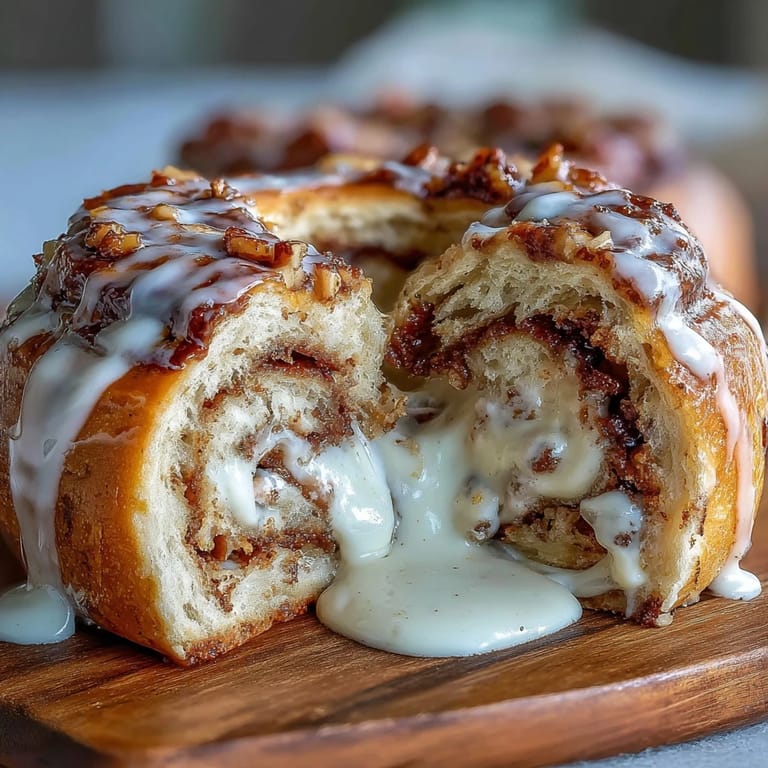
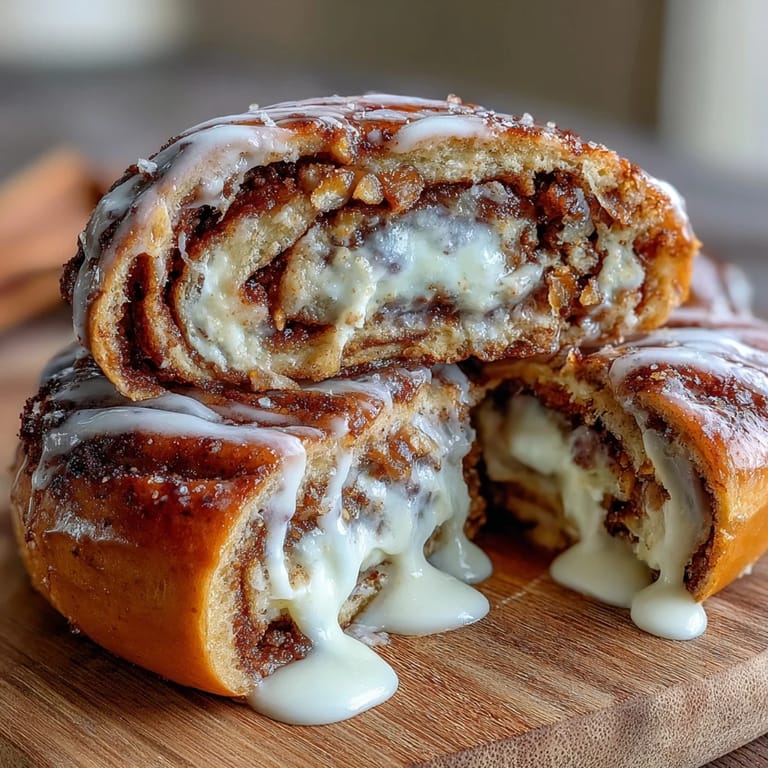
- Once the bagels have cooled to room temperature on a wire rack, drizzle the glaze over each one in whatever pattern feels right—you can do neat lines, a generous pool on top, or just let it drip naturally.
 Pin it
 There was this one Thursday evening when I'd made a fresh batch and my kid came home from school in one of those moods—frustrated, tired, not talking much—and I handed them a still-warm bagel with that vanilla glaze dripping down the side. The whole mood shifted; they sat down, took a bite, and suddenly we were having an actual conversation again. Food doesn't fix everything, but sometimes it creates the exact right moment for things to soften.
The Science of Protein in Your Bagels
When you add a full cup of protein powder to the dough, you're not just bumping up the nutritional numbers—you're actually changing how the gluten develops and how the dough rises. The protein creates a slightly denser crumb structure, which is exactly what you want in a bagel because it means each bite stays satisfying and doesn't just dissolve on your tongue like regular bread would. The vanilla protein powder also contributes subtle flavor that works in harmony with the cinnamon instead of fighting against it, which was something I discovered by accident when I tried chocolate protein once and regretted it immediately.
Storage and Making Ahead
These bagels freeze beautifully, which is honestly why I make them in batches—I'll wrap each cooled bagel individually in foil or plastic wrap and stack them in a freezer container, and they keep for about three weeks. When you want one, just pull it out the night before and let it thaw at room temperature, then add the glaze fresh. I learned not to glaze before freezing because the yogurt-based glaze gets weird and weepy when it thaws, but fresh glaze on a thawed bagel is almost as good as the day you made it, and sometimes that's all you need to make a weekday morning feel a little less ordinary.
Flavor Variations Worth Trying
Once you've made these once and feel comfortable with the technique, you can play around—chocolate protein powder makes a decadent version (pair it with a simple cocoa-powdered glaze), birthday cake protein feels ridiculous but works, and even unflavored protein powder lets the cinnamon shine without any competing sweetness. I've also added chopped pecans or walnuts directly into the cinnamon swirl filling for people who like texture, and chopped dark chocolate in there once for someone who was deeply into experimenting. The dough technique stays exactly the same; only your fillings and flavorings change.
- Toast your finished bagels before eating them the second day—it brings back that fresh-from-the-oven texture and makes the glaze taste creamier.
- If you don't have vanilla extract for the glaze, a tiny pinch of almond extract or even maple extract changes the whole flavor profile in interesting ways.
- Make the cinnamon swirl filling a day ahead and keep it covered in the fridge; one less thing to think about on morning you actually make the bagels.
 Pin it
 Making bagels from scratch is one of those kitchen projects that sounds more complicated than it actually is, and once you've done it once, it becomes something you come back to. These protein bagels have become part of my regular rotation because they taste good, they're genuinely nutritious, and there's something grounding about the whole process from mixing through shaping to finally biting into something warm and cinnamon-sweet.
Recipe FAQs
- → What protein powders work best for these bagels?
Both whey-based and plant-based vanilla protein powders blend well, adding nutrition without overpowering flavors.
- → How does the cinnamon swirl affect the flavor?
The cinnamon and brown sugar mixture creates a warm, sweet contrast that complements the dough's mild taste.
- → Why are the bagels boiled before baking?
Boiling with honey sets the dough's surface, promoting a chewy texture and shiny crust after baking.
- → Can I add nuts to the swirl filling?
Yes, chopped pecans or walnuts enhance crunch and flavor when mixed into the cinnamon swirl.
- → What is the purpose of the vanilla Greek yogurt glaze?
The glaze adds a creamy, mildly sweet finish that balances the cinnamon spice and enriches each bite.