 Pin it
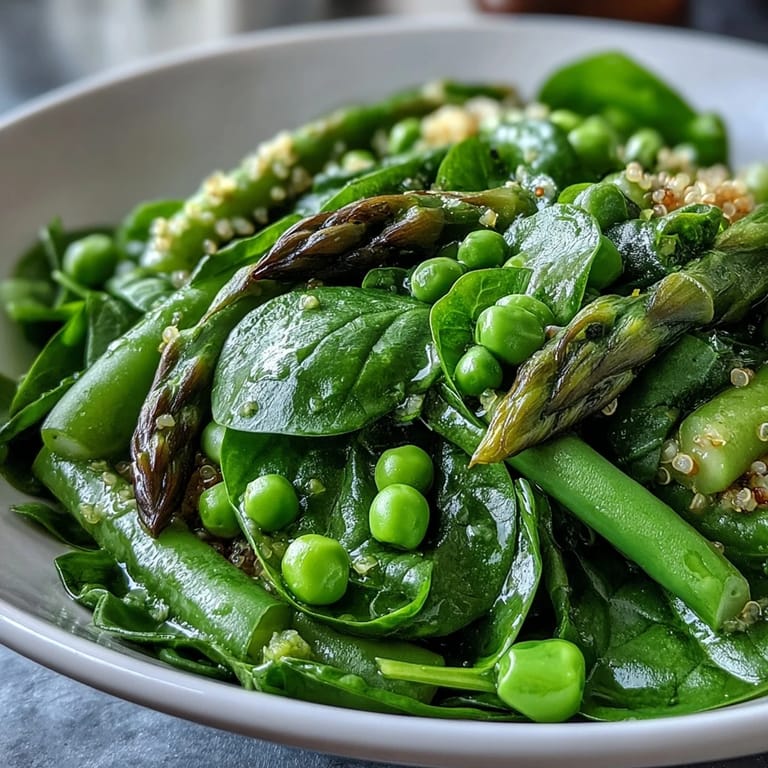
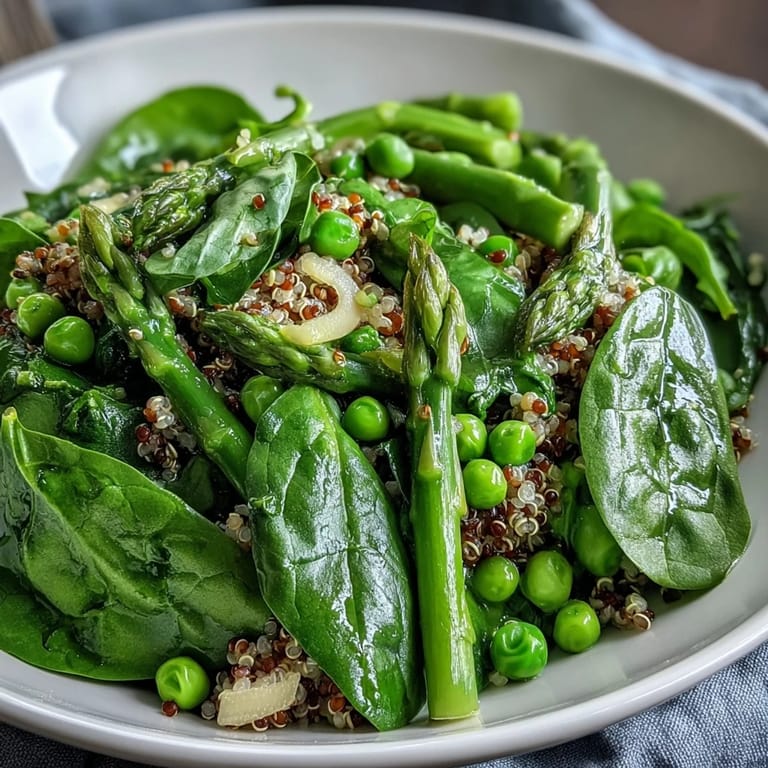
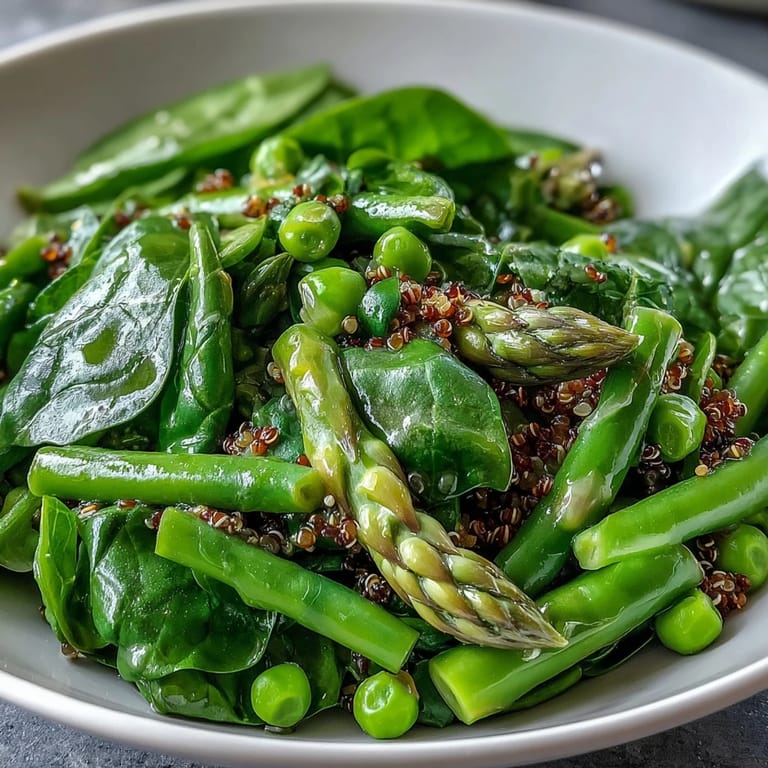
 Last spring, I was standing in my kitchen on a gray Tuesday afternoon, staring at a farmers market haul that somehow felt both abundant and demanding. Asparagus, bright green beans, fresh peas still in their pods—all of it seemed to be racing against time. That's when I started layering everything over quinoa with a sharp lemon dressing, and what emerged was this bowl that tasted like the season finally arriving. It's become my go-to reminder that sometimes the best meals come from working with what's in front of you.
I made this for my coworker's birthday potluck, and I watched people who normally went straight for the pasta salad actually fill their plates with vegetables. Someone asked for the recipe right there in the break room, and that's when I knew it had crossed over from weeknight dinner to something I'd be making for everyone.
Ingredients
- Quinoa, brown rice, or farro (1 cup): Pick whichever grain you have on hand or rotate them based on mood—quinoa cooks fastest and has a lovely nutty bite, while brown rice is earthier and more forgiving if you're not paying close attention.
- Water (2 cups) and salt (½ tsp): The salt goes in the cooking water, which seems small but makes a real difference in how the grains taste on their own.
- Fresh or frozen peas (1 cup): Frozen peas are honestly just as good here and sometimes better because they're picked at peak ripeness, so don't feel guilty using them straight from the bag.
- Asparagus (1 cup trimmed): Hold each spear near the middle and bend until it snaps naturally—that's your signal for where to cut, and it saves you from the woody bottom bits.
- Green beans (1 cup trimmed): Same snap-and-trim approach works here, and keeping them in 2-inch pieces means they cook evenly and don't scatter around your bowl.
- Baby spinach (2 cups): The baby spinach wilts down to almost nothing, which surprises people the first time they see it, but that's exactly what you want.
- Extra-virgin olive oil (3 tbsp): This is the dressing base, so use one you actually like tasting, not the sad bottle in the back of your cabinet.
- Freshly squeezed lemon juice (2 tbsp) and lemon zest (1 tsp): Fresh lemon juice makes a noticeable difference—bottled just tastes flat by comparison, and the zest adds brightness that sneaks up on you with every bite.
- Dijon mustard (1 tsp): The mustard acts as an emulsifier and adds a subtle tang that anchors the whole dressing.
- Maple syrup or honey (1 tsp): Just a touch of sweetness to balance the acid from the lemon and create that rounded flavor.
- Garlic clove (1 small, minced): One clove is enough—you want a whisper of garlic, not a shout, and mincing it fine helps it distribute evenly through the dressing.
- Salt and black pepper: Taste as you go because the dressing needs its own seasoning on top of what's in the grains.
- Toasted pumpkin or sunflower seeds (2 tbsp optional): These add a crunch that makes the whole bowl feel more interesting, and toasting them first brings out their flavor.
- Crumbled feta (¼ cup optional): Skip this if you're going vegan, but if you use it, a good sharp feta makes the whole thing feel special.
- Fresh herbs like mint, parsley, or dill: A small handful chopped just before serving keeps them bright and aromatic.
Tired of Takeout? 🥡
Get 10 meals you can make faster than delivery arrives. Seriously.
One email. No spam. Unsubscribe anytime.
Instructions
- Rinse and cook your grains:
- Run your grains under cold water to remove any dust or debris, then bring the salted water to a rolling boil before adding them in. Once they're in, turn the heat down low, cover the pot, and let them steam quietly until they're tender—you want them cooked through but not mushy, which is why checking the package directions matters.
- Blanch the spring vegetables:
- Get a big pot of salted water going, and work through your peas, asparagus, and green beans one type at a time, keeping them in the boiling water for just 2 to 3 minutes each. The ice water bath stops them cold and locks in that bright green color—don't skip this step because it's what keeps everything from turning army-green and sad.
- Wilt the spinach gently:
- Heat a skillet over medium heat and add your spinach with no oil or water—just let it collapse under its own weight for a minute or two. You're not trying to cook it into submission, just soften it enough that it gets cooperative.
- Whisk the lemon dressing:
- Pour the olive oil, lemon juice, zest, mustard, sweetener, and minced garlic into a small bowl and whisk until it comes together into something smooth and emulsified. Taste it and adjust the salt and pepper because this is where you build the backbone of the whole bowl.
- Assemble each bowl with intention:
- Start with your warm or cooled grains as the base, then arrange the vegetables on top in whatever pattern makes you happy—there's something nice about seeing the colors layered. Drizzle the dressing right before serving so everything stays distinct and bright.
- Top and serve right away:
- Scatter your seeds, feta if you're using it, and fresh herbs over the top, and bring it to the table while everything is still fresh and hasn't started getting soggy.
 Pin it
 My favorite moment with this bowl came when my ten-year-old nephew asked for seconds and then asked what was in it—he was genuinely shocked to learn it was mostly vegetables. It became this little victory that food doesn't have to be complicated to be loved, and sometimes the simplest bowls are the ones people remember.
Building Bowls That Last
One of the reasons this bowl works so well is that you can make it ahead and it actually gets better after sitting for a few hours—the grains absorb some of the dressing and everything starts to marry together. The trick is keeping the dressing separate and the vegetables in their own container, then assembling right before you eat so you get the best of both worlds: flavors that have had time to get to know each other, and textures that are still alive and interesting.
The Grain Choice Matters
I've made this with quinoa when I'm in a hurry because it cooks fastest and has a natural nutty flavor that plays well with lemon. Brown rice makes it feel more grounding and substantial, while farro has this chewy texture that's almost satisfying on its own. The vegetables and dressing work with all of them, so pick based on what you have time for and what mood you're in—sometimes the practical choice is the right choice.
Seasonality and Swaps
This bowl is a love letter to spring, but it's flexible enough to work in other seasons if you adapt the vegetables. Summer corn and zucchini, fall roasted Brussels sprouts and carrots, winter kale and root vegetables—the formula stays the same but the personality changes with what's available and what your body seems to want. The lemon dressing works across all of these because lemon is bright enough to match whatever season you're cooking in.
- Swap any grain you like, even bulgur or couscous if you want something lighter.
- Add grilled chicken, tofu, or a handful of chickpeas for extra protein and substance.
- Make it ahead by keeping the dressing and toppings separate until the moment you eat.
 Pin it
 This bowl became part of my regular rotation because it never feels like an obligation or something I'm forcing down to be healthy. It just tastes good and makes me feel better, which is honestly the mark of a recipe worth keeping around.
Recipe FAQs
- → What grains work best in this bowl?
Quinoa, brown rice, and farro all provide excellent texture and nutrition. Quinoa cooks fastest at 15 minutes, while brown rice takes about 35 minutes. Bulgur or couscous make great alternatives if you prefer a lighter base.
- → Why blanch the vegetables separately?
Each vegetable requires slightly different cooking time to reach perfect tenderness. Blanching separately prevents overcooking and ensures each vegetable maintains its bright green color and crisp-tender texture. The ice water bath immediately stops the cooking process.
- → Can I make this ahead for meal prep?
Absolutely. Cook the grains and vegetables in advance, storing them separately in airtight containers. Keep the dressing in a small jar. Assemble bowls when ready to eat, adding fresh garnishes just before serving for best texture and flavor.
- → How do I make this bowl more protein-rich?
Top with grilled chicken strips, baked tofu, or roasted chickpeas. Adding a cup of cooked chickpeas to the grain mixture also boosts protein. Even without additions, the quinoa provides approximately 8 grams of protein per serving.
- → What vegetables can I substitute seasonally?
Snap peas, broccolini, or zucchini work beautifully in spring and summer. During fall and winter, try roasted Brussels sprouts, butternut squash, or kale. Adjust cooking times accordingly—root vegetables may need roasting instead of blanching.
- → Is the dressing adjustable?
Yes, the lemon dressing easily adapts to your taste. Add more maple syrup for sweetness, extra garlic for depth, or increase Dijon for tanginess. For a creamy version, whisk in a tablespoon of Greek yogurt or tahini.