 Pin it
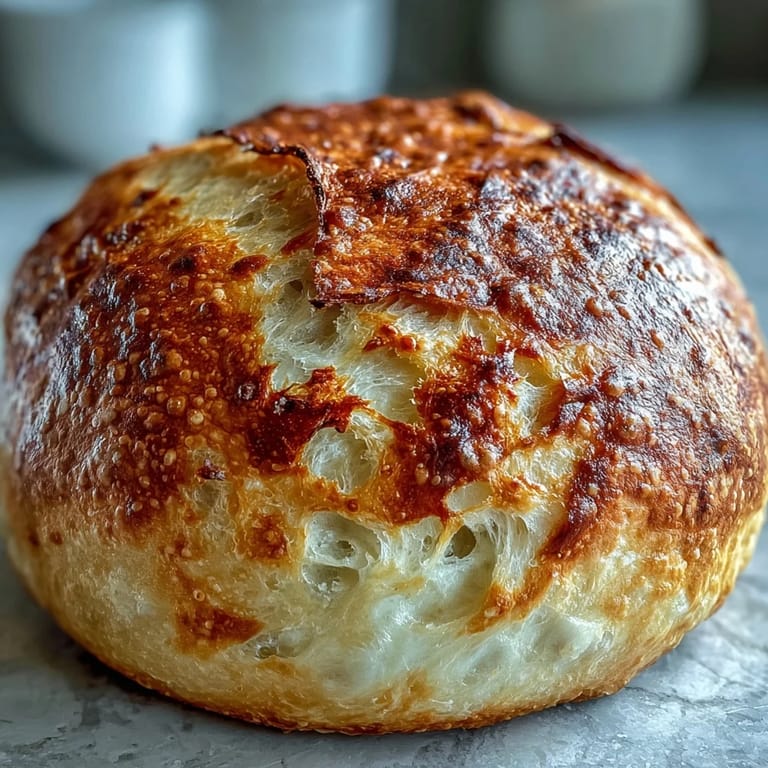
 Sourdough Pizza Dough is a flavorful, chewy, and crisp pizza dough made with natural sourdough starter—perfect for artisan-style pizzas at home. This recipe captures the essence of traditional Italian crust with a modern, natural fermentation twist.
Pin it The process requires patience, with a total time of 8.5 to 12.5 hours, but the active preparation is only 20 minutes. Most of the magic happens while the dough rests and rises, allowing the sourdough starter to work its natural leavening power.
Ingredients
Tired of Takeout? 🥡
Get 10 meals you can make faster than delivery arrives. Seriously.
One email. No spam. Unsubscribe anytime.
- Dough
- 500 g bread flour (3 ⅓ cups)
- 325 g water, at room temperature (1 ⅓ cups plus 1 tablespoon)
- 100 g active sourdough starter (about ½ cup)
- 12 g fine sea salt (2 teaspoons)
- 15 g olive oil (1 tablespoon, optional for a softer dough)
Instructions
- Step 1
- In a large mixing bowl, combine the bread flour and water. Stir until just combined. Cover and let rest for 30 minutes (autolyse).
- Step 2
- Add the sourdough starter and salt (plus olive oil, if using). Mix by hand or with a stand mixer until a sticky dough forms.
- Step 3
- Knead the dough for 5–7 minutes until smooth and elastic, or use the stretch-and-fold technique every 30 minutes for 2 hours (4 folds total).
- Step 4
- Cover the bowl and let the dough rise at room temperature for 6–8 hours, or until doubled in size and bubbly.
- Step 5
- Turn the dough onto a lightly floured surface. Divide in half for two large pizzas. Shape each piece into a tight ball.
- Step 6
- Place the dough balls on a tray, cover, and let rest for 1–2 hours at room temperature, or cold ferment in the refrigerator for up to 24 hours for deeper flavor.
- Step 7
- When ready to bake, preheat your oven to the highest temperature (ideally 475–500°F / 250–260°C) with a pizza stone or steel inside.
- Step 8
- Stretch each dough ball into a 12-inch (30 cm) round. Add your favorite toppings.
- Step 9
- Transfer to the hot stone or steel and bake for 10–15 minutes, or until the crust is puffed and golden with crisp edges.
Zusatztipps für die Zubereitung
For best results, use an active, bubbly starter. Cold fermenting the dough in the fridge for up to 48 hours develops significantly more flavor. If you don't have bread flour, all-purpose flour works but will yield a slightly softer crust.
Varianten und Anpassungen
This recipe is vegetarian and contains gluten. For a softer dough, ensure you include the optional 15 g of olive oil. If you are sensitive to allergens, always check ingredient labels for cross-contamination as flour is not always certified allergen-free.
Serviervorschläge
This recipe yields 2 large pizzas, which serves 4–6 people. Pair your pizza with a light Italian red wine or a crisp lager. Each serving of the dough alone contains approximately 260 calories, 8 g of protein, and 53 g of carbohydrates.
 Pin it
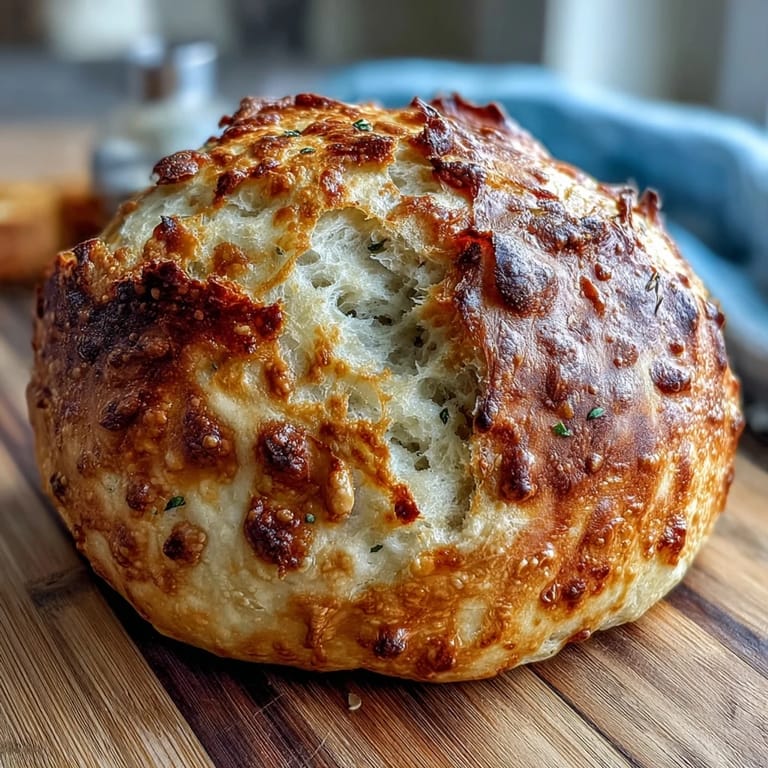
 With a naturally bubbly starter and a bit of patience, you can create a sourdough crust that rivals any artisan pizzeria. Enjoy the crisp edges and flavorful crumb of your homemade sourdough pizza.
Recipe FAQs
- → How long should the dough rest before baking?
The dough needs 6–8 hours of room temperature rising, plus an additional 1–2 hours resting after shaping, or a cold ferment up to 24 hours for deeper flavor.
- → What flour type works best for this dough?
Bread flour produces a chewier crust, but all-purpose flour can be used for a softer texture.
- → Can olive oil be added to the dough?
Yes, adding 1 tablespoon of olive oil softens the dough and enhances texture, but it’s optional.
- → What oven temperature is ideal for baking?
Preheat the oven to 475–500°F (250–260°C) with a pizza stone or steel for best results.
- → How does cold fermenting affect the dough?
Cold fermenting up to 48 hours develops deeper flavor and improves the dough’s texture.
- → What is the stretch-and-fold technique?
This involves gently stretching and folding the dough every 30 minutes during the first 2 hours to build gluten strength and elasticity.