 Pin it
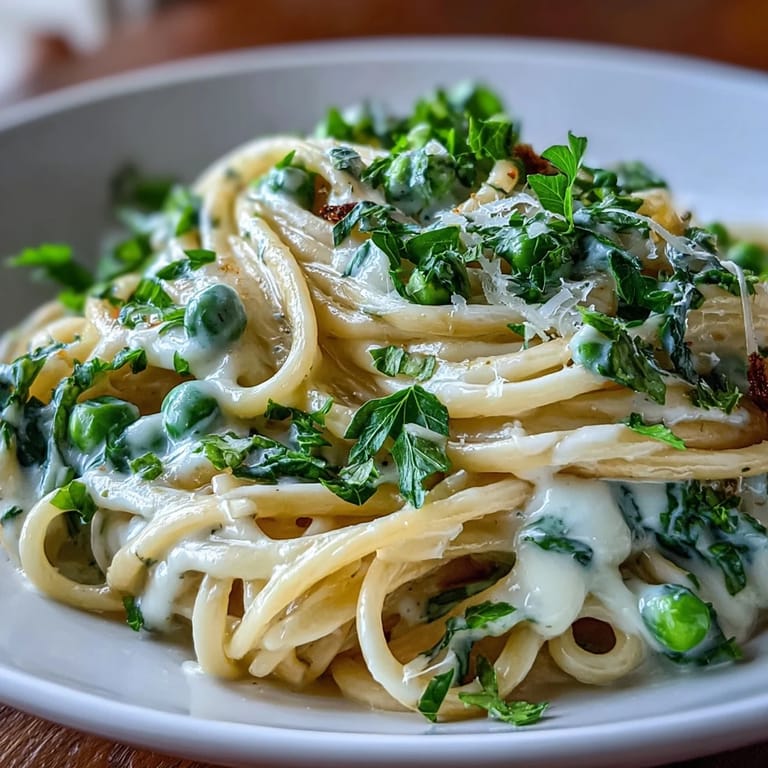
 Last spring, my neighbor stopped by just as I was staring at a half-empty fridge, wondering what could possibly come together in under thirty minutes. She spotted the lemon on my counter and the forgotten bag of frozen peas, and before I knew it, we were melting butter and filling the kitchen with that incredible citrus-garlic aroma. That simple moment taught me that the best meals often come from constraint, not abundance. This lemon butter pasta became my go-to when I need something that feels both elegant and effortless.
I made this for a dinner party on a Wednesday night when everything felt chaotic, and somehow the simplicity of it settled everyone down. We sat around the table, and people kept asking for the recipe between bites, which never happens. That's when I realized this dish has a quiet magic—it doesn't demand attention, but it earns it anyway.
Ingredients
- Linguine or spaghetti, 12 oz: Long, delicate strands catch the sauce beautifully, but honestly, any pasta works—I've used broken spaghetti in a pinch and nobody complained.
- Fresh or frozen green peas, 1 cup: Frozen peas are actually perfect here because they cook so quickly and stay bright; fresh ones are lovely but require a touch more attention to avoid overcooking.
- Garlic, 2 cloves minced: The aromatics that make this dish sing—mince it yourself if you can, as jarred garlic loses something essential the moment you open it.
- Lemon zest and juice: One large lemon gives you about 3 tablespoons of juice and enough zest to perfume the whole dish; don't skip the zest, it's where the personality lives.
- Fresh parsley, 2 tbsp chopped: Adds a gentle freshness at the end that reminds you this is spring on a plate.
- Unsalted butter, 4 tbsp: The foundation of your sauce, and using unsalted lets you control the salt level—which matters more than you'd think.
- Grated Parmesan cheese, 1/2 cup plus more for serving: Freshly grated makes all the difference; pre-grated often contains anti-caking agents that prevent it from melting as smoothly.
- Salt and freshly ground black pepper: Season in layers—once for the pasta water, again when building the sauce, and taste before serving because you might surprise yourself with how much you like it.
Tired of Takeout? 🥡
Get 10 meals you can make faster than delivery arrives. Seriously.
One email. No spam. Unsubscribe anytime.
Instructions
- Boil the pasta with intention:
- Fill a large pot generously with water and salt it until it tastes like the sea—this is your only chance to season the pasta itself. Once it's rolling boiling, add your pasta and stir occasionally so nothing sticks together, then cook until you can bend a strand comfortably without it snapping.
- Make the butter base:
- While pasta cooks, melt butter over medium heat in a large skillet, watching it foam and turn golden without browning. Add your minced garlic and let it sizzle for just a minute until your kitchen smells incredible—this is the moment you'll start craving it again later.
- Warm the peas gently:
- Stir the peas into the butter and garlic, cooking for a few minutes until they're heated through if frozen, or just tender if fresh. Listen for a subtle change in sound as the peas warm—it's oddly satisfying.
- Brighten with citrus:
- Pour in the lemon zest and juice, stirring until the sauce becomes aromatic and slightly sharp. The acidity cuts through the richness in a way that feels instantly balancing.
- Combine pasta and sauce:
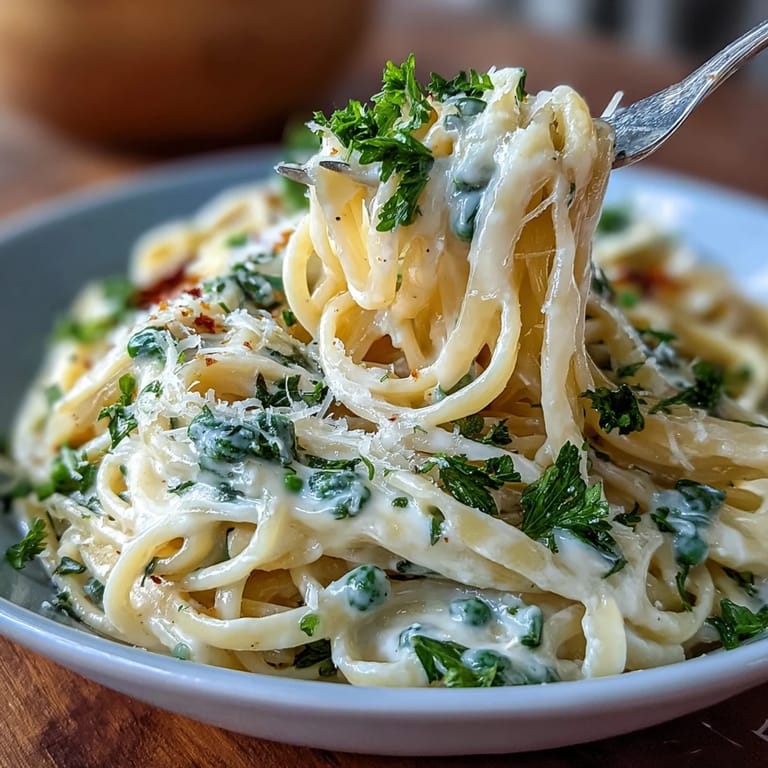
- Transfer your drained pasta to the skillet (save that cooking water first) and begin tossing everything together, adding the reserved pasta water gradually. Watch as the starchy water transforms into a silky coating that clings to each strand.
- Finish with cheese and seasoning:
- Sprinkle in the Parmesan, salt, and pepper, tossing constantly until the cheese melts into the sauce without clumping. Add more pasta water if needed to achieve that creamy, glossy consistency that makes you want seconds.
- Rest and season:
- Remove from heat and stir in the fresh parsley, then taste it. This is your moment to adjust—maybe a pinch more salt, or an extra grind of pepper—because this dish is yours to perfect.
- Serve with generosity:
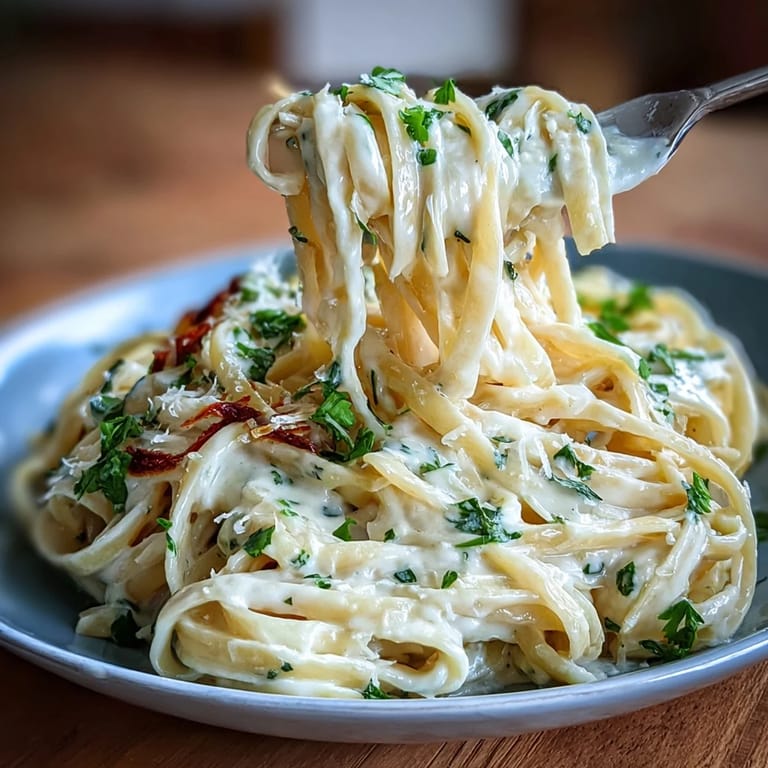
- Plate immediately while it's still steaming, then shower with extra Parmesan and a final crack of black pepper.
 Pin it
 My daughter asked me once why this pasta tasted happy, and I couldn't explain it beyond the fact that sometimes simplicity is its own kind of celebration. Every time I make it now, I think about that question.
Why This Dish Teaches You Something
This recipe is a masterclass in restraint. You're working with maybe six real ingredients, and yet the interplay between the bright lemon, rich butter, and subtle umami from the Parmesan creates something complex. It taught me that in cooking, less often means more—more flavor, more elegance, more satisfaction.
Timing and Temperature Matter More Than You Think
The difference between this being silky and this being a greasy mess comes down to cooking everything at medium heat and pulling it off the flame before the cheese breaks. I learned this the hard way by rushing, but now I respect the gentle pace it requires.
Building Flavor in Layers
Each element adds something—the garlic gives backbone, the lemon brings brightness, the butter smooths everything together, and the Parmesan grounds it all in savory depth. By the time you taste it, you're not eating individual components anymore, you're experiencing a conversation between them.
- Taste as you go, especially when adjusting seasoning—your palate is the real guide here.
- Keep the heat medium so nothing seizes or breaks; patience is the secret ingredient nobody mentions.
- Serve it immediately because this dish is best enjoyed while it still has that silky, just-tossed-together feeling.
 Pin it
 This pasta reminds me that some of the most memorable meals don't require complexity or stress. It's the kind of dish that makes you feel like you have everything under control, even on nights when you don't.
Recipe FAQs
- → Can frozen peas be used instead of fresh?
Yes, frozen peas work well and should be cooked until heated through to retain their sweetness and texture.
- → What type of pasta works best for this dish?
Long pasta like linguine or spaghetti holds the sauce nicely, but any preferred type can be used.
- → How can the sauce be made creamier?
Adding reserved pasta water gradually while tossing creates a silky, creamy consistency without extra cream.
- → Is it possible to make this dish vegan?
Substitute butter with olive oil and Parmesan with a plant-based alternative to keep similar flavors.
- → What herbs complement the lemon-butter sauce?
Fresh parsley is ideal, but basil or chives can also enhance the dish’s freshness.