 Pin it
 My neighbor knocked on my kitchen door one April evening with a bunch of asparagus from her garden and asked if I knew what to do with it. I had salmon thawing and suddenly realized this was the perfect moment to stop overthinking dinner and just let spring ingredients do the talking. Twenty minutes later, the smell of roasted herbs and lemon filled my kitchen, and she stayed to eat. That's when I understood this dish wasn't complicated at all, just honest.
I made this for my partner after a particularly long work week, and watching them relax at the table with a glass of white wine while eating something this elegant shifted something for me. Good food doesn't need hours of fussing; sometimes it just needs attention and fresh things.
Ingredients
- Salmon fillets (4, about 170 g each): Look for wild-caught if you can, and don't be afraid of skin-on fillets because they crisp up beautifully and keep the flesh moist.
- Fresh asparagus (1 bunch, about 450 g): Trim the woody ends by bending each spear until it snaps naturally, which tells you exactly where tender meets tough.
- Fresh dill (2 tablespoons, chopped): This is the herb that makes salmon sing, so don't skip it or substitute it lightly.
- Fresh parsley (2 tablespoons, chopped): The gentle herb that rounds out dill's brightness without competing.
- Fresh chives (1 tablespoon, chopped): A whisper of onion flavor that ties everything together.
- Garlic (2 cloves, minced): Keep your knife sharp because minced garlic cooks more evenly than rough chunks.
- Lemon (1, sliced into rounds plus zest): The acid is what makes this dish come alive, so choose a heavy lemon with thin skin.
- Olive oil (2 tablespoons): Use something you actually like tasting, not the cheapest bottle.
- Sea salt and black pepper: Season in layers rather than all at once at the end.
Tired of Takeout? 🥡
Get 10 meals you can make faster than delivery arrives. Seriously.
One email. No spam. Unsubscribe anytime.
Instructions
- Heat your oven and prepare your stage:
- Preheat to 200°C (400°F) and line your baking sheet with parchment paper so nothing sticks and cleanup is thoughtless. This moment of preparation sets you up to cook without stress.
- Get the asparagus positioned:
- Arrange the trimmed spears in a single layer on one side of the sheet, then drizzle with 1 tablespoon olive oil and scatter salt and pepper over them. Toss gently so each piece gets coated, and they'll roast to tender with slightly crispy tips.
- Settle the salmon down:
- Place fillets skin-side down (if you have skin) on the other side of the sheet, skin facing the heat so it can crisp. Drizzle with the remaining olive oil.
- Build your herb crust:
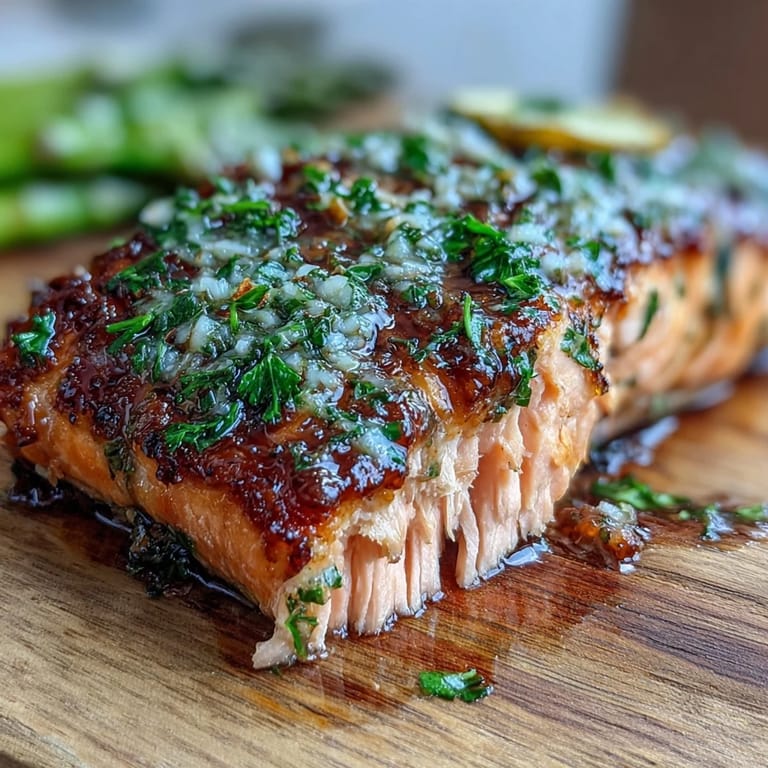
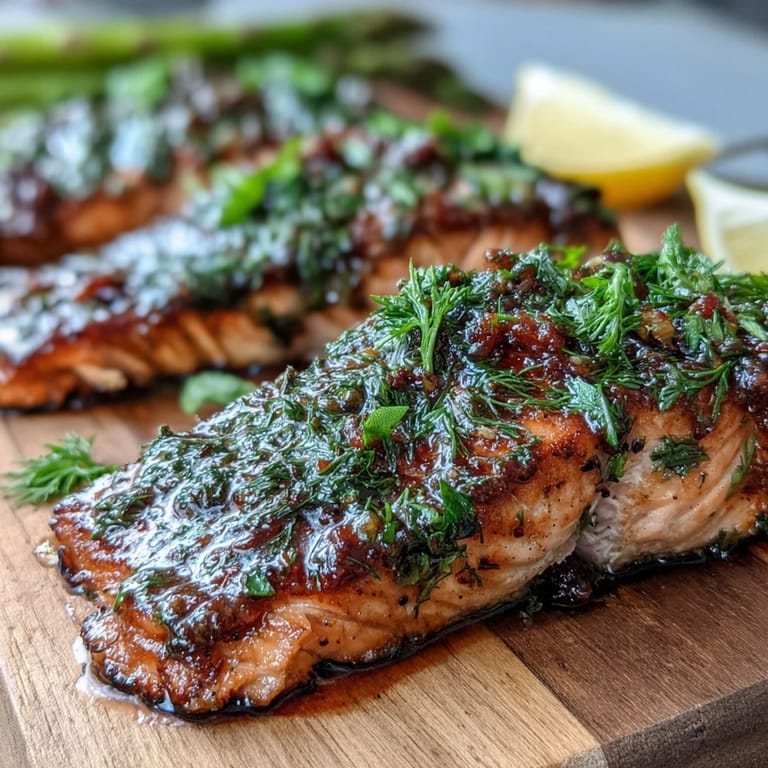
- Mix the dill, parsley, chives, minced garlic, lemon zest, and a small pinch of salt and pepper in a small bowl. The mixture should look textured and green, smelling like spring itself.
- Crown each fillet:
- Press the herb mixture gently onto the top of each salmon fillet so it adheres and will toast as the fish cooks. Top each one with a thin lemon slice, which will soften and release its juice into the fish.
- Roast with confidence:
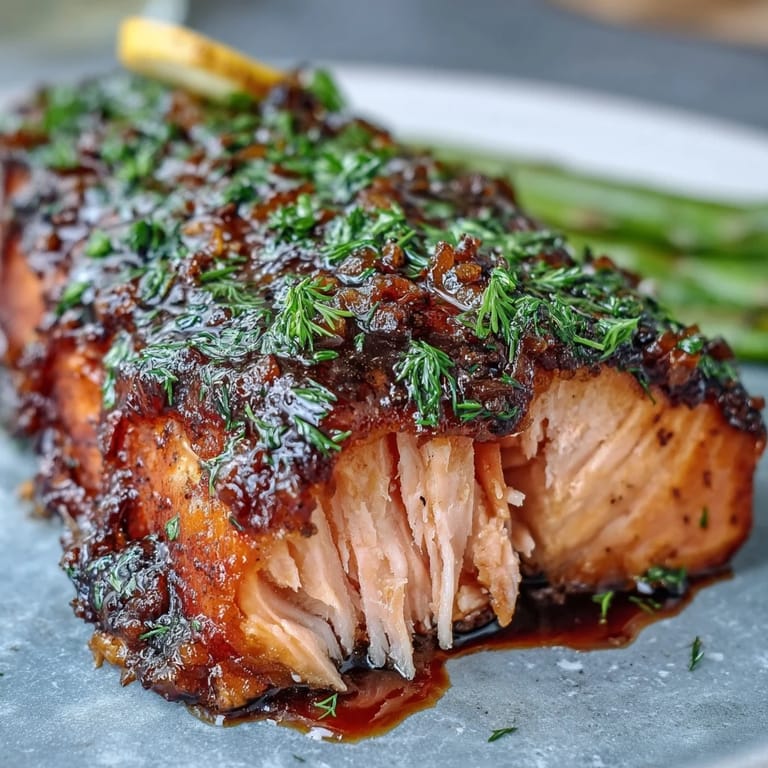
- Slide everything into the oven for 15 to 20 minutes, until the salmon flakes easily when you press it gently with a fork and the asparagus is tender-crisp. The lemon will have caramelized slightly at the edges, and your kitchen will smell like a restaurant.
- Serve while everything is warm:
- Transfer to plates immediately, and if you want, add extra fresh herb garnish and lemon wedges so each person can adjust their own brightness. This is the moment it becomes a meal rather than just cooking.
 Pin it
 The first time someone told me salmon was healthy, I thought it sounded like a chore. Now I make it because the flesh is butter-soft, the herbs make my whole apartment smell alive, and it feels like I'm doing something good while also thoroughly enjoying myself. That's when food stopped feeling like obligation.
Timing and Temperature Matter
I learned the hard way that a 400°F oven is the sweet spot for this dish, and that starting the vegetables a minute earlier than the salmon doesn't hurt. The herbs need enough heat to release their aromatics but not so much that they burn to bitter ash, so watch for that moment when your kitchen smells incredible and pull everything out then.
Flexibility with Herbs and Vegetables
This recipe is genuinely flexible because salmon and lemon are friends with so many herbs. Once I used tarragon instead of dill because it's what I had, and it tasted refined and different but equally lovely. Broccolini and green beans work just as well as asparagus if you want variety or if asparagus season has passed where you live.
Making it Your Own
The base of salmon, fresh herbs, lemon, and roasted vegetables is a framework, not a prison. I've added a pinch of smoked paprika, swapped in fresh basil, and once even used lime instead of lemon when I felt adventurous. The technique stays the same, the flavors shift, and that's the real magic.
- Pair it with a chilled Sauvignon Blanc or Pinot Grigio if you want wine, or simply ice water with lemon.
- Leftover salmon keeps for two days and is wonderful cold on a salad for lunch the next day.
- This meal comes together faster than takeout, and it tastes infinitely better.
 Pin it
 This dish taught me that elegant cooking doesn't require complexity, just respect for good ingredients and a little attention. Make it often, make it your own, and watch how it becomes the meal people ask you to repeat.
Recipe FAQs
- → What type of salmon is best for roasting?
Skin-on or skinless salmon fillets work well; skin-on helps retain moisture during roasting.
- → Can I use other vegetables instead of asparagus?
Yes, broccolini or green beans are great alternatives and roast similarly alongside the salmon.
- → How do the fresh herbs enhance the dish?
The combination of dill, parsley, and chives adds a fresh, bright aromatic layer that complements the salmon's richness.
- → What temperature and time are ideal for roasting?
Roasting at 200°C (400°F) for 15–20 minutes ensures the salmon flakes easily and the asparagus becomes tender.
- → Can I prepare this dish dairy-free?
Yes, this dish uses olive oil and contains no dairy, making it naturally dairy-free.
- → Are substitutions for the fresh herbs possible?
Tarragon or basil can replace dill, parsley, or chives to vary the flavor profile.